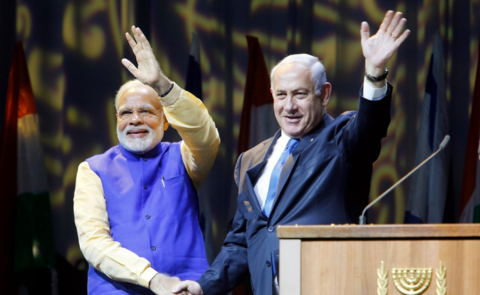
AI generated Economic Times Courtesy: The Economic Times
2 September 2026

China and Economic D-Day vs. Iran

“Economic D-Day”, recently announced by the U.S. Trump administration, will put additional sanctions on any party which facilitates any activity with Iran. India, Iraq, Turkey, and the UAE could be affected. But ironically China, the biggest supporter of Iran’s regime, may be off the hook given the deep mutual over-reliance with the U.S. and the risk that further sanctions on China could put the global financial system in jeopardy.
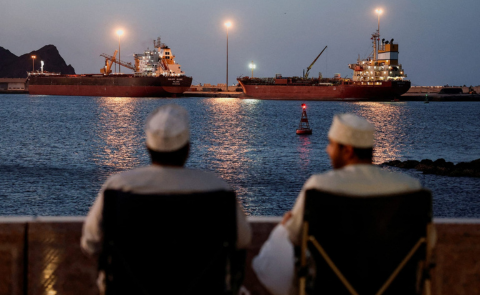
Office of the Pakistani Prime Minister_AFP Courtesy: AFP
27 August 2026

Mecca Accord and India’s energy security

The Mecca Accord between Saudi Arabia, Turkiye and Pakistan has raised some red flags in the region, and in India. One element remains unchanged: India’s value to Riyadh as an energy importer. With demand security holding more weight than supply security in an uncertain future, a major and growing oil importer like India is more important than the cash-for-security arrangement the Kingdom has signed with Pakistan.

sabrang india (1) Courtesy: Council on Foreign Relations
23 July 2026

India should re-examine its energy investment

The absence of panic in the energy markets despite the renewed U.S.-Iran fighting indicates a well-supplied oil market in the longer term. That means stability for energy short countries like India in the long term. In the short term, however, India will be impacted by other disruptions, such as the increased use of sanctions.

the jerusalem post Courtesy: The Jerusalem Post
16 July 2026

The gulf in the Gulf

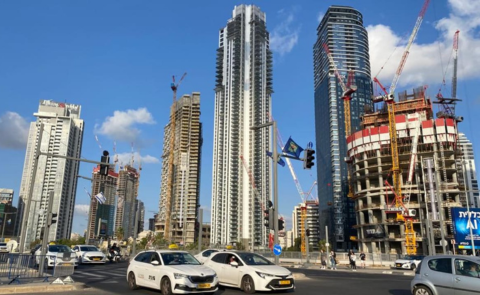
The ongoing conflict in the Gulf has created tremendous change. Israel is deeply scarred by the October 7 attacks. Iran retains the ability to go nuclear despite U.S.-Israel attacks. China’s assistance to Iran through intelligence and the supply of parts and chemicals for missiles has been noticed. New formations of countries - either interlocutors, participants or victims of the war – are generating an alphabet soup of influencers.

Website articles  (3) Courtesy: Gateway House
9 July 2026

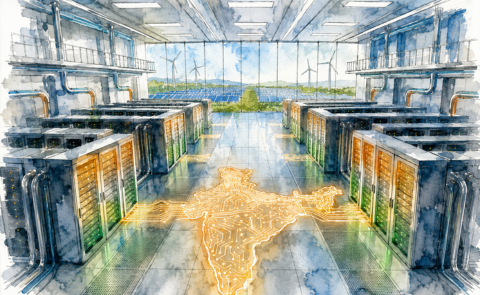
The missing pillar of India’s sovereign AI

India’s sovereign AI strategy prioritises chips, compute, data, models, and talent, but overlooks a critical pillar: energy security. As AI-driven electricity demand surges globally and the IndiaAI Mission rapidly expands computing capacity, reliable power is becoming a defining constraint on AI ambitions. Energy security must therefore be recognised as a core pillar of India’s sovereign AI strategy, not merely as supporting infrastructure.

Kenny Holston  AP (3) Courtesy: Business Post
11 June 2026

AI and its spin-off gains

The AI industry in the U.S. is on a high, with three major upcoming public offerings on the table from Anthropic, Open AI and Space X hogging the attention and news. But users are increasingly concerned about costs, and developers are rushing to raise capital. When the effervescence abates, a reduced appetite for AI stocks may eventually see investors return to emerging markets. Can India benefit?

Kenny Holston  AP Courtesy: Kenny Holston / AP
4 June 2026

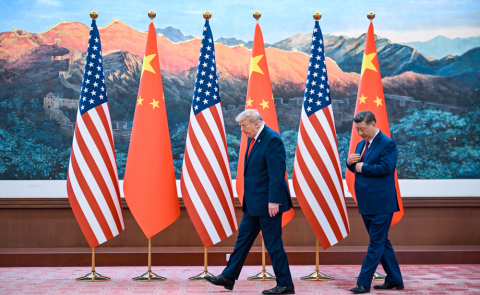
China trumps the U.S.?

President Donald Trump’s May 13-15 visit to China was set against the backdrop of the ongoing U.S.-Israel-Iran conflict. Though the agenda was an economic one, Beijing used the occasion to project itself as a stabilising power, urging dialogue between Washington and Tehran. The visit did produce agreements on trade and investment, but the absence of a joint statement and differing priorities exposed persistent tensions. In this tale of two visits, China seems to have trumped the U.S.

20260415_1714_Minimalist Iran Conflict Illustration_remix_01kp8f9nksftqrj3zntfnpktpe Courtesy: Gateway House
15 April 2026

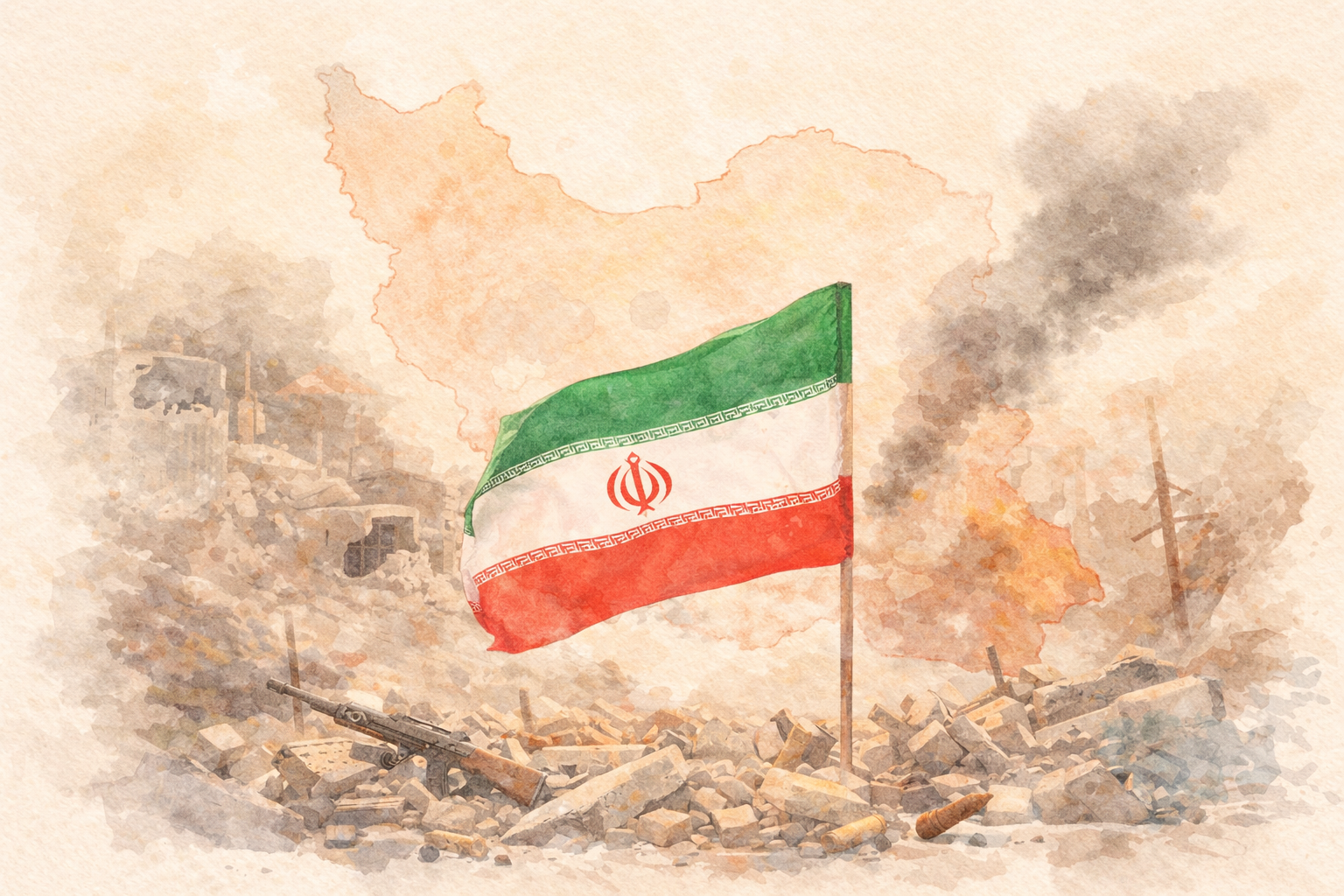
How did Iran fight this war?

The West Asian conflict is raising questions about Iran’s performance. Tehran appeared well-prepared, having expanded its low-cost drone and missile capabilities. It also widened the conflict by targeting U.S. bases in the Gulf. The key lesson is that eliminating leadership does not guarantee regime change. The conflict underscores that modern warfare depends not just on battlefield gains, but also on economic resilience, trade leverage, and technological strength.

Website articles  (76) Courtesy: X/ @bdbnp78
15 April 2026

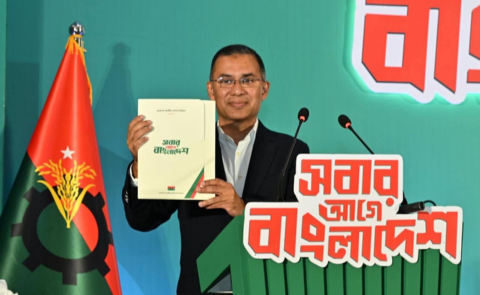
Bangladesh’s bumpy road ahead

Bangladesh’s new government has been in power for two months now, and the challenges are immense. Yet Prime Minister Tarique Rahman is trying to balance a plethora of issues: energy shortages, an under-performing economy, a major constitutional reform, addressing corruption and introducing transparency and accountability – all the while putting “Bangladesh First.”

rk (3) Courtesy: Gateway House
9 April 2026

Unfolding Geopolitics Episode 30 | The future of Persian Gulf oil flows

Following the U.S.–Iran ceasefire and partial reopening of the Strait of Hormuz, energy flows may resume, but uncertainty persists. Robin Mills, CEO of Qamar Energy, and Amit Bhandari, Senior Fellow on Energy, Investments and Connectivity, Gateway House, note that Iran will retain leverage and will continue influencing prices and supply chains. Natural gas shortages will further disrupt fertiliser production and fuel inflation world-wide.