Twitter_@DrSJaishankar Courtesy: Twitter/@DrSJaishankar
12 August 2026

India bids for UNSC

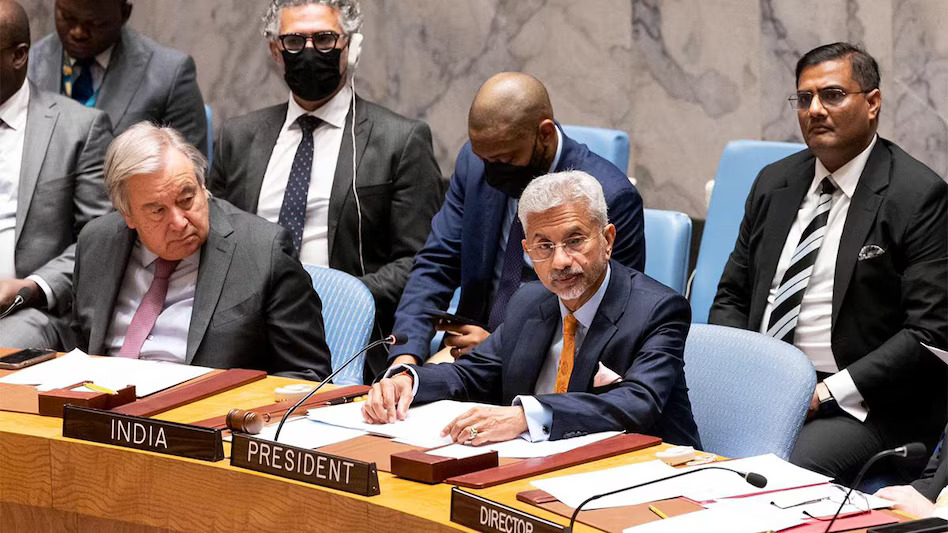
India has officially launched its campaign for a non-permanent seat on the UNSC for 2028-29. This will be India’s ninth time on the UNSC. The election is strict and process-driven. The campaign has been launched well in time to ensure election with the highest possible number of votes to signal global acceptance of India, now the world’s most populous country, as a permanent member of the UNSC.
rawlines Courtesy: Gateway House
6 August 2026

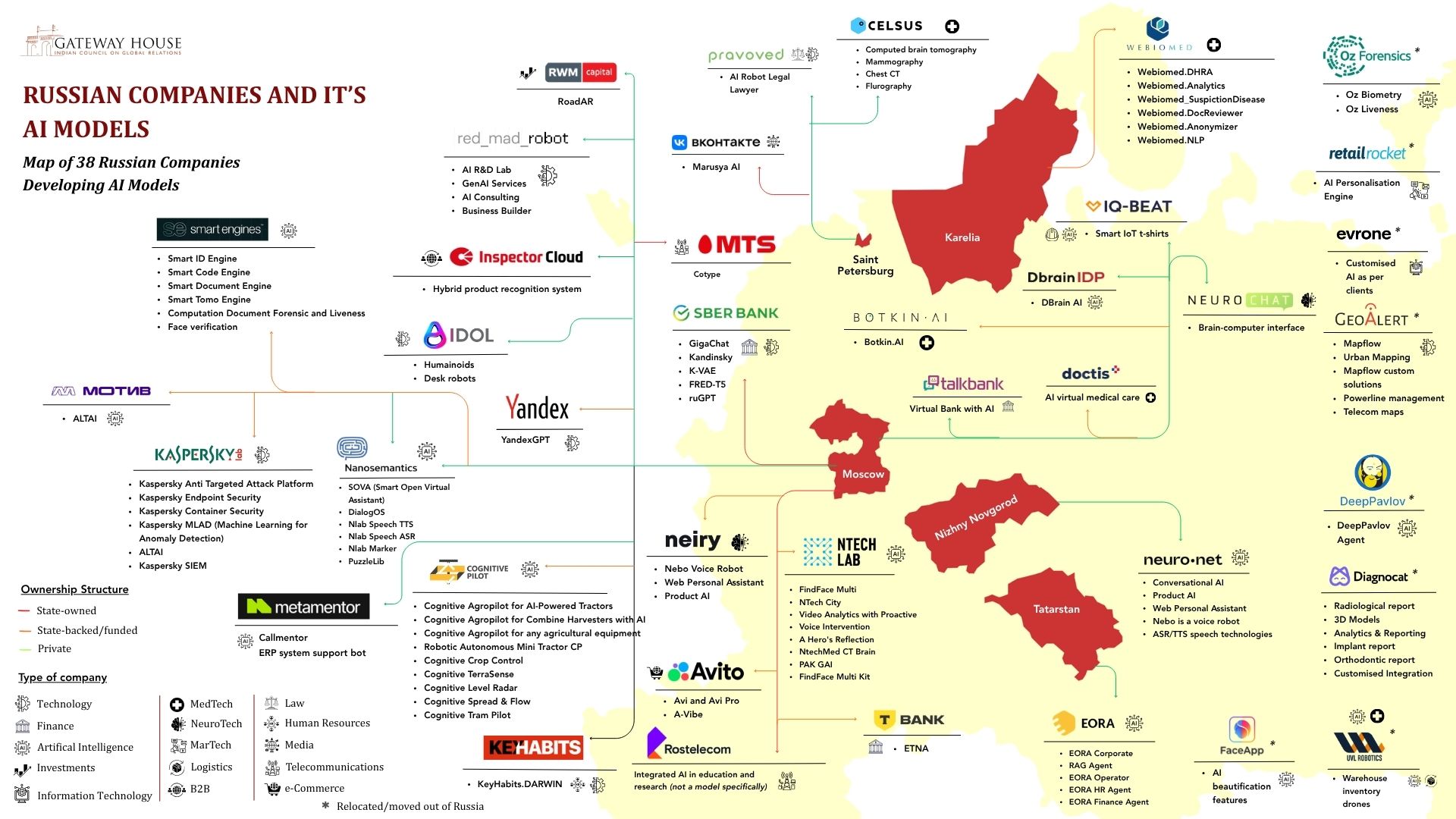
The Kremlin: AI ecosystem architect

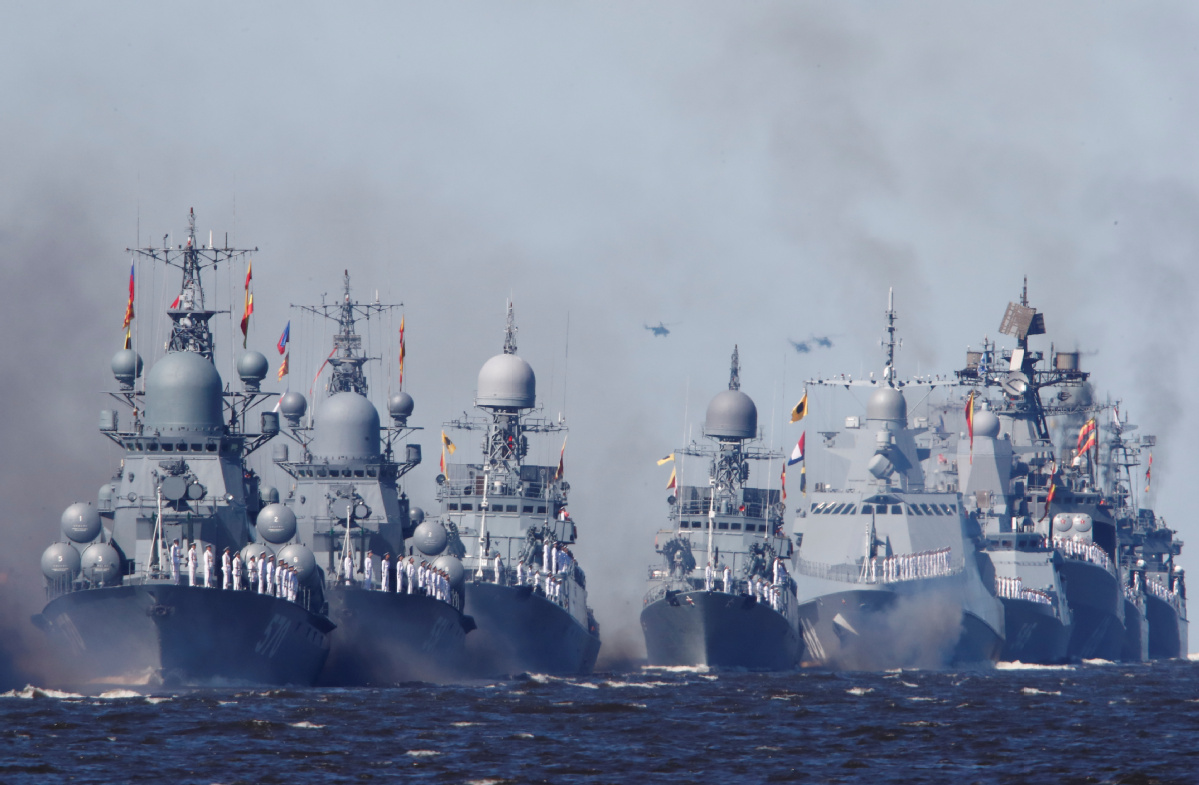
At the St. Petersburg International Economic Forum in June, President Vladimir Putin reiterated that Russia is building a sovereign AI ecosystem. Despite Western sanctions and the brain drain following the Ukraine war, Moscow continues to support AI startups and SMEs through state-backed funding. There are 38 Russian AI companies, and it is worth analysing their backgrounds, classifications, and the links between them and the Russian state.

UNSC Elections Courtesy: Manuel Elías
6 August 2026

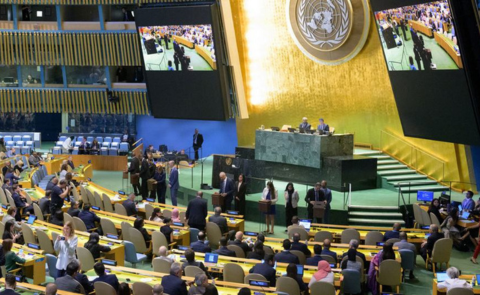
The UN changes guard

The process of choosing a new Secretary General of the UN, to assume office on January 1, 2027, has begun. The UN Security Council is central to this and has just held its first straw poll on the seven candidates in the fray. Three have done well – all from countries with positive ties to the current U.S. administration. India must keep a close eye on the developments.

IPEF Courtesy:
5 December 2024

 IPEF’s clean economy opportunities

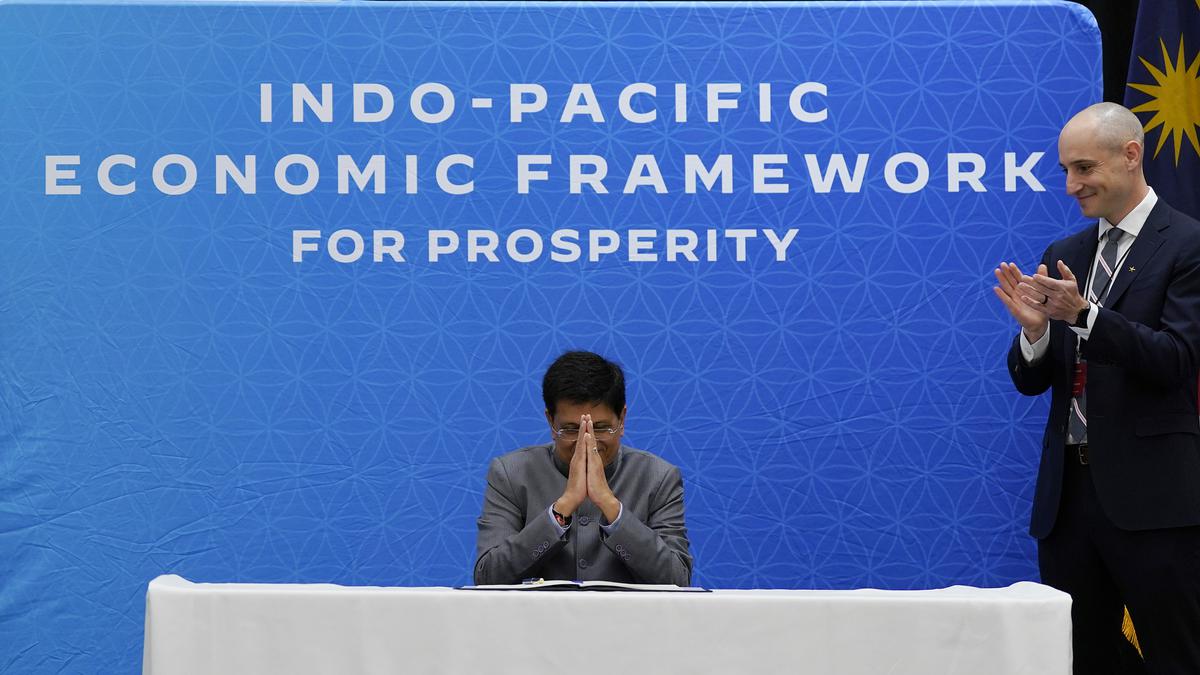
The Indo-Pacific Economic Framework for Prosperity (IPEF)’s Clean Economy Agreement is unique in that it offers multiple benefits for investment, capacity-building and standards-setting, all while pursuing a clean economy agenda, voluntarily. India has already seen success in this area and is a hopeful example for others in the Indo-Pacific.

Screenshot 2024-10-10 132648 Courtesy:
10 October 2024

Protectionism and Rising Challenges to Ensuring the Developing World’s Priorities in the G20 Agenda

The breakdown of the Doha negotiations at the World Trade Organization and ongoing wars in Ukraine and West Asia have led to rising protectionism, which disproportionately affects developing countries. This policy brief recommends how the G20, representing nearly 75% of international trade, can leverage its position to advance a non-discriminatory, sustainable, and transparent multilateral trading system for low and middle-income countries.

ITU DDF Courtesy:
9 July 2024

Convening to advance digital tools for development

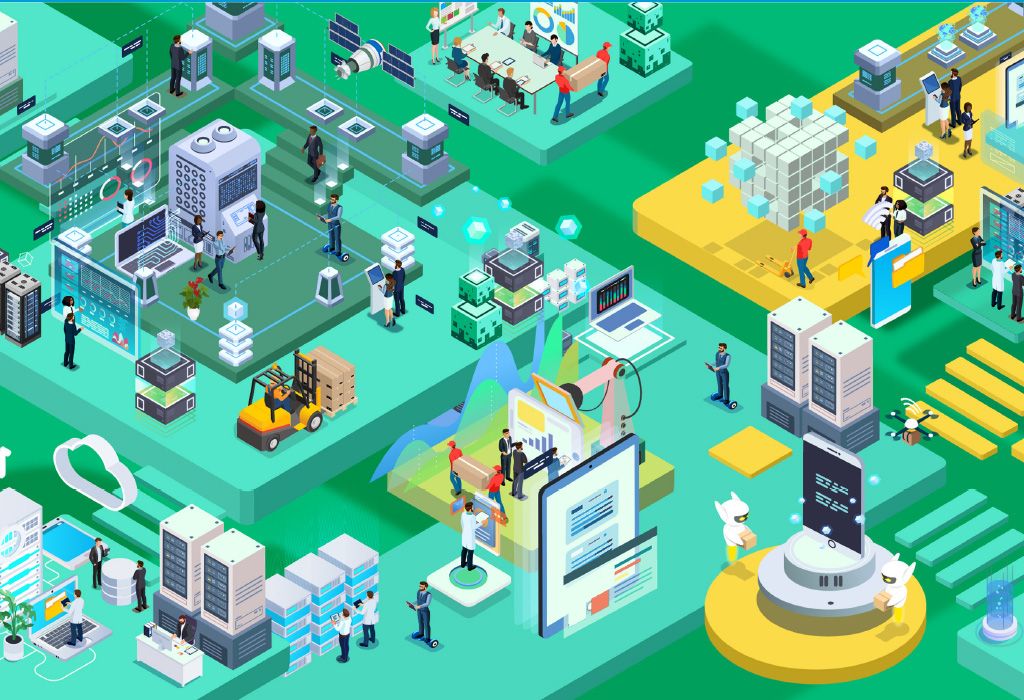
Digital ecosystems, their evolution and regulation was the focus of USAID’s annual conference on global digital development. For Global South actors, the conference offered suggestions on addressing climate impact, disinformation, and building resilient digital infrastructure.

future for a rules-based order Courtesy: The United Nations
11 April 2024

A future for the rules-based order

The international rules-based order is being looked at critically by several countries, especially in the developing world. Many view it as embedding an entrenched bias in favour of the West, which wrote the rules, and with no room to accommodate the innovative ideas of emerging economies. Of late, these developing countries are increasingly the catalysts for change.

20230309265L Courtesy: The Hindu
28 March 2024

All eyes on the Indian Ocean region

During his visit to New Delhi this week, Australia's navy chief highlighted the need for greater maritime cooperation on security issues in the Indo-Pacific. While India is aware of its growing role in maintaining a free, open and inclusive Indo-Pacific, it must also convey to its partners that on matters of security, it prioritises dangers closer to home in its Indian Ocean neighbourhood.

c-vladivostok Courtesy: Sputnik India
8 February 2024

Reviving the Chennai-Vladivostok Corridor

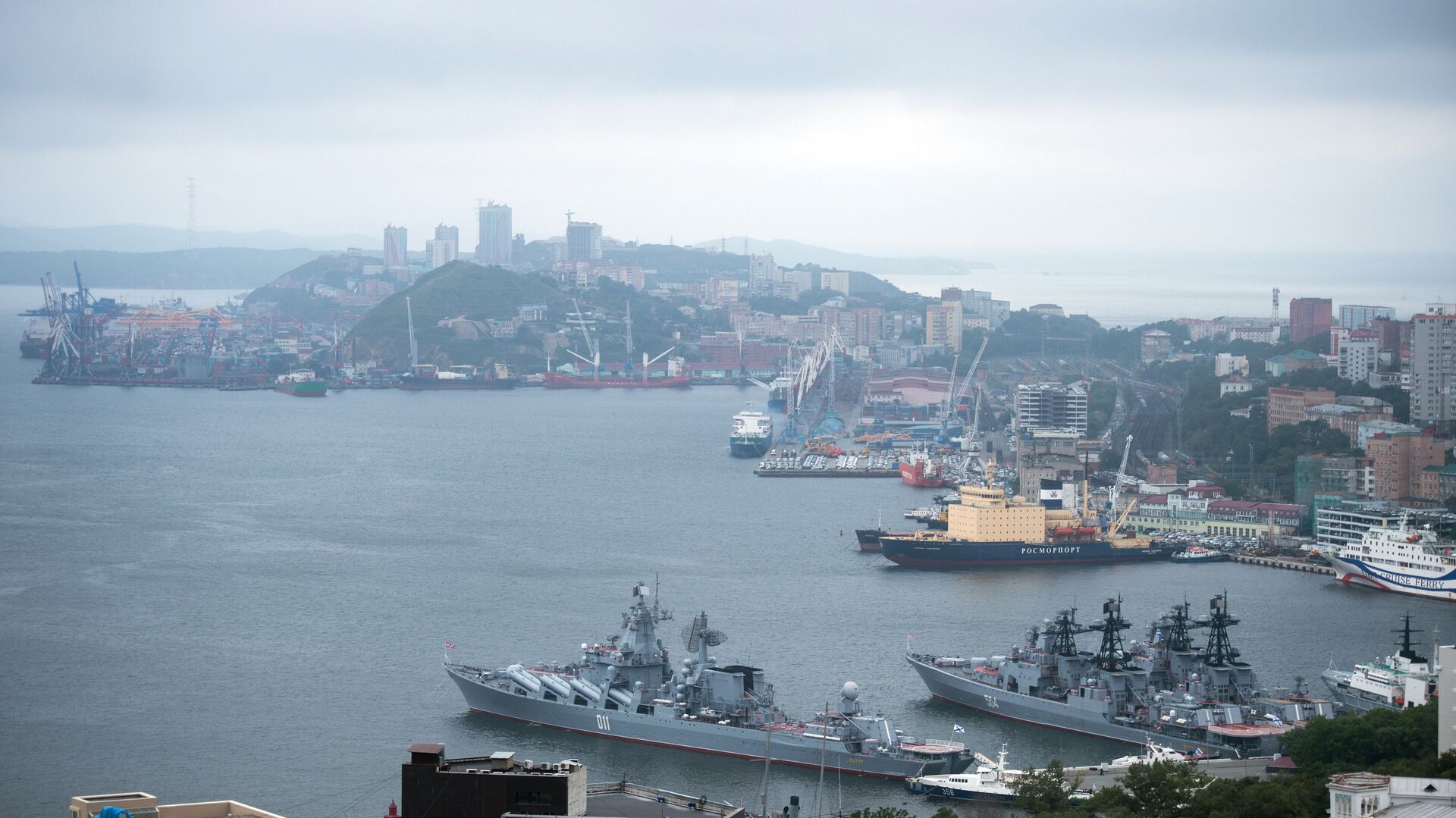
Tensions in West Asia have disrupted global shipping and revived interest in the Chennai-Vladivostok Eastern Maritime Corridor. Better freight and passenger connectivity between Southern India and Russia’s Far East will open new areas for bilateral cooperation such as the export of machinery, auto parts and engineering goods from India, and progressively integrate the economies of the two countries.