Website articles  - 2026-11-26T145036.821 Courtesy: MEA India
26 November 2026

The Quad summit in Manila

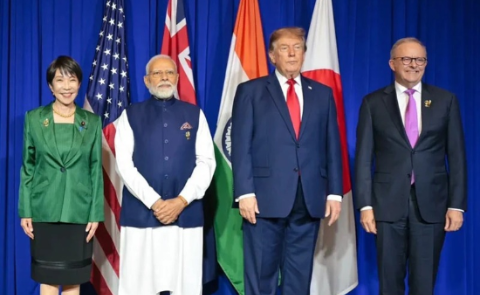
The 7th Quad Leaders’ Summit was held in Manila on November 12, the first attended by President Donald Trump in his second term. Washington’s participation reflected its need for diplomatic outreach in Asia, Marco Rubio’s efforts to secure the summit, and its timing ahead of Trump’s meetings with Chinese and Russian leaders. The Quad’s success will now depend on implementing its six-point plan and ensuring regular annual summits.
Quad _ Ministry of Foreign Affairs, Japan Courtesy: Ministry of Foreign Affairs of Japan
16 November 2026

The Quad’s fluctuating momentum

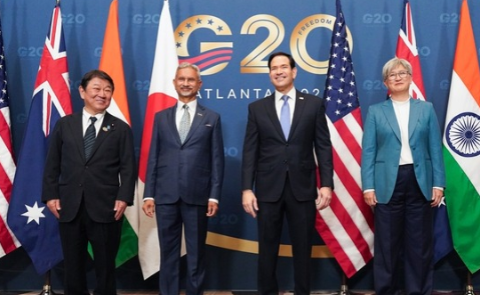
The Quad Leaders’ Summit took place in Manila on November 17, on the sidelines of ASEAN. This meeting carried more weight than the ones prior. It was the first for U.S. President Donald Trump, and apart from Japan, the other three Quad countries have relatively cordial ties with China. Of late, the Quad has been long on announcements and short on delivery. Staying true to its core concerns is now key.

Sizzling season of summits Courtesy: Gateway House
16 November 2026

A sizzling season of summits

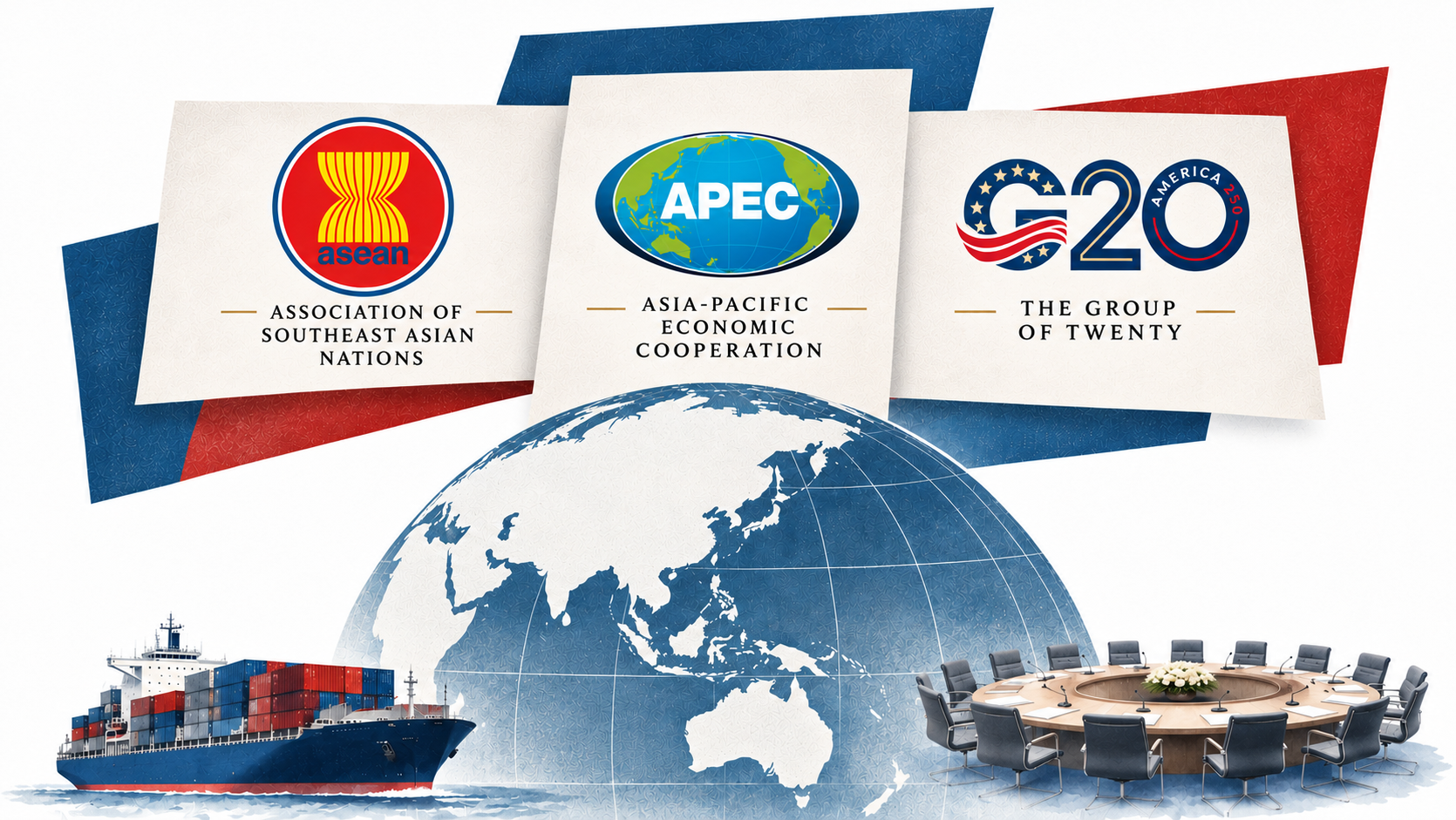
The next four weeks – from November 16 to December 15 – will witness a number of important summits of the leaders of three major plurilaterals: ASEAN in Manila, APEC in Shenzhen and the G20 in Miami. Their outcomes – as also those of the key side meetings that will be held by the various heads of state – will surely shape the world in 2027.

India-ASEAN Courtesy: Gateway House
26 October 2026

India and ASEAN get new momentum

As Prime Minister Modi heads to the ASEAN and East Asia Summits in Manila, India-ASEAN cooperation has gained fresh momentum in 2026, the Year of Maritime Cooperation. Joint naval exercises, new subsea cables linking India to Southeast Asian hubs, and growing information-sharing are turning geography into a practical partnership. The real test, however, is trade, where the review of the India-ASEAN FTA remains unfinished.

Reuters Courtesy: Reuters
27 November 2025

Japan and China row over Taiwan

China’s attempt to discipline Japan over Japanese Prime Minister Takaichi’s statement on a Chinese attack on Taiwan threatening Japan’s security, may instead strengthen the very alliances Beijing hoped to fracture. By using symbolic economic instruments, invoking the UNSC, and amplifying nationalist messaging while avoiding mass public mobilisation, China signals displeasure without risking internal instability. Yet these same measures push Japan ever deeper into U.S.-aligned networks.

Kyodo News (1) Courtesy: Kyodo News
20 November 2025

Sanae Takaichi’s strong start

The rise of Sanae Takaichi, Japan’s first female prime minister with firm conservative credentials, carries both symbolic weight and political controversy. Her early decisions suggest clarity of intention but also highlight the structural weaknesses and diplomatic sensitivities that will shape her tenure. To keep her ratings high, she has to stabilise her minority government at home, and manage the China, U.S. and ASEAN relationships with tact.

Website articles Courtesy: Warung Pintar
6 November 2025

Jakarta’s bet on India’s digital playbook

The currents shaping the relationship between the Indo-Pacific’s two largest democracies are not trade winds but terabits flowing through fiber-optic cables and the instant signals of digital payments. Jakarta and New Delhi are forging a landmark digital alliance—one that goes beyond technology. At the heart of this digital handshake lies the plan to link Indonesia’s BI-Fast with India’s Unified Payments Interface.

Website articles  (2) Courtesy: Atlantic Council
6 November 2025

Trump’s Asia tour redefines China approach

U.S. President Donald Trump embarked on a five-day trip to Asia, arriving in Kuala Lumpur on October 26. Covering Malaysia, Japan, and South Korea, the visit marked a shift in focus from the Ukraine and Gaza conflicts to Southeast and East Asia, as his administration is set to finalise its China policy and Indo-Pacific strategy. The trip yielded important results, though their impact will take time to assess.

EU's India Strategy Courtesy: Reuters
30 October 2025

EU’s new India strategy

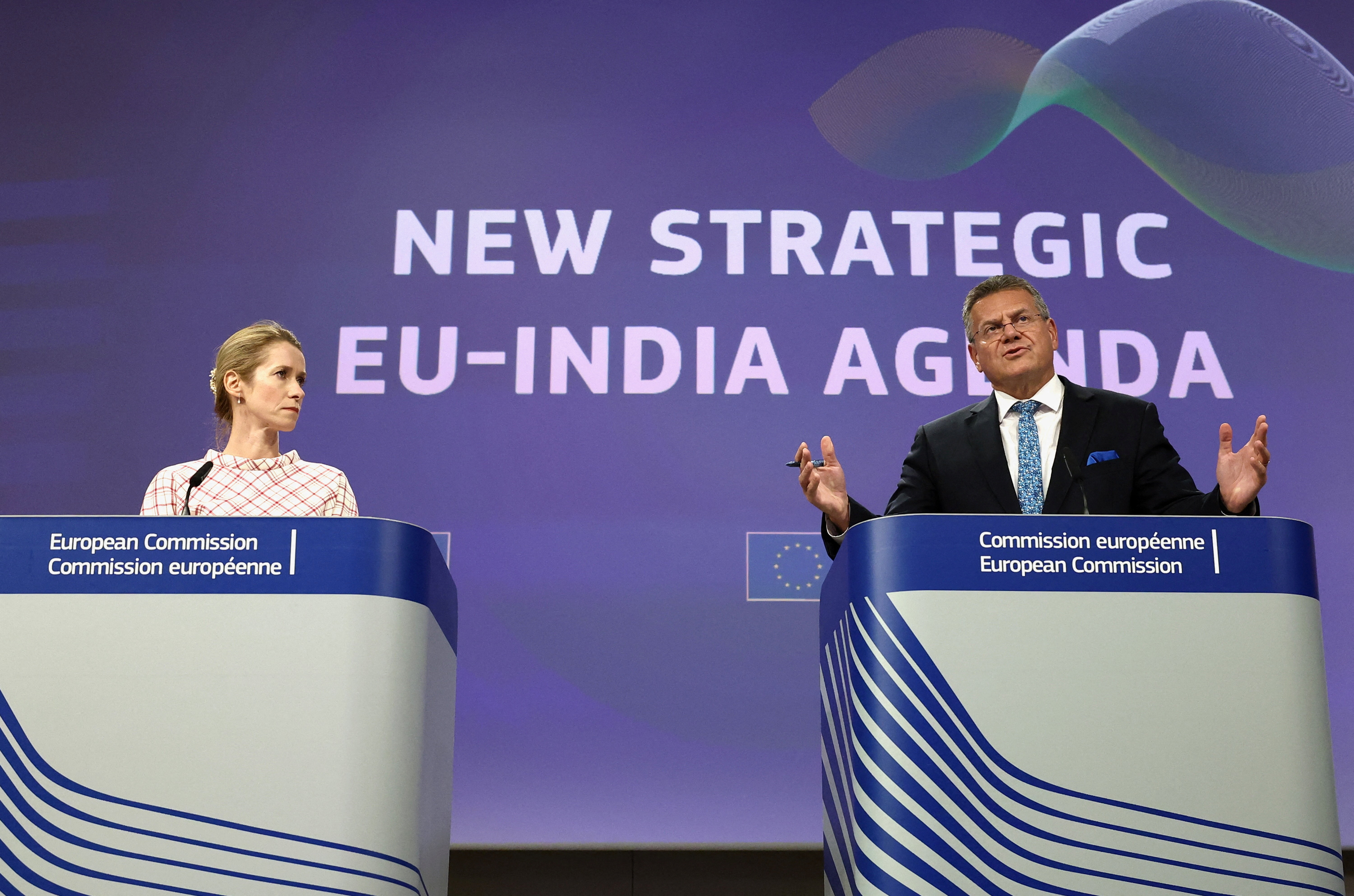
Despite over a decade of negotiations, the EU-India FTA remains stalled. The New Strategic EU–India Agenda released in October 2025 seeks to elevate ties, positioning India as central to Europe’s multipolar vision. Yet contradictions persist: Europe’s normative approach and India’s multi-alignment strategy diverge. Connectivity and infrastructure remain conceptual. Now, success depends on the EU’s ability to match rhetoric with resources, flexibility, and strategic patience. 

Koerber Stiftung (5) Courtesy: AFP
23 October 2025

India and Indonesia guide Southern Consensus

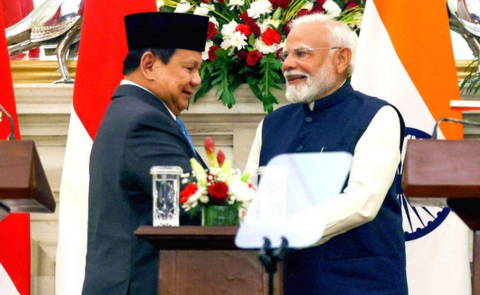
India and Indonesia sit at the heart of the Indo-Pacific, and participate  in multiple global and regional frameworks that ensure developing countries remain part of governance debates. The two countries can use these platforms to craft a southern consensus, a framework for cooperation that prioritises resilience, equality and cooperation over competition and coercion. This can reduce vulnerabilities among developing countries and strengthen them against future disruptions.