REUTERSFrancis Mascarenhas Courtesy: Gateway House
12 November 2026

India’s strategic future

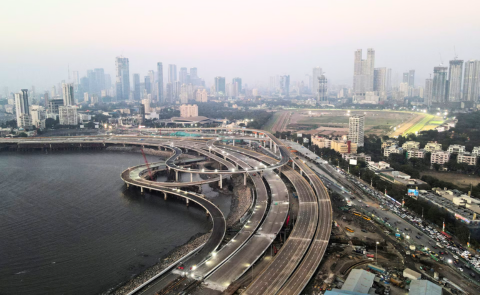
As global growth slows and geopolitical uncertainty rises, India has an opportunity to strengthen the foundations of its next phase of development. This requires three strategic priorities: diversifying trade pathways, securing access to critical commodities, and building reliable energy and technology capabilities. How effectively India advances these priorities will shape its ability to contribute to and influence the emerging global order in the decades ahead.
TTTW_2026_cover Courtesy: On Think Tanks
5 November 2026

Top 55 Think Tanks In the World

Gateway House has been named among the top 55 organisations in On Think Tanks’ Think Tanks to Watch 2026, announced on November 4. The peer-recognition initiative highlights noteworthy practices and contributions across the global think tank community. This recognition reflects Gateway House’s sustained research and scholarship, its ability to produce and disseminate rigorous research and ideas, stimulate public debate on India’s foreign policy choices, and develop international partnerships.

Democracydeficit Courtesy: Gateway House
5 November 2026

Project Europe: Survival means setting aside talk of populism

Europe needs to set aside talk of populism because it becomes an obstacle in evaluating what's at stake. In a conversation with Dr Huricihan Islamoglu of Bogazici University, she notes that Europe's competitiveness requires states fashioned or refashioned as sovereign economic actors. A big problem these states will face is unemployment, with technological transformation displacing jobs, alongside a loss of a global prime market for goods and destination status.

PM Lula Courtesy: Reuters / Ueslei Marcelino
29 October 2026

Be Dynamic, Be Like Brazil

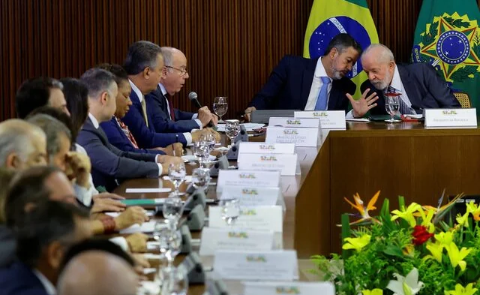
Brazil’s October 25, 2026, elections witnessed President Lula win a fourth term, at a crucial time when Brasília is navigating a fragmenting global trade order. In this chapter of the KEMP Report 2026, Foreign Trade Secretary Tatiana Prazeres explores Brazil’s dual-track approach: expanding bilateral and plurilateral trade agreements while supporting multilateral trade reform. Brazil demonstrates how middle powers can strengthen resilience and preserve strategic flexibility.

India-ASEAN Courtesy: Gateway House
26 October 2026

India and ASEAN get new momentum

As Prime Minister Modi heads to the ASEAN and East Asia Summits in Manila, India-ASEAN cooperation has gained fresh momentum in 2026, the Year of Maritime Cooperation. Joint naval exercises, new subsea cables linking India to Southeast Asian hubs, and growing information-sharing are turning geography into a practical partnership. The real test, however, is trade, where the review of the India-ASEAN FTA remains unfinished.

Website articles  - 2026-10-19T163747.168 Courtesy: Gateway House
19 October 2026

Jaishankar’s outreach in Africa

The visit of Indian External Affairs Minister S. Jaishankar to three African countries – Ghana, Côte d’Ivoire and Ethiopia – from October 6 to 10 was an important step in imparting fresh momentum to bilateral relations with these countries. It also drew public attention to the imperative of continuing the multi-dimensional partnership between India and Africa.

Department of International Relations and Cooperation, SA (dirco) Courtesy: Department of International Relations and Cooperation, SA (DIRCO)
24 September 2026

Assessing South Africa’s G20 Presidency

The U.S. will host the 2026 G20 Summit on December 14-15, but South Africa is not invited – a departure from G20 norms and a rebuff to Africa, the Global South, and the G20 itself. Its historic term as the first African presidency in 2025 ended on a mixed note: despite a successful summit, tensions with the U.S. and fears of retreat from Global South priorities left a mark.

Mecca Accord Courtesy: Gateway House
23 September 2026

Essay: Mecca Accord re-engineers regional security?

The sustainability of the Mecca Accord is determined by its response to three geopolitical challenges represented by India, Iran, and Israel. The India test centres on preventing the export of South Asian conflicts to the Gulf, the Iranian test rests on institutionalising sustainable deterrence beyond formulas of perpetual clash, and the Israeli axis tests the mechanisms for reshaping Saudi ties with American security and the future of regional normalisation.

BRICS 2026 Summit Courtesy: Reuters / Yonhap News Agency
17 September 2026

BRICS after the New Delhi Summit

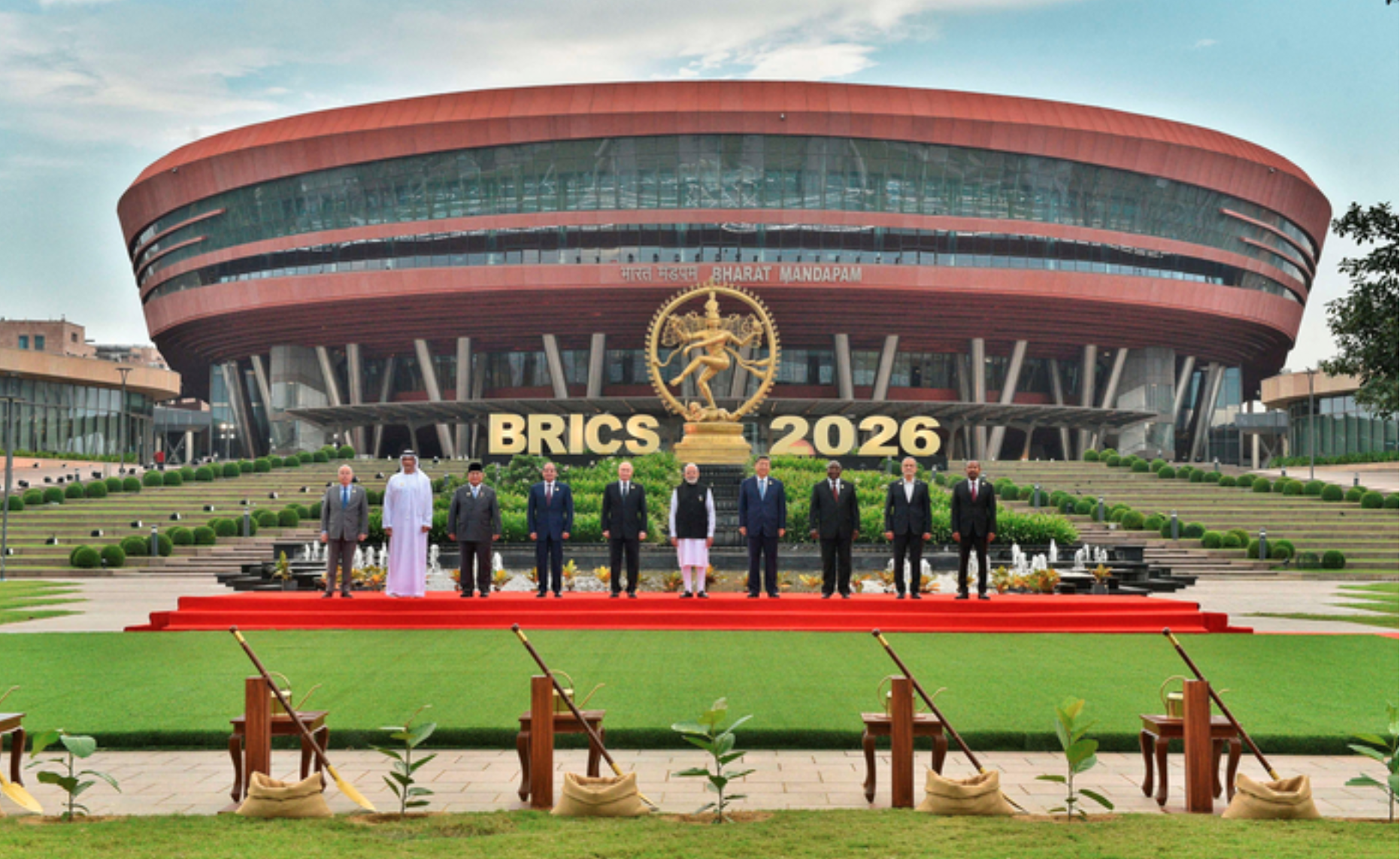
The recent BRICS Summit in New Delhi was declared a success. Its 140-paragraph New Delhi Declaration is the longest yet. With members divided over the Russia-Ukraine and West Asia wars, leaders avoided naming countries or taking positions, focusing on issues affecting the Global South and deepening intra-BRICS cooperation. India steered the grouping towards practical cooperation. The question now is: how will BRICS implement the decisions taken?

South China Morning Post Courtesy: South China Morning Post
17 September 2026

Modi-Xi: Balancing, Not Reset

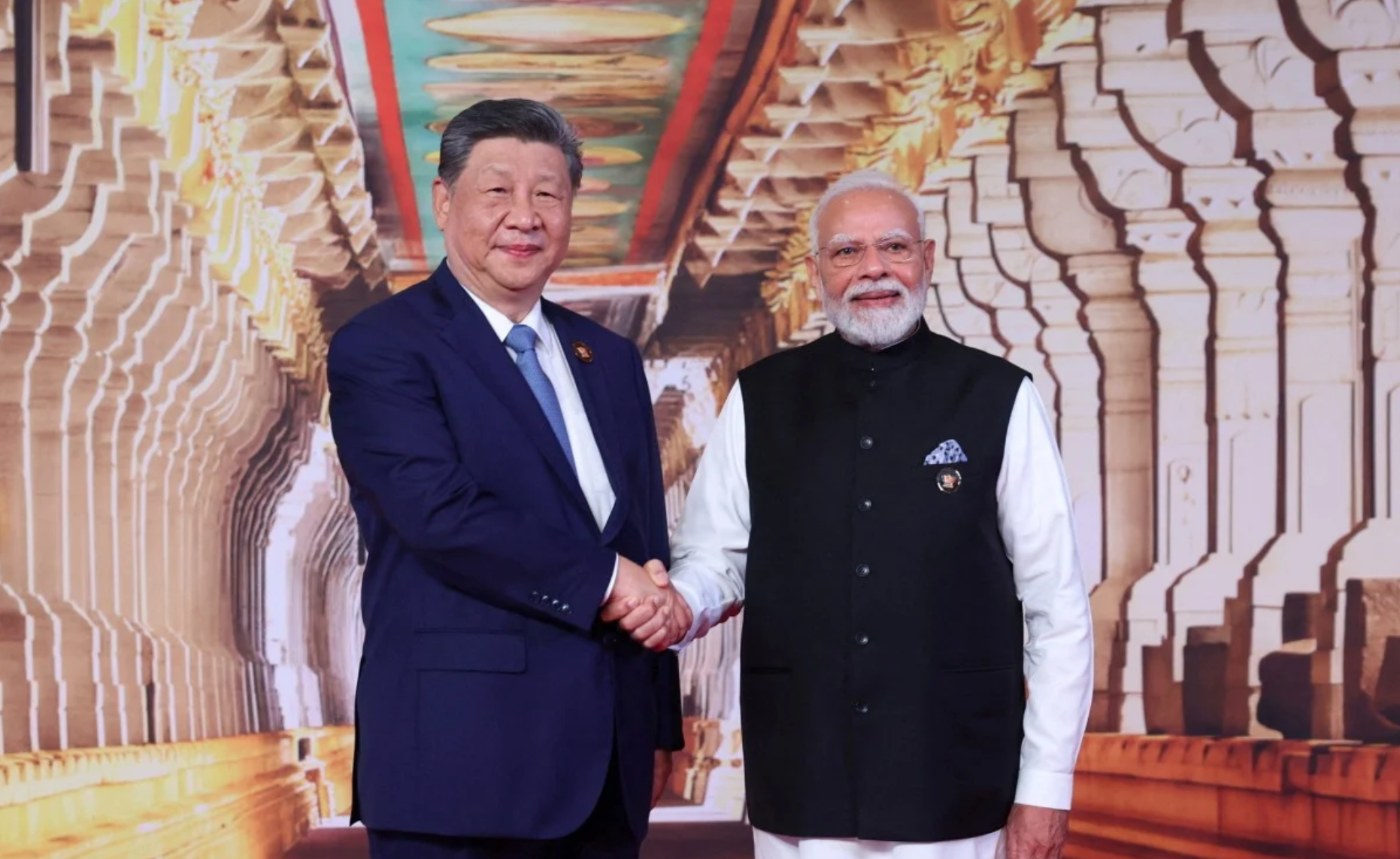
In less than 60 days, India and China held four major bilateral dialogues, all targeted at finding a solution to the boundary issue whilst maintaining peace on the border. In August, they held diplomatic level talks, followed by discussions between the Special Representatives, culminating in a first-of-its-kind Corps Commander-level flag meeting in early September. Finally came the bilateral meeting between PM Narendra Modi and Chinese President Xi Jinping.