Office of the Pakistani Prime Minister_AFP Courtesy: AFP
27 August 2026

Mecca Accord and India’s energy security

The Mecca Accord between Saudi Arabia, Turkiye and Pakistan has raised some red flags in the region, and in India. One element remains unchanged: India’s value to Riyadh as an energy importer. With demand security holding more weight than supply security in an uncertain future, a major and growing oil importer like India is more important than the cash-for-security arrangement the Kingdom has signed with Pakistan.

Website articles  (11) Courtesy: ASEAN
30 July 2026

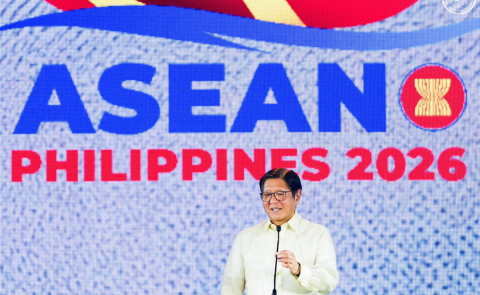
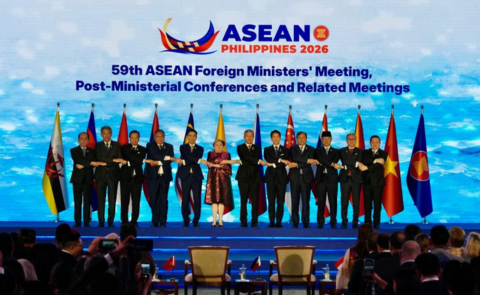
ASEAN centrality on display in Manila

The Manila meetings of ASEAN, held amid continuing crises in Ukraine and West Asia, have demonstrated that ASEAN centrality has not gone out of fashion. Neither the U.S. nor China, despite scepticism about ASEAN's effectiveness, wishes ASEAN institutions to disappear. India, Russia, Japan, Australia, the EU and the UK likewise continue to use these meetings as valuable platforms for Indo-Pacific engagement.

outlook business Courtesy: Outlook Business
9 July 2026

India-Japan Economic Security Pillar

The legacy of the Modi-Takaichi Summit will extend well beyond the bilateral. It demonstrates that middle powers, through responsible and sustained action, are capable of shaping the future of the Indo-Pacific through strategic intent and the resilient economic networks that back it up to promote regional stability. For India and Japan, economic security is the foundation upon which the next generation of the bilateral will be built.

Website articles  (79) Courtesy: @DrJaishankar/X
23 April 2026

Korea re-engages India

South Korea and India have much in common – both are Indo-Pacific players, oil importers and business-oriented economies. Yet, despite the ubiquitious and successful presence of Korean companies in India’s markets, the political relationship has been weak, and underperformed. The recent state visit by South Korean President Lee Jae-myung to India along with a slew of economic and strategic agreements signed, is an effort to recalibrate the relationship.

rk (3) Courtesy: Gateway House
9 April 2026

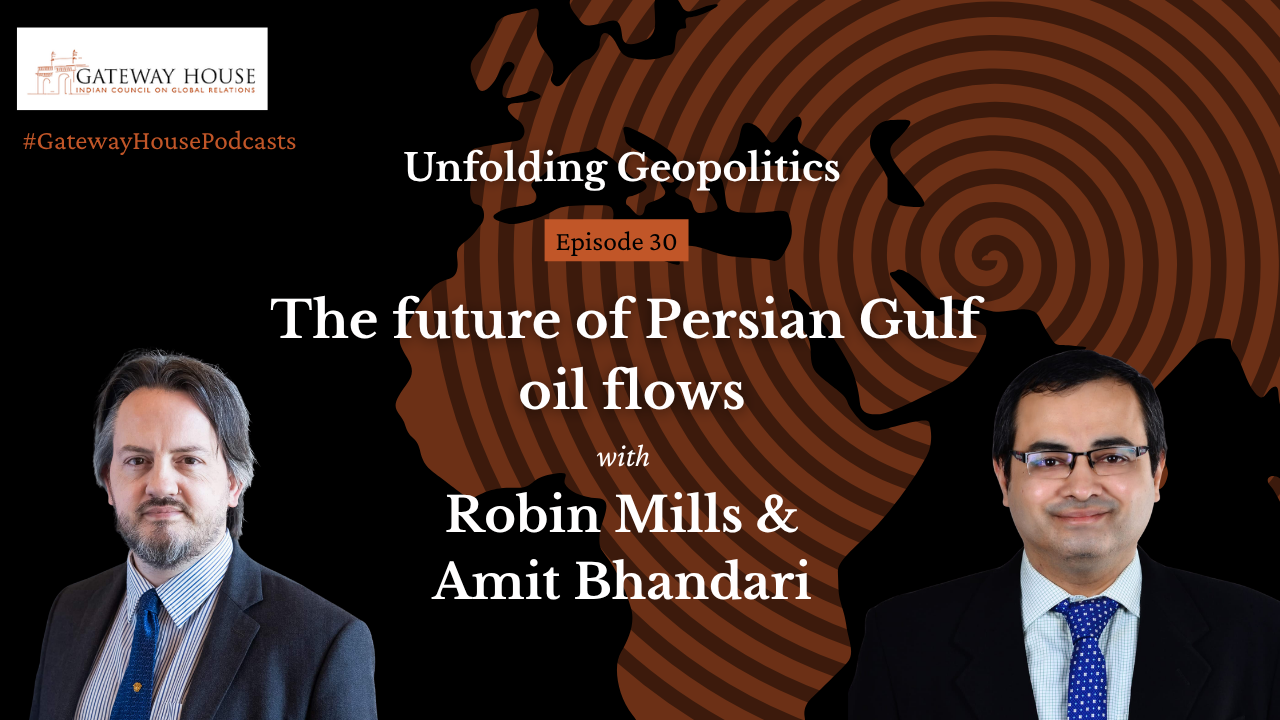
Unfolding Geopolitics Episode 30 | The future of Persian Gulf oil flows

Following the U.S.–Iran ceasefire and partial reopening of the Strait of Hormuz, energy flows may resume, but uncertainty persists. Robin Mills, CEO of Qamar Energy, and Amit Bhandari, Senior Fellow on Energy, Investments and Connectivity, Gateway House, note that Iran will retain leverage and will continue influencing prices and supply chains. Natural gas shortages will further disrupt fertiliser production and fuel inflation world-wide.

Website articles  (74) Courtesy: Presidential Communications Office
9 April 2026

ASEAN challenged by the Iran crisis

The West Asia conflict has disrupted global stability, impacting ASEAN economies and diplomacy. As chair, the Philippines balances its alliance with the U.S. and regional neutrality, while Indonesia and Malaysia reflect domestic support for Arab states. With energy shocks, remittance risks, and inflation rising, ASEAN’s limited influence is evident. Has ASEAN once again been drawn into a vortex of crises beyond its control?

Website articles  (62) Courtesy: Gateway House
26 March 2026

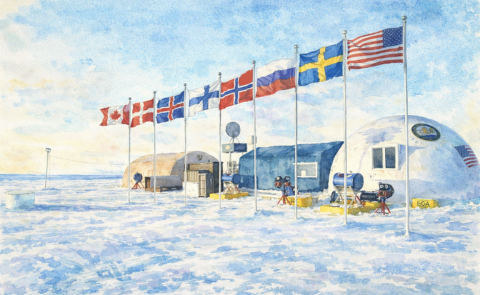
Arctic politics: between competition and cooperation

The Arctic region is at the crossroads of the dramatic environmental shifts and heightened conflict that are shaping global politics today. In the region, major geopolitical events and enduring rivalries necessitate a logic of competition, yet coordination on transboundary issues remains important. This echoes the challenges facing oceans, ecosystems and planetary problems in global governance more broadly, in which political efforts yield frustratingly incremental, yet indispensable, results.

Website articles  (13) Courtesy: Gateway House
5 March 2026

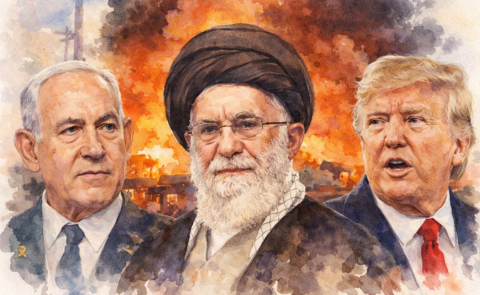
The geometry of attrition: Iran-Israel-U.S. theatre

Early indicators of the ongoing war in West Asia point to a conflict trajectory from the rapid decision to the controlled escalation to distributed strike capacity, advanced military integration and mounting regional exposure. Much like Johann Goethe’s Sorcerer’s Apprentice, conflicts initiated based on assumptions of control can acquire a momentum of their own.

Website articles  (51) Courtesy: Gateway House
4 March 2026

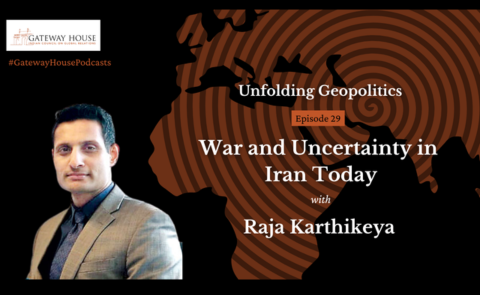
Unfolding Geopolitics Episode 29 |War and uncertainty in Iran today

The assumption that the Iranian public will rise up against its religious and political leadership, seizing the opportunity provided by Israel and U.S. strikes against Iran, may not prove true. Iran’s civilisational structure is resilient, and its educated population may not like being dictated to by the West. Raja Karthikeya, a former international civil servant based in Tehran, examines the escalating U.S.-Israel conflict with Iran, its regional and domestic implications and the tenacity of Iran’s political system amid external pressure.

Website articles  (43) Courtesy: Reuters
25 February 2026

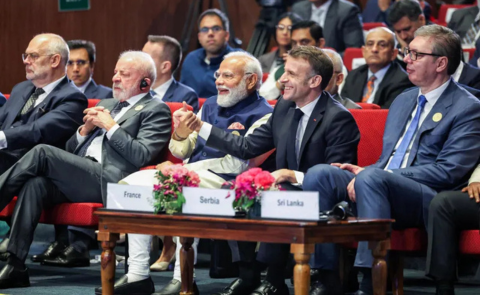
Macron, Modi, Lula: the emerging troika

A new troika is on the rise: India, France and Brazil, led by Modi, Macron and Lula. They were present at the AI Impact Summit in New Delhi on February 20, representing the three largest democracies in Latin America, Asia, and Europe. Can their mutual understanding and global influence bring prosperity and resilience to their economies and strengthen their cooperation in addressing global challenges?