Twitter_@DrSJaishankar Courtesy: Twitter/@DrSJaishankar
12 August 2026

India bids for UNSC

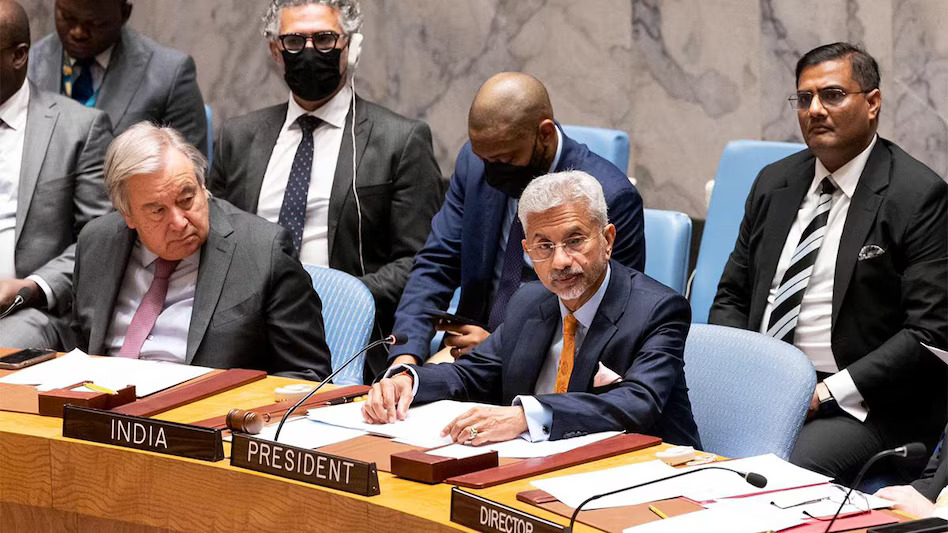
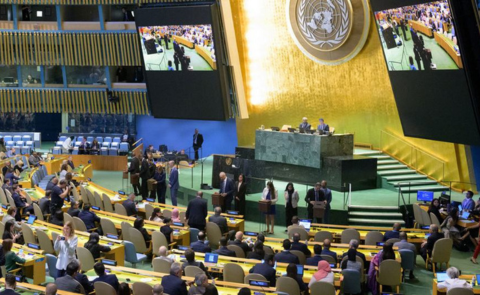
India has officially launched its campaign for a non-permanent seat on the UNSC for 2028-29. This will be India’s ninth time on the UNSC. The election is strict and process-driven. The campaign has been launched well in time to ensure election with the highest possible number of votes to signal global acceptance of India, now the world’s most populous country, as a permanent member of the UNSC.
UNSC Elections Courtesy: Manuel Elías
6 August 2026

The UN changes guard

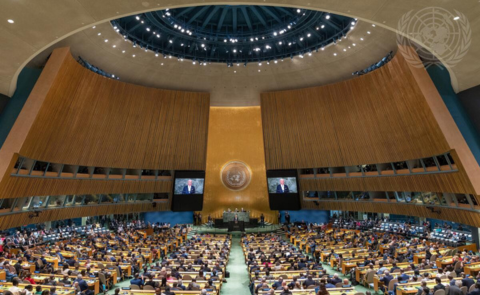
The process of choosing a new Secretary General of the UN, to assume office on January 1, 2027, has begun. The UN Security Council is central to this and has just held its first straw poll on the seven candidates in the fray. Three have done well – all from countries with positive ties to the current U.S. administration. India must keep a close eye on the developments.

the influence of phil in the UN  (1) Courtesy: Debarpan Das
5 February 2026

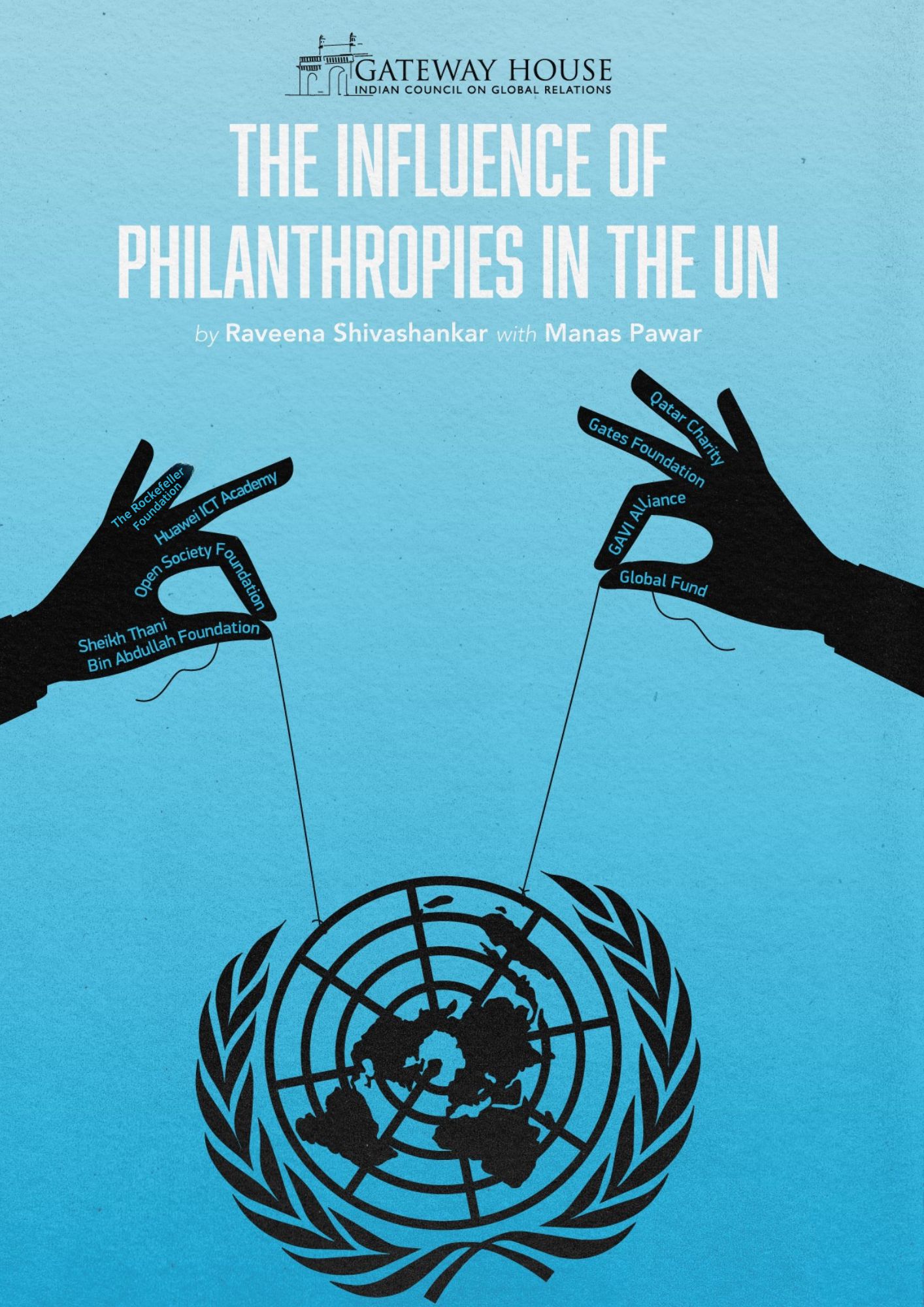
Influence of philanthropies in the UN

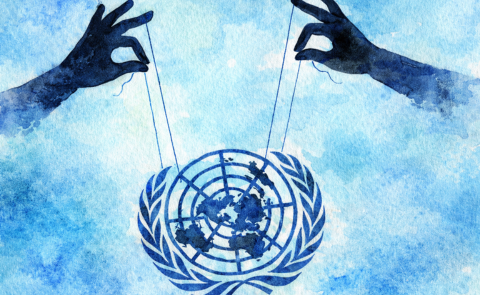
Over the last few decades, countries have stopped, delayed, or withheld their UN dues. The UN’s increasing financial needs have led to the acceptance of “voluntary” contributions. Those which come from any entities or individuals and are now its largest income stream. The biggest of these donors are the global philanthropies, which often have differing agendas from the UN’s responsibilities. This report studies these contributions and examines the linkages between donor priorities and UN mandates.

2 (6) Courtesy: Gateway House
5 February 2026

Influence of philanthropies in the UN

On January 7, 2026, the U.S. government announced its withdrawal from 31 UN organisations. This is a shock to the UN system. Several other countries have halted or only partially paid their dues over the years, creating a major funding gap. To cover for it, the UN has turned to “voluntary contributions” which come from philanthropic and private actors. Their misaligned mandates are distorting UN priorities.

61mEzQVAteL (1) Courtesy: Amazon India
4 September 2025

The New World: 21st Century Global Order and India

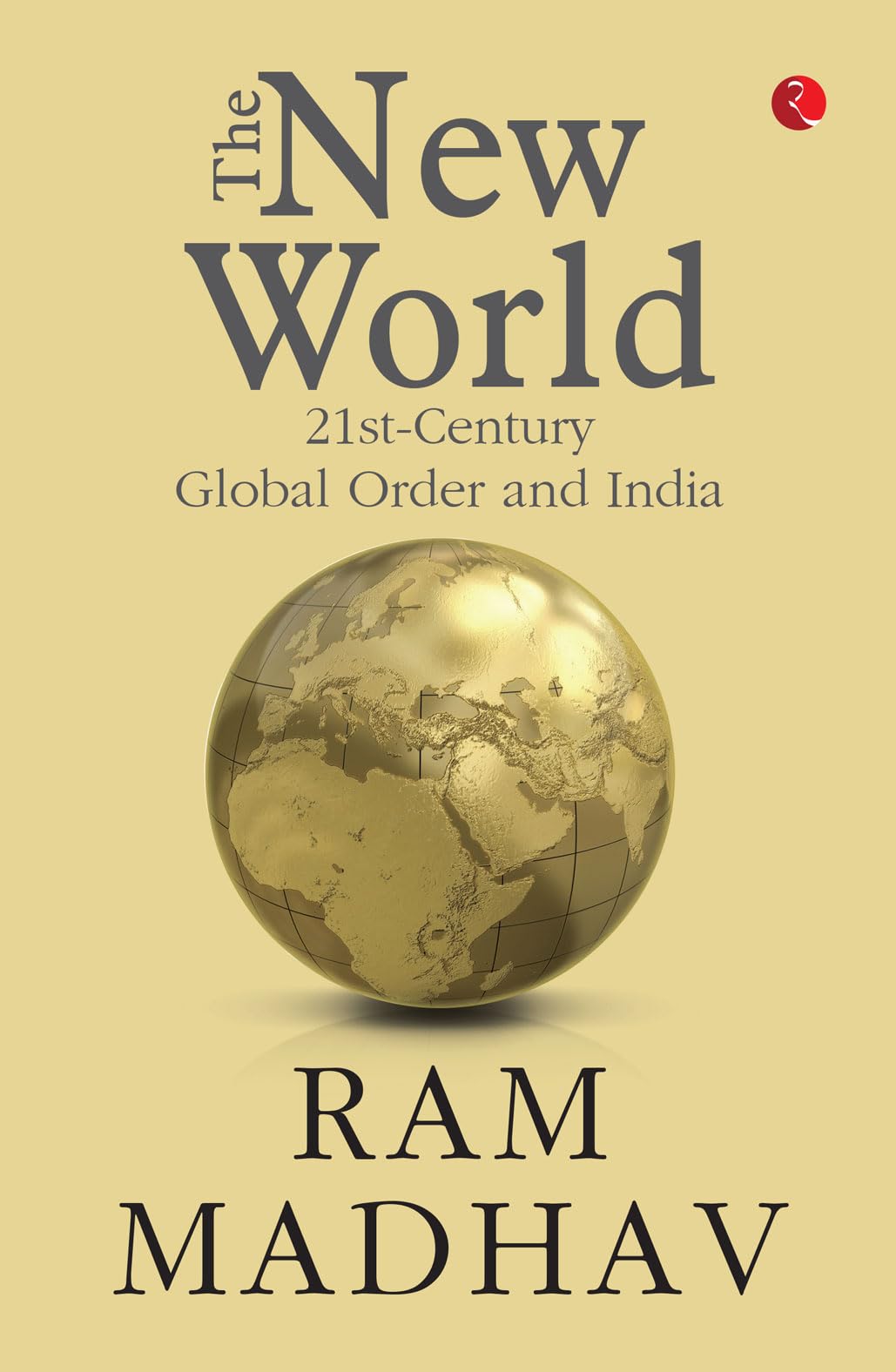
In this book, author Ram Madhav refers to “order” not simply in terms of politics and power, but as the outcome of inventions, industries, and ideologies that have shaped human civilisation. He blends the lens of an Indian scholar with that of a seasoned politician, tracing turning points in history and highlighting the roles of non-state actors, technological revolutions, and the moral and ethical dimensions of order.

Website articles  (6) Courtesy: Gateway House
6 February 2025

80 years of United Nations

The UN turns 80 this year. How is it being judged? Both disparagingly and with admiration says Ruchira Kamboj, Former Permanent Representative of India to the UN. In this podcast with Manjeet Kripalani, Executive Director, Gateway House, she explains the now-diminished U.S presence, the growing influence of China, the scope for reform and India’s position as an emerging global power.

trump Courtesy: Indian Express
16 January 2025

Détente for hegemony

On January 20, when the U.S. gets a new president, he will face a world of changed alliances. China at the high table and newly aligned with Russia, which is separated from its European cousins, two wars and a G2-leaning global economy. Will Donald Trump revert to the days of ‘détente’ or continue the ‘neocon’ policies in vogue, to maintain U.S. hegemony?

LDC_Infographic-02 Courtesy: United Nations
29 February 2024

Least developed to developing

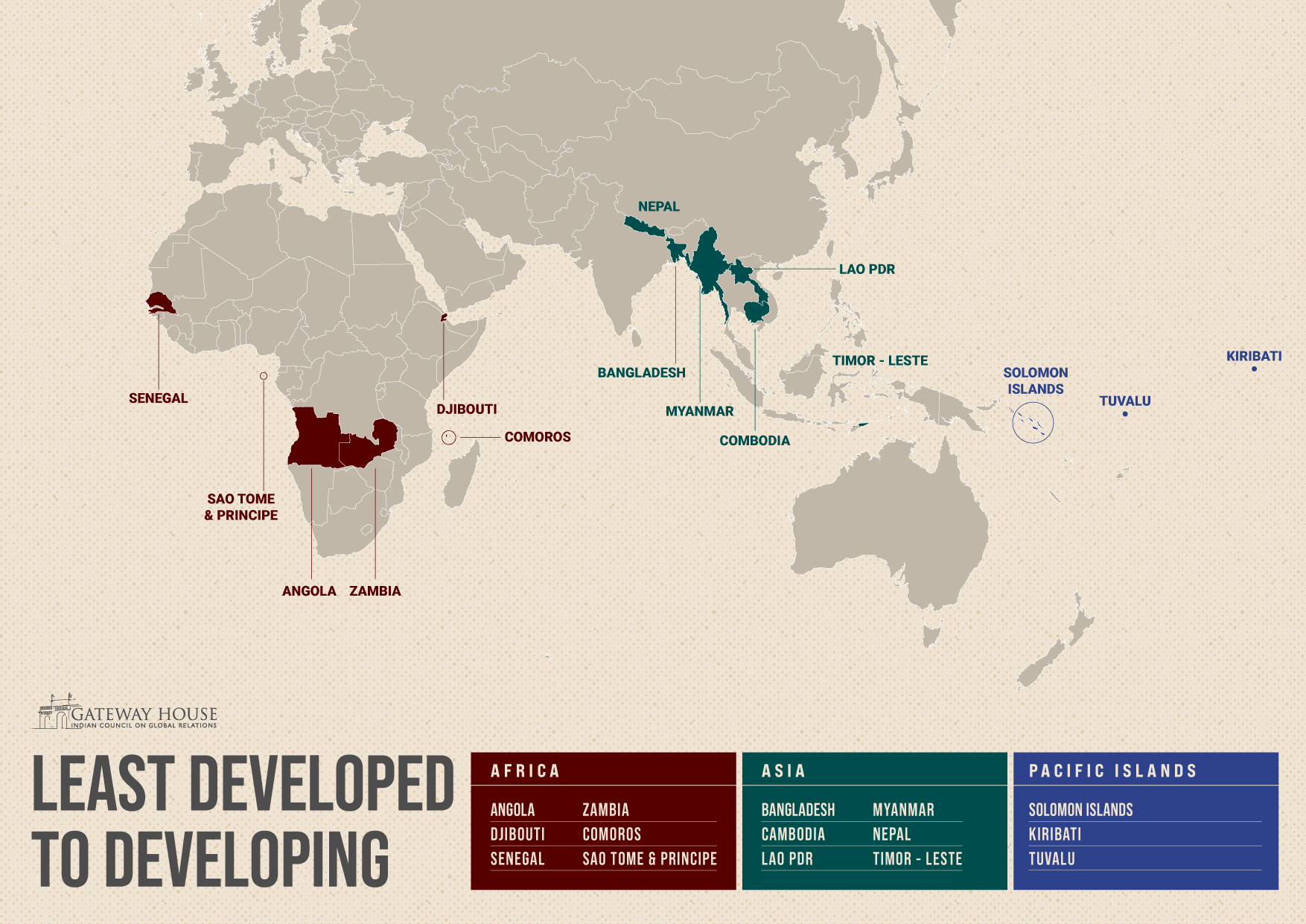
The transition from least developed country (LDC) to developing country marks a major milestone for the world’s most vulnerable and structurally disadvantaged countries. The recent graduation of Bhutan into the 'developing' realm reflects the trend of accelerating development among least developed countries. Fifteen more LDCs are due to move up in the coming years, a clear improvement from the past.

Stalemate in Myanmar Courtesy: Ye Aung Thu/AFP
10 November 2022

The continuing stalemate in Myanmar

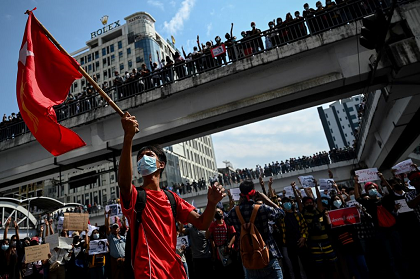
Nearly two years after the military coup in Myanmar, tensions remain, with no domestic or international solution in sight. Despite these setbacks, the Myanmarese people's commitment to democracy has not faltered. As they did a decade ago, the Myanmar elite and leadership of both camps must once again use resilience and pragmatism to craft a way out of the current crisis.

Modi In G20 Courtesy: Narendra Modi/Facebook
25 August 2022

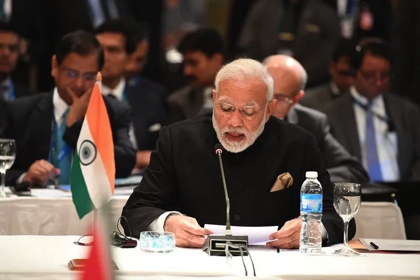
Geopolitics, G20 and India’s Choices

India will be president of the G20 in 2023. The world’s most influential economic governance body is facing an existential crisis, where the major powers have fallen out. With geopolitical currents redefining geo-economics, India needs to be ready to emerge as the chief global diplomat.