Office of the Pakistani Prime Minister_AFP Courtesy: AFP
27 August 2026

Mecca Accord and India’s energy security

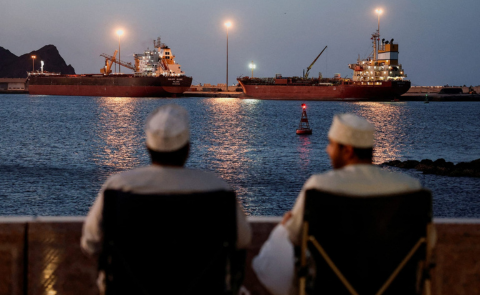
The Mecca Accord between Saudi Arabia, Turkiye and Pakistan has raised some red flags in the region, and in India. One element remains unchanged: India’s value to Riyadh as an energy importer. With demand security holding more weight than supply security in an uncertain future, a major and growing oil importer like India is more important than the cash-for-security arrangement the Kingdom has signed with Pakistan.

rawlines Courtesy: Gateway House
6 August 2026

The Kremlin: AI ecosystem architect

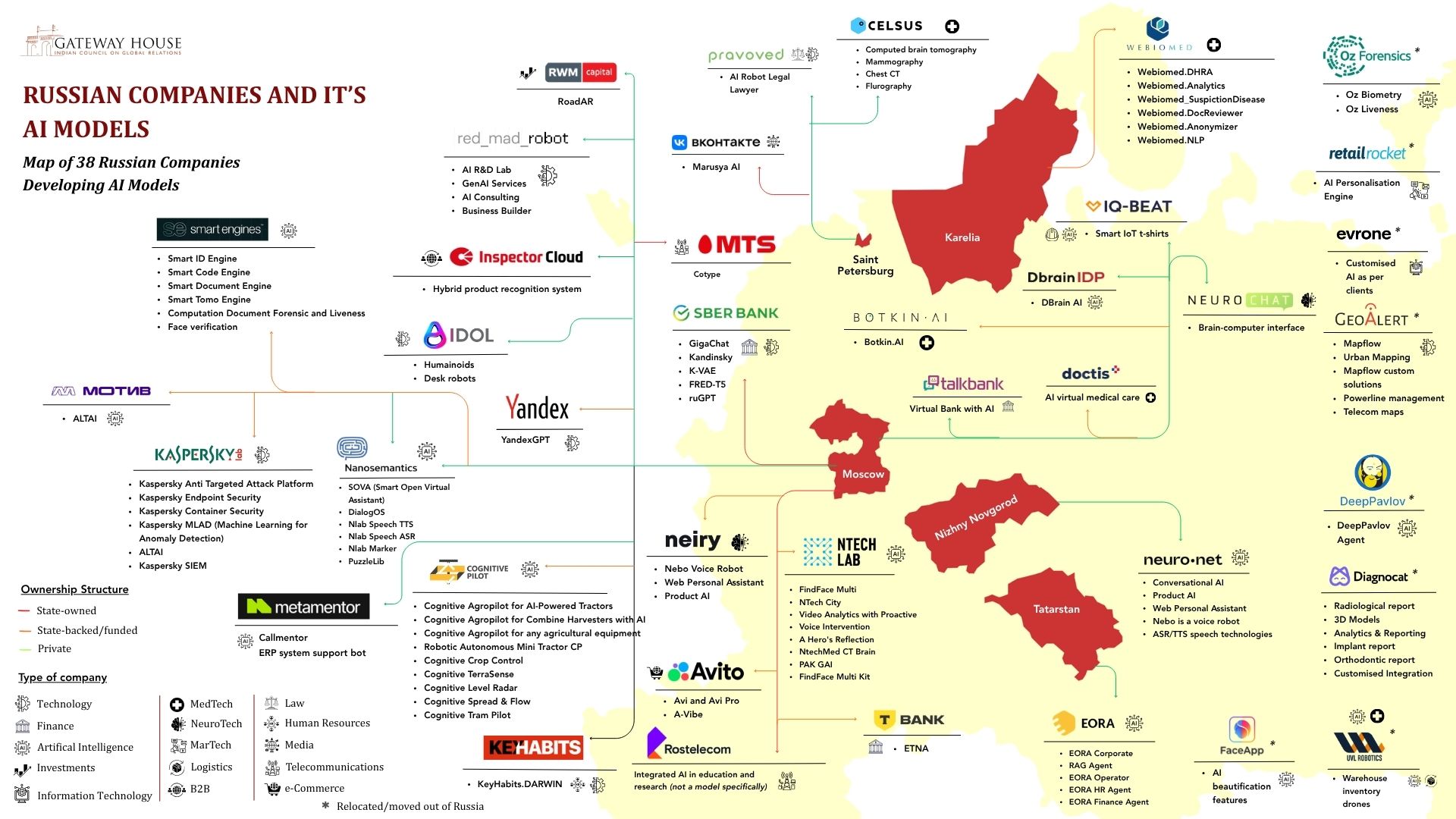
At the St. Petersburg International Economic Forum in June, President Vladimir Putin reiterated that Russia is building a sovereign AI ecosystem. Despite Western sanctions and the brain drain following the Ukraine war, Moscow continues to support AI startups and SMEs through state-backed funding. There are 38 Russian AI companies, and it is worth analysing their backgrounds, classifications, and the links between them and the Russian state.

UNSC Elections Courtesy: Manuel Elías
6 August 2026

The UN changes guard

The process of choosing a new Secretary General of the UN, to assume office on January 1, 2027, has begun. The UN Security Council is central to this and has just held its first straw poll on the seven candidates in the fray. Three have done well – all from countries with positive ties to the current U.S. administration. India must keep a close eye on the developments.

Canadian Prime Minister, Mark Carney, with Indian Prime Minister, Narendra Modi Courtesy: PTI
6 August 2026

India-Canada on a positive reset

There is a positive reset in India-Canada relations, and this is being strengthened through cooperation in security, trade and education ties. Both countries believe in the strategic value of the Indo-Pacific, and both have been at the receiving end of rough geopolitical treatment by the U.S. They see their salvation in putting the past behind them and deepening bilateral relations.

Website articles  (11) Courtesy: ASEAN
30 July 2026

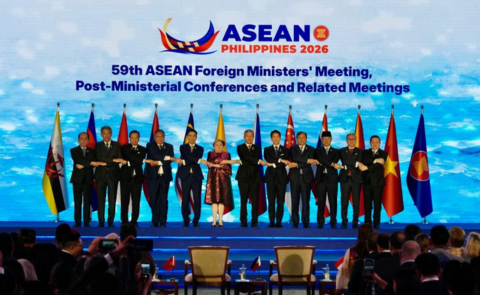
ASEAN centrality on display in Manila

The Manila meetings of ASEAN, held amid continuing crises in Ukraine and West Asia, have demonstrated that ASEAN centrality has not gone out of fashion. Neither the U.S. nor China, despite scepticism about ASEAN's effectiveness, wishes ASEAN institutions to disappear. India, Russia, Japan, Australia, the EU and the UK likewise continue to use these meetings as valuable platforms for Indo-Pacific engagement.

sabrang india (1) Courtesy: Council on Foreign Relations
23 July 2026

India should re-examine its energy investment

The absence of panic in the energy markets despite the renewed U.S.-Iran fighting indicates a well-supplied oil market in the longer term. That means stability for energy short countries like India in the long term. In the short term, however, India will be impacted by other disruptions, such as the increased use of sanctions.

the jerusalem post Courtesy: The Jerusalem Post
16 July 2026

The gulf in the Gulf

The ongoing conflict in the Gulf has created tremendous change. Israel is deeply scarred by the October 7 attacks. Iran retains the ability to go nuclear despite U.S.-Israel attacks. China’s assistance to Iran through intelligence and the supply of parts and chemicals for missiles has been noticed. New formations of countries - either interlocutors, participants or victims of the war – are generating an alphabet soup of influencers.

outlook business (2) Courtesy: Gateway House
16 July 2026

Five surprising truths about middle-powers

The global steering wheel has come loose, replaced by more fluid, pragmatic, and regional frameworks. The Emerging Middle Powers Report 2026 illuminates the shifting postures and throws up some surprises: trust in the U.S. is receding, non-alignment is increasing, regionalism is more important, and divergences from the mainstream are clear. Can Middle Powers be more than just bridges to overcome differences?

Website articles  (3) Courtesy: Gateway House
9 July 2026

The missing pillar of India’s sovereign AI

India’s sovereign AI strategy prioritises chips, compute, data, models, and talent, but overlooks a critical pillar: energy security. As AI-driven electricity demand surges globally and the IndiaAI Mission rapidly expands computing capacity, reliable power is becoming a defining constraint on AI ambitions. Energy security must therefore be recognised as a core pillar of India’s sovereign AI strategy, not merely as supporting infrastructure.

outlook business Courtesy: Outlook Business
9 July 2026

India-Japan Economic Security Pillar

The legacy of the Modi-Takaichi Summit will extend well beyond the bilateral. It demonstrates that middle powers, through responsible and sustained action, are capable of shaping the future of the Indo-Pacific through strategic intent and the resilient economic networks that back it up to promote regional stability. For India and Japan, economic security is the foundation upon which the next generation of the bilateral will be built.