Reuters Courtesy: Reuters
13 October 2026

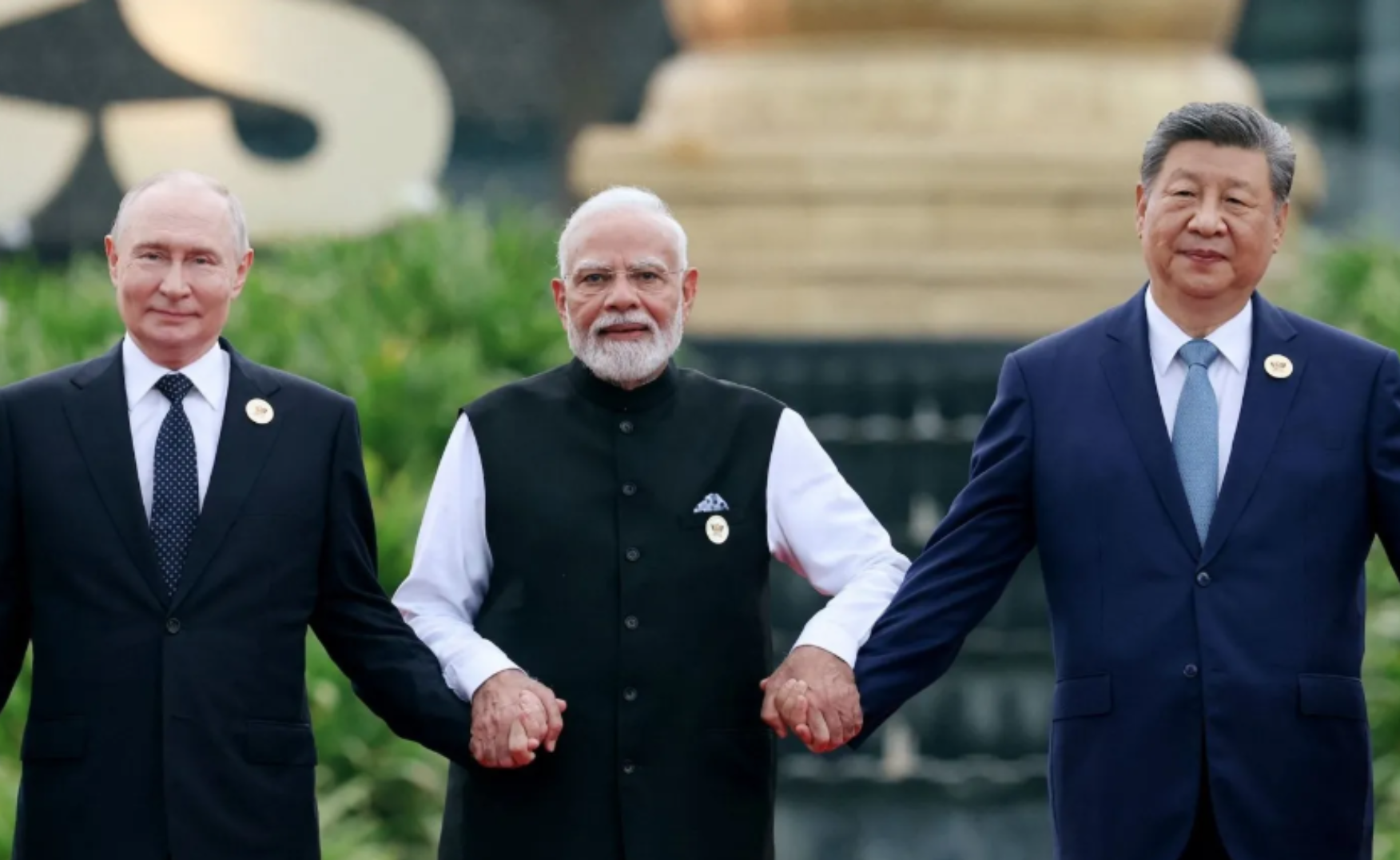
Multiple dimensions of BRICS’ Delhi Summit

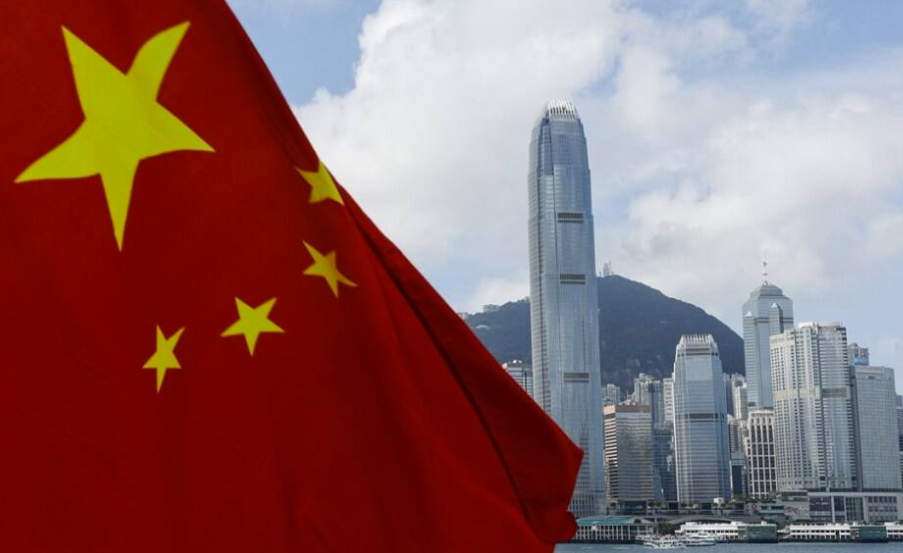
 The BRICS Summit in Delhi carried over the issues from the previous years. But it was particularly important because it also hosted the India-China leaders’ bilateral, and it was preceded by the visit of Chinese President Xi to the U.S. The optics of the 2026 Summit will have been keenly watched in Washington for its effect on U.S.-China relations.

Xi-Trump Courtesy:
8 October 2026

A tired U.S.-China tango

Chinese President Xi Jinping’s September state visit to the U.S. produced no joint statement, indicating major differences, although both countries agreed Iran should not develop nuclear weapons and no country should collect tolls in the Strait of Hormuz. Tariffs on China remained unresolved. There was a staleness to the visit, with both countries’ leaders focused on the past. The visit appears to favour China, denoting its growing stature.

AI generated Economic Times Courtesy: The Economic Times
2 September 2026

China and Economic D-Day vs. Iran

“Economic D-Day”, recently announced by the U.S. Trump administration, will put additional sanctions on any party which facilitates any activity with Iran. India, Iraq, Turkey, and the UAE could be affected. But ironically China, the biggest supporter of Iran’s regime, may be off the hook given the deep mutual over-reliance with the U.S. and the risk that further sanctions on China could put the global financial system in jeopardy.

US Embassy and Consulates in Italy Courtesy: US Embassy & Consulates in Italy
18 December 2025

U.S.’ National Security Strategy 2025

It is customary for every U.S. president to release a National Security Strategy (NSS) early in their tenure. President Trump published the NSS for his second term in November 2025. It’s a contrast from his 2017 NSS, which addressed broad threats. The 2025 version is narrower, emphasising trade over security, with the Western Hemisphere being the primary area of focus. Is the U.S.’s global role shrinking?

DD news Courtesy: DD News
18 August 2025

Alaska, the Summit of Summits

There was much at stake for the U.S.-Russia summit at Alaska – more than just the future of Ukraine. It will put the world back on economic track, and ease East-West relations, under stress for an on-going tariff war. For now, diplomacy has played a successful hand.

AFP Courtesy: AFP
14 August 2025

India-U.S. trade: geopolitics or geoeconomics?

India-U.S. trade negotiations have faltered. India stepped outside its comfort zone to offer zero tariffs on industrial goods that form 40% of U.S. exports to India, but the additional 25% tariffs have rendered most Indian exports noncompetitive. Only a carefully balanced, incremental negotiating framework blending economic pragmatism with protection of core domestic interests backed by political will, stands a realistic chance of bridging the current impasse.

peak china Courtesy: Financial Express
23 February 2024

Unfolding Geopolitics | Episode 6, Peak China—or not

Has China peaked? India's leading China expert and Adjunct Distinguished Fellow for National Security and China Studies at Gateway House, Lt. Gen. S.L. Narasimhan discusses China's economy, the sustainability of Chinese global influence, the future of U.S.-China relations, and what this means for India. China, he says, will continue to be a shaping force in geopolitics, and the India-China relationship will continue to be one of interdependence.

ASEAN Website Courtesy: Kuwait Times
25 July 2023

ASEAN on a trodden path

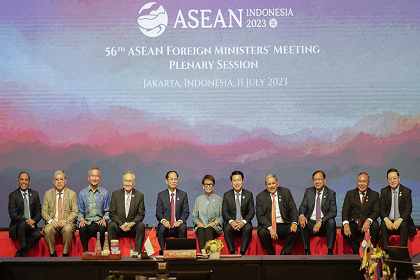
The 56th ASEAN Foreign Ministers Meeting in Jakarta reflected the grouping’s resilience amidst transformative geopolitical changes in the Indo-Pacific. Striving for unity and centrality, ASEAN tackled challenges posed by COVID-19, economic slowdown, climate change, and U.S.-China competition. However, internal differences on sensitive issues like Myanmar have tested its credibility.

xi putin bbc Courtesy: BBC
17 February 2022

Signalling at the Beijing Olympics

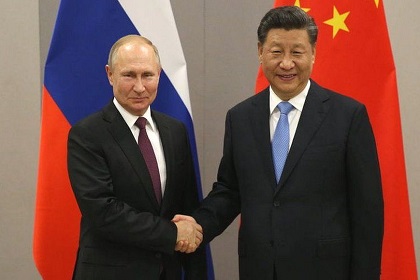
The 2022 Beijing Winter Olympics came to a close on 20 February. It was marked by Covid restrictions, athlete dramas, and a united diplomatic boycott by Western democracies citing human rights concerns in Xinjiang, a boycott India later joined for Galwan-related issues. In contrast with the unity presented by China and Russia with summit meetings in the lead up to the Olympics, shifting alliances are now the norm.

Bhatia article image Courtesy: Gateway House
17 February 2022

Has global geopolitics turned multipolar?

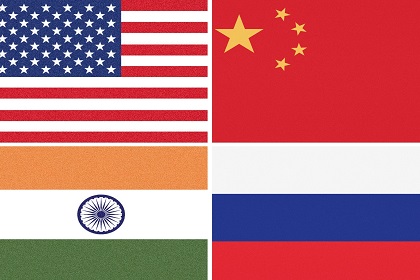
The Quad Foreign Ministers' meeting held on February 11 is the latest example of growing geopolitical cooperation. Several loci of power have emerged, indicating the end of the post-Cold War western hegemony. China's rise and alliance with Russia hints at a bipolar tendency in this nascent global multipolarity. India must ensure power distribution in Asia by sharpening its diplomacy to achieve its own interest - true multipolarity in Asia.