outlook business (2) Courtesy: Gateway House
16 July 2026

Five surprising truths about middle-powers

The global steering wheel has come loose, replaced by more fluid, pragmatic, and regional frameworks. The Emerging Middle Powers Report 2026 illuminates the shifting postures and throws up some surprises: trust in the U.S. is receding, non-alignment is increasing, regionalism is more important, and divergences from the mainstream are clear. Can Middle Powers be more than just bridges to overcome differences?
Website articles  (5) Courtesy: Körber-Stiftung
6 July 2026

Tested, Trusted, Torn? Emerging Middle Powers Report 2026

The third Emerging Middle Powers Report reveals interesting trends. In every recent year, the five countries surveyed – India, Germany, South Africa, Brazil, and Indonesia – have been tested by events to prove they can prevail over the contested terrain of global politics. A pattern has emerged linking them together: non-alignment is their preferred response to a fragmenting order.

G7 Courtesy: Prime Minister's Office of Japan
25 June 2026

G7 Evian summit matters

The 52nd G7 Summit, held in Evian-les-Bains from June 15-17, reflected both the challenges and continued relevance of the grouping. While the G7’s share of global GDP has declined, it remains influential. India’s participation as an invited guest drew attention as a major representative of the Global South. As BRICS chair this year, India has an opportunity to explain the motivations of both the G7 and BRICS to each other's members.

RJFV Courtesy: Gateway House
23 April 2026

India and Scotland: a shared past

The Scottish imprint on India, starting in the British era, is visible even today. Roger Jeffery and Friederike Voigt explore historical ties between Scotland and India, drawing on their recent visit to Mumbai, its Scottish heritage, and their new book, Perceptions of Empire: Edinburgh’s Engagement with India. They dwell on how shared histories in education, trade, missionary activities, and institution building can inform a deeper engagement between Indians and Scots.

Website articles  (79) Courtesy: @DrJaishankar/X
23 April 2026

Korea re-engages India

South Korea and India have much in common – both are Indo-Pacific players, oil importers and business-oriented economies. Yet, despite the ubiquitious and successful presence of Korean companies in India’s markets, the political relationship has been weak, and underperformed. The recent state visit by South Korean President Lee Jae-myung to India along with a slew of economic and strategic agreements signed, is an effort to recalibrate the relationship.

20260415_1714_Minimalist Iran Conflict Illustration_remix_01kp8f9nksftqrj3zntfnpktpe Courtesy: Gateway House
15 April 2026

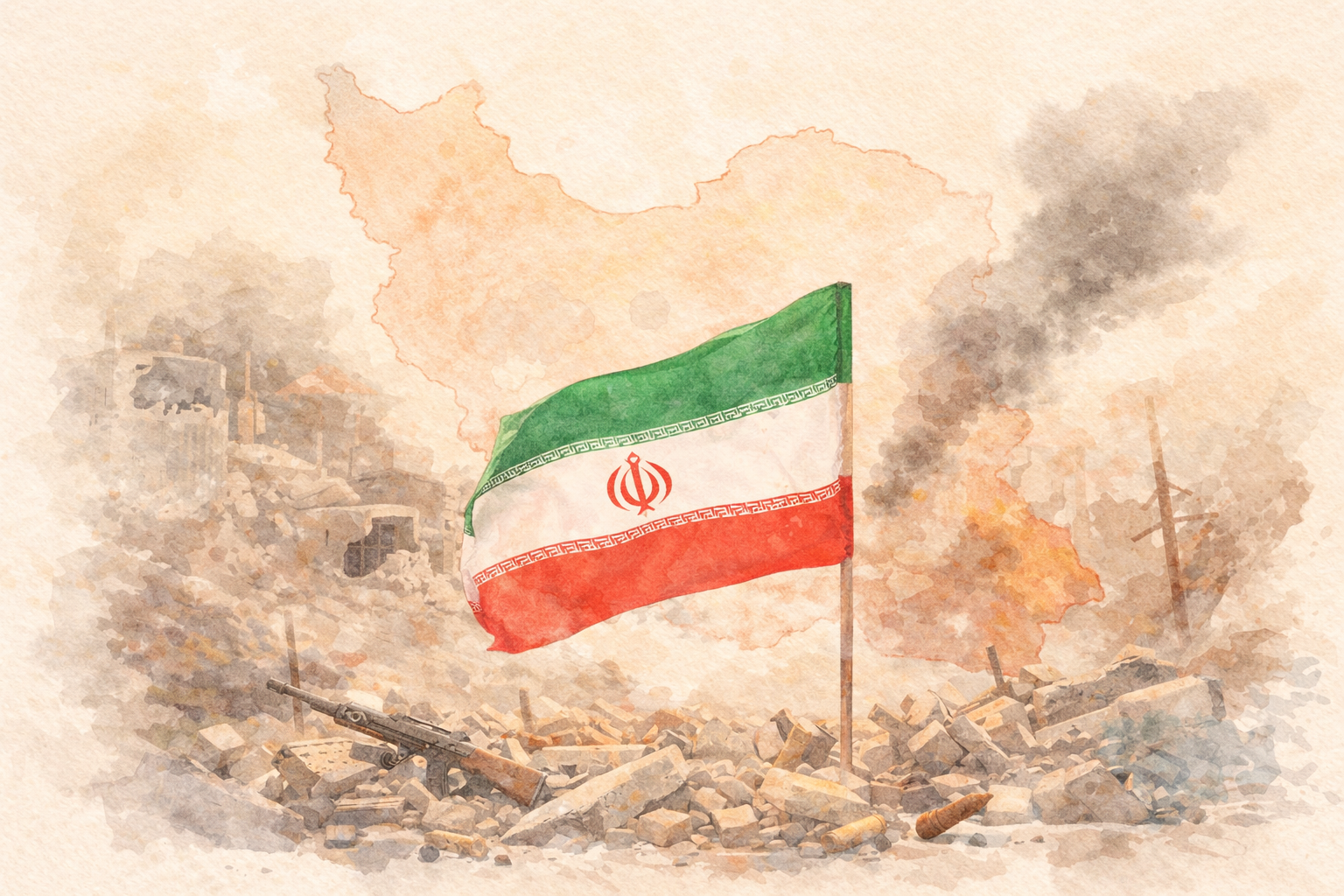
How did Iran fight this war?

The West Asian conflict is raising questions about Iran’s performance. Tehran appeared well-prepared, having expanded its low-cost drone and missile capabilities. It also widened the conflict by targeting U.S. bases in the Gulf. The key lesson is that eliminating leadership does not guarantee regime change. The conflict underscores that modern warfare depends not just on battlefield gains, but also on economic resilience, trade leverage, and technological strength.

Website articles  (74) Courtesy: Presidential Communications Office
9 April 2026

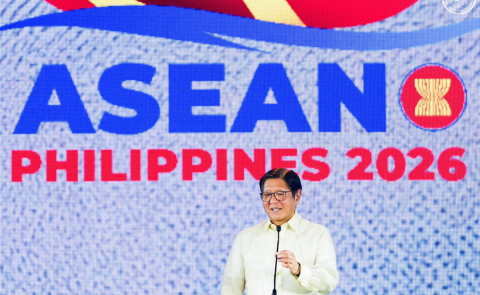
ASEAN challenged by the Iran crisis

The West Asia conflict has disrupted global stability, impacting ASEAN economies and diplomacy. As chair, the Philippines balances its alliance with the U.S. and regional neutrality, while Indonesia and Malaysia reflect domestic support for Arab states. With energy shocks, remittance risks, and inflation rising, ASEAN’s limited influence is evident. Has ASEAN once again been drawn into a vortex of crises beyond its control?

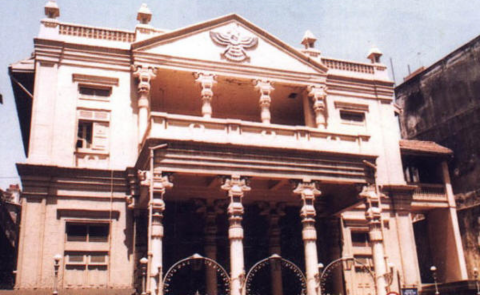
Anjuman Atash Bahram, Mumbai, with the winged Farohar symbol at the top. Courtesy: Heritage Institute
2 April 2026

The Persian-Parsi identity

Persia and India’s impact on each other go back to antiquity, but the extent of the Persian influence on the Parsi identity is more difficult to quantify. Despite their deep cultural connection, Parsis do not identify with Iran as the mother country. Reza Shah Pahlavi, impressed with their achievements in India, wanted them to return to Iran, but they could not be enticed to leave India.

Website articles  (62) Courtesy: Gateway House
26 March 2026

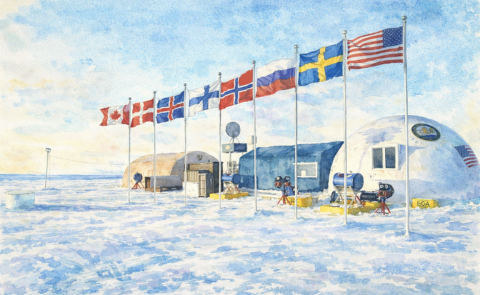
Arctic politics: between competition and cooperation

The Arctic region is at the crossroads of the dramatic environmental shifts and heightened conflict that are shaping global politics today. In the region, major geopolitical events and enduring rivalries necessitate a logic of competition, yet coordination on transboundary issues remains important. This echoes the challenges facing oceans, ecosystems and planetary problems in global governance more broadly, in which political efforts yield frustratingly incremental, yet indispensable, results.

Website articles  (58) Courtesy: Finland in India
19 March 2026

A significant Finnish visit

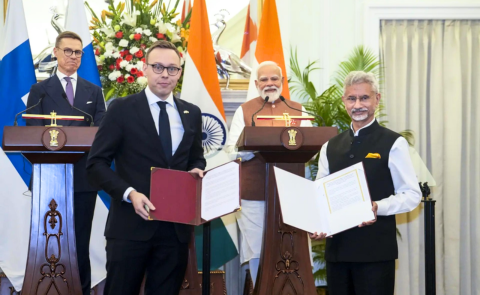
Amid the fast-changing geopolitical landscape, European Union (EU) member states seem to have rediscovered the value of close cooperation with India, an Asian power with greater ambitions. India, too, finds that growth in partnership with the EU and the UK is a source of strategic comfort. Both sides are propelled to deeper mutual policy proximity by the pressures generated by the Trump 2.0 presidency in the U.S.