outlook business (2) Courtesy: Gateway House
16 July 2026

Five surprising truths about middle-powers

The global steering wheel has come loose, replaced by more fluid, pragmatic, and regional frameworks. The Emerging Middle Powers Report 2026 illuminates the shifting postures and throws up some surprises: trust in the U.S. is receding, non-alignment is increasing, regionalism is more important, and divergences from the mainstream are clear. Can Middle Powers be more than just bridges to overcome differences?
Website articles  (5) Courtesy: Körber-Stiftung
6 July 2026

Tested, Trusted, Torn? Emerging Middle Powers Report 2026

The third Emerging Middle Powers Report reveals interesting trends. In every recent year, the five countries surveyed – India, Germany, South Africa, Brazil, and Indonesia – have been tested by events to prove they can prevail over the contested terrain of global politics. A pattern has emerged linking them together: non-alignment is their preferred response to a fragmenting order.

Website articles  (90) Courtesy: Gateway House
7 May 2026

The Smackover blueprint

The Smackover Formation in south Arkansas and east Texas holds vast reserves of lithium — the critical mineral powering electric vehicles, energy storage systems, and data centres. If successfully tapped, those reserves could drastically reduce America's dependence on China. Arkansas has a stable, proven, predictable regulatory and statutory framework and familiarity with the production process. Policymakers in India would be wise to follow developments closely.

20260415_1714_Minimalist Iran Conflict Illustration_remix_01kp8f9nksftqrj3zntfnpktpe Courtesy: Gateway House
15 April 2026

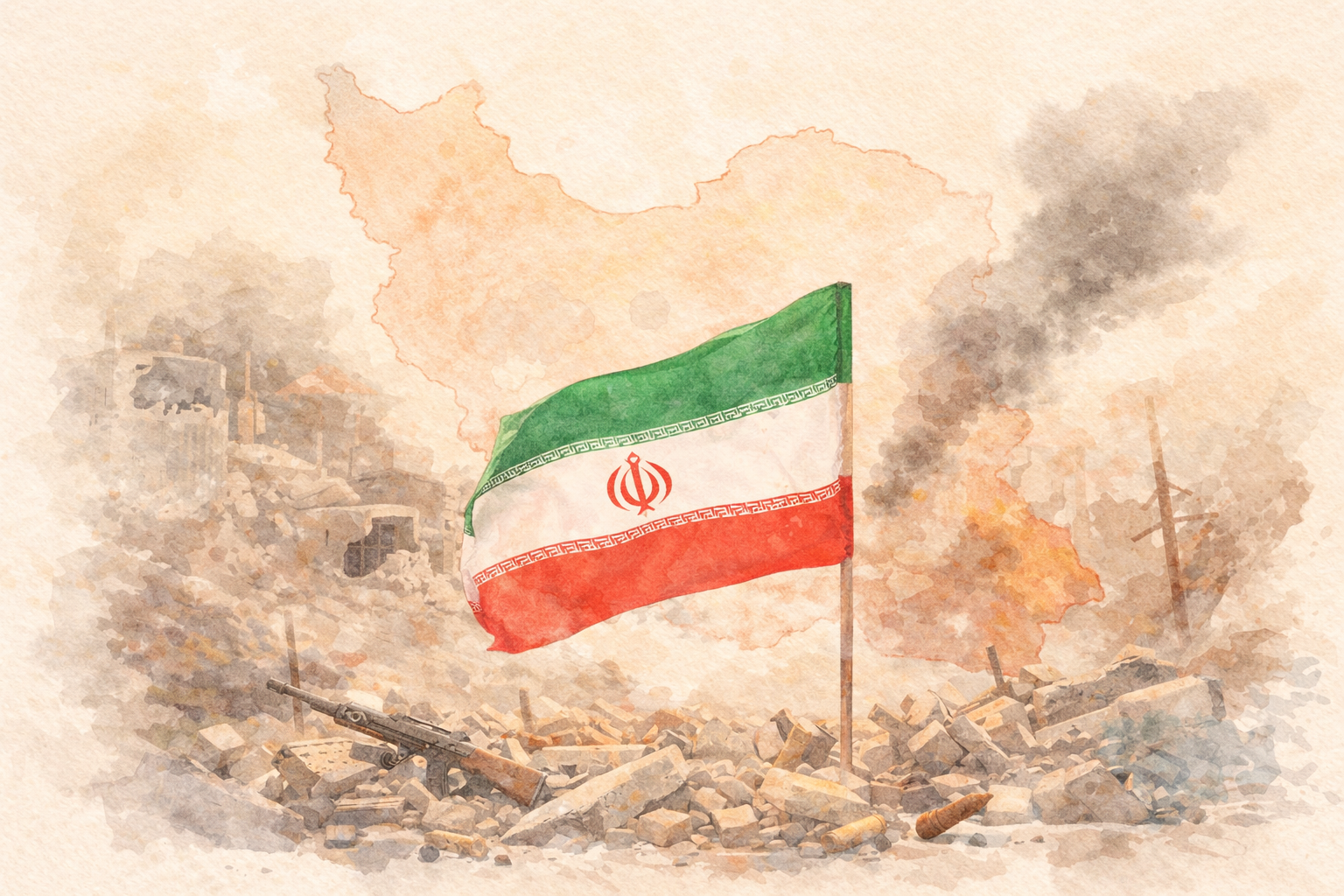
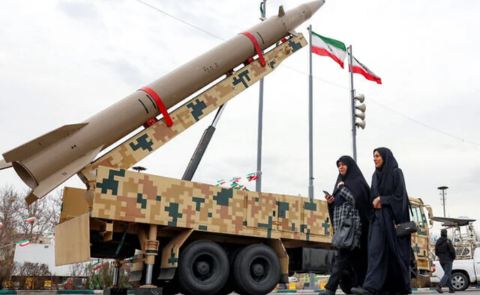
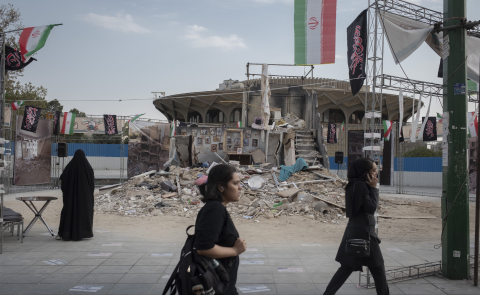
How did Iran fight this war?

The West Asian conflict is raising questions about Iran’s performance. Tehran appeared well-prepared, having expanded its low-cost drone and missile capabilities. It also widened the conflict by targeting U.S. bases in the Gulf. The key lesson is that eliminating leadership does not guarantee regime change. The conflict underscores that modern warfare depends not just on battlefield gains, but also on economic resilience, trade leverage, and technological strength.

Website articles  (76) Courtesy: X/ @bdbnp78
15 April 2026

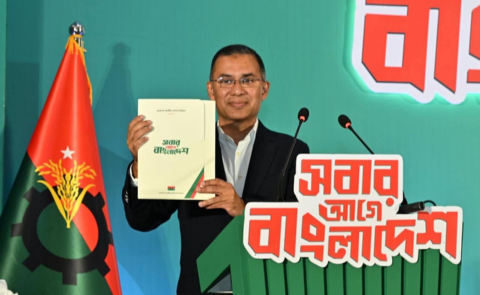
Bangladesh’s bumpy road ahead

Bangladesh’s new government has been in power for two months now, and the challenges are immense. Yet Prime Minister Tarique Rahman is trying to balance a plethora of issues: energy shortages, an under-performing economy, a major constitutional reform, addressing corruption and introducing transparency and accountability – all the while putting “Bangladesh First.”

rk (3) Courtesy: Gateway House
9 April 2026

Unfolding Geopolitics Episode 30 | The future of Persian Gulf oil flows

Following the U.S.–Iran ceasefire and partial reopening of the Strait of Hormuz, energy flows may resume, but uncertainty persists. Robin Mills, CEO of Qamar Energy, and Amit Bhandari, Senior Fellow on Energy, Investments and Connectivity, Gateway House, note that Iran will retain leverage and will continue influencing prices and supply chains. Natural gas shortages will further disrupt fertiliser production and fuel inflation world-wide.

Website articles  (62) Courtesy: Gateway House
26 March 2026

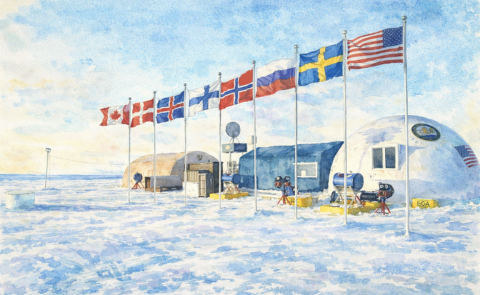
Arctic politics: between competition and cooperation

The Arctic region is at the crossroads of the dramatic environmental shifts and heightened conflict that are shaping global politics today. In the region, major geopolitical events and enduring rivalries necessitate a logic of competition, yet coordination on transboundary issues remains important. This echoes the challenges facing oceans, ecosystems and planetary problems in global governance more broadly, in which political efforts yield frustratingly incremental, yet indispensable, results.

Website articles  (56) Courtesy: Gateway House
19 March 2026

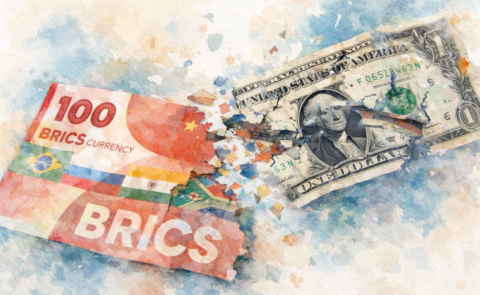
BRICS CBDCs can lead to financial multipolarity

India’s proposal to link the digital currencies of the BRICS nations could alter how emerging economies settle trade deals. It is necessary to examine the reasoning behind such a move, its effort to reducing dollar dependence, and the benefits that accrue to India.

Website articles  (52) Courtesy: AFP
9 March 2026

Iran regime change unlikely

The U.S.–Israel war against Iran will alter the geopolitical landscape of West Asia and adversely impact the global economy, including India. Vali Nasr, Majid Khadduri Professor of International Affairs and Middle East Studies at Johns Hopkins University School of Advanced International Studies, analyses the conflict and its implications in an exclusive conversation with Nayanima Basu.

Website articles  (11) Courtesy: Shutterstock
5 March 2026

West Asia conflict: who benefits?

The U.S. and Israel launched precise airstrikes on Iran, targeting nuclear facilities and senior leadership. Their aim is to weaken Iran’s nuclear programme and potentially induce regime change, while Tehran’s priority remains regime survival. The conflict’s duration will depend on whether it remains limited to missile exchanges or escalates into asymmetric warfare.