WhatsApp Image 2026-07-23 at 4.05.12 PM Courtesy: India's World
23 July 2026

“There have to be some signals, some gestures from our closest neighbour, India”

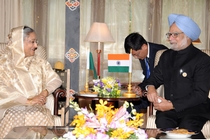
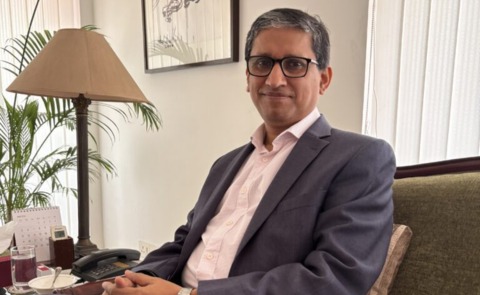
Prime Minister Tarique Rahman’s Bangladesh Nationalist Party will complete six months in office in August. His country faces multiple crises, with the Gulf War straining Bangladesh’s economy. In a sharp departure from previous practice, Rahman chose China for his first state visit even as anti-India rhetoric continued in Dhaka. It shouldn’t surprise, says Bangladesh’s departing High Commissioner to India, M. Riaz Hamidullah, speaking exclusively to Gateway House’s Nayanima Basu.
Website articles  (96) Courtesy: The Secretariat
20 May 2026

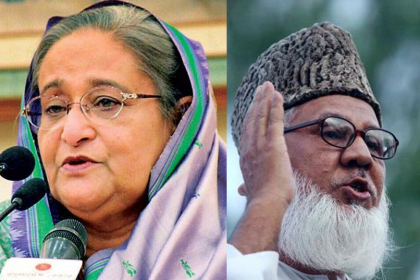
Interview with Sheikh Hasina

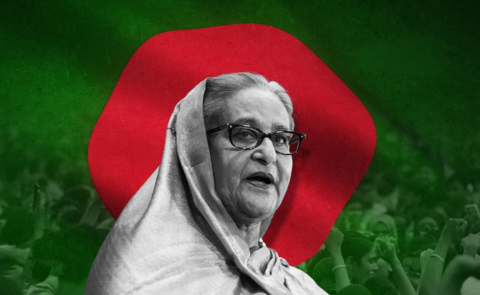
Bangladesh elected a new government in February this year after former long-time Prime Minister Sheikh Hasina was ousted from power in a violent mass protest on August 5, 2024. Her party, the Bangladesh Awami League, was banned from participating in this year’s election, which saw the return of the rival Bangladesh Nationalist Party (BNP) under Prime Minister Tarique Rahman. Hasina has been living in India since then and talks about her plans to return to Bangladesh and revive her party’s activities there. She spoke exclusively to Nayanima Basu.

Website articles  (76) Courtesy: X/ @bdbnp78
15 April 2026

Bangladesh’s bumpy road ahead

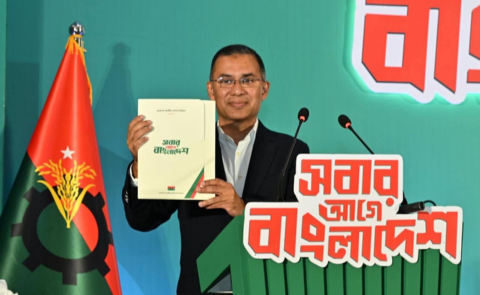
Bangladesh’s new government has been in power for two months now, and the challenges are immense. Yet Prime Minister Tarique Rahman is trying to balance a plethora of issues: energy shortages, an under-performing economy, a major constitutional reform, addressing corruption and introducing transparency and accountability – all the while putting “Bangladesh First.”

hasinamanmohan Courtesy: The Prime Minister's Office/Flickr
16 January 2014

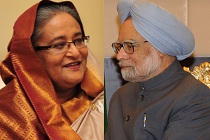
Bangladesh elections: was India right?

The return of the Awami League to power has generated protests and violence in Bangladesh. India’s support to the January 5 election was aimed at keeping at bay anti-India forces in Bangladesh, but anti-India sentiment in the country is high and fresh elections may throw up a result that does not suit New Delhi

flags of the world Courtesy: Horia Varlan/Flickr
27 December 2013

2014: Geopolitical star-gazing

As 2013 draws to a close, Gateway House examines the tumultous year and the significant developments that affected foreign policy globally. Below is our geopolitical forecast for 2014

Bangladesh flag Mostaque Chowdhury flickr Courtesy: Mostaque Chowdhury/Flickr
12 December 2013

India, U.S: Divided over Dhaka

Come January, Bangladesh will elect its next prime minister. Although it has emerged as a significant player in the region, India and the U.S. are yet to develop a synergy in their policies towards this important nation – even as the deeper struggle for influence and resources in Asia continues

pankajsaran2 Courtesy: Prachi Bidaye/ Gateway House
21 August 2013

Charting a new route to Bangladesh

Pankaj Saran, India’s High Commissioner to Bangladesh, talks to Gateway House about the current relationship between the two countries and the prominent issues that need to be addressed for a durable partnership.

Rajiv Ashrafi/Flickr Courtesy: Rajiv Ashrafi/Flickr
8 March 2013

Exorcising the ghosts of the subcontinent

The youth of Bangladesh, a generation born well after 1971, are now demanding long overdue accountability, secularism, and neighbourly friendship. If the movement is successful, Bangladesh will have shown all South Asian countries that to transcend the past it is necessary to be transparent and secular.

bangladesh article_210x140 Courtesy: PMO
15 July 2011

The Bangladesh bilateral: Looking to the future

The constant engagement between India and Bangladesh in the recent past has garnered a more suitable political atmosphere for enhanced bilateral relations. Looking beyond political blunders and focusing on socio-economic cooperation is at the advantage of both nations.