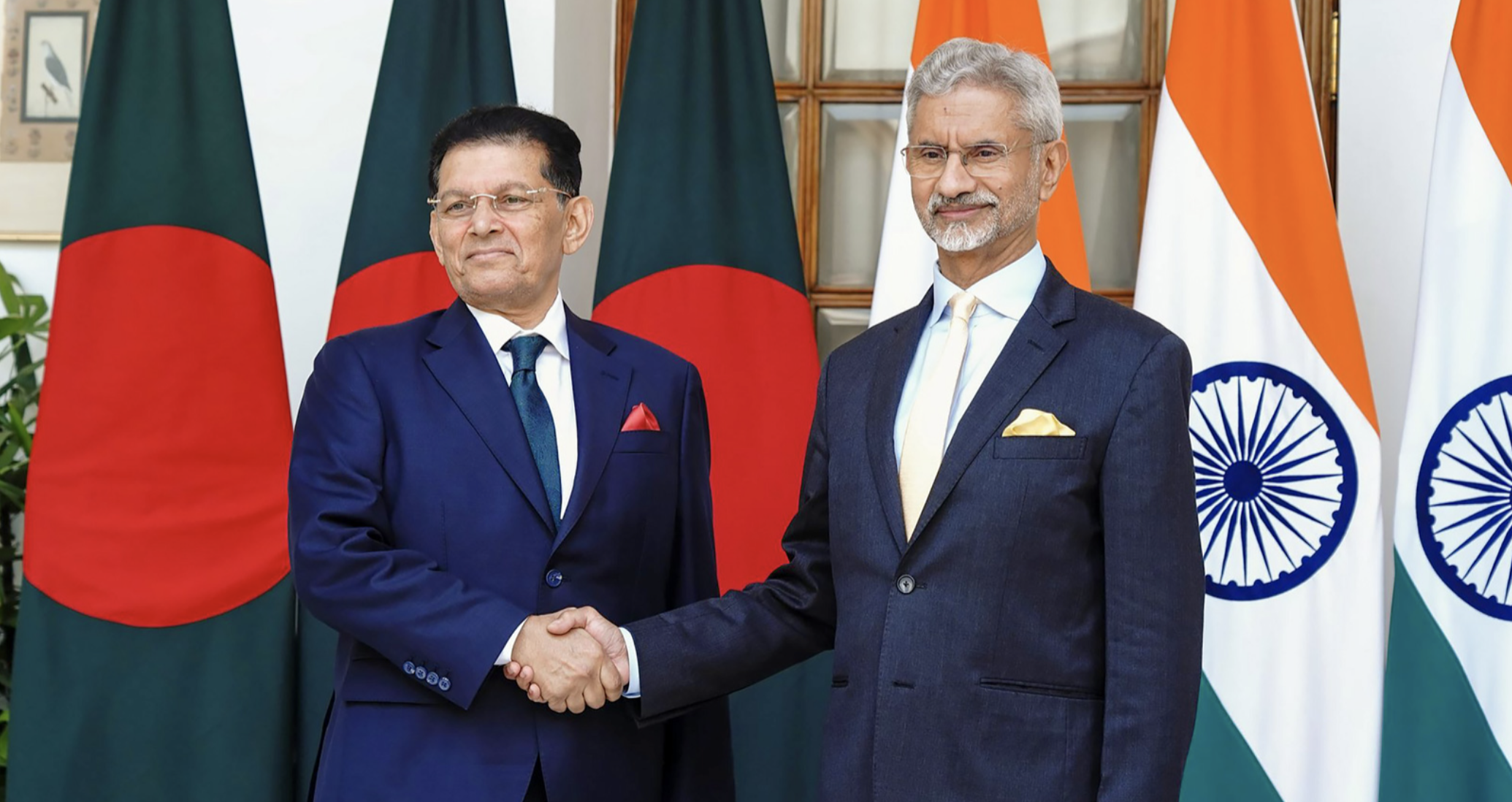
India-Bangladesh Courtesy: PTI
20 August 2026

Pragmatising India-Bangladesh ties

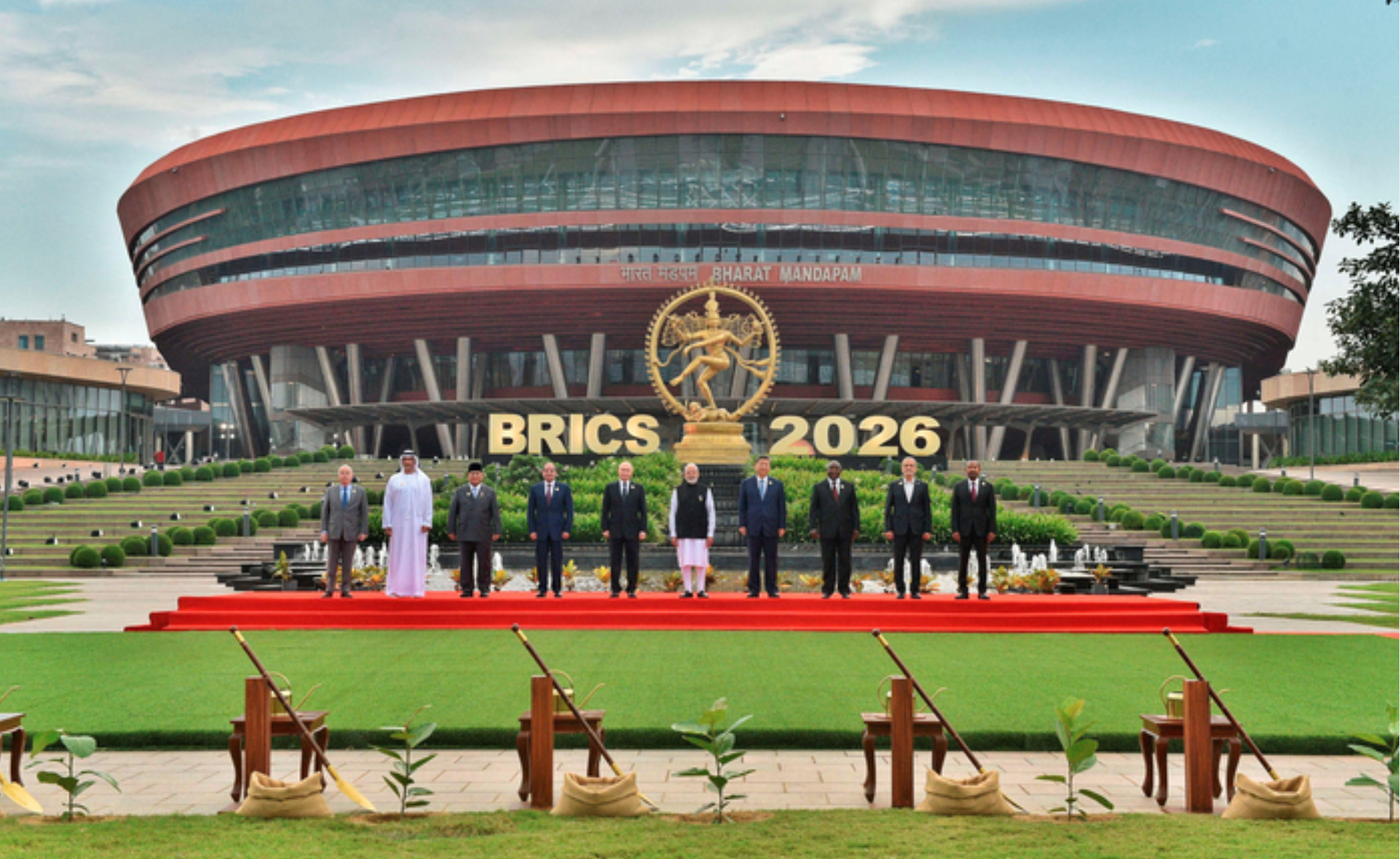
Just four months ago, India and Bangladesh seemed determined to move beyond the difficulties faced during the two-year transition of Mohammad Yunus. But former PM Sheikh Hasina’s audio address to her constituents via Delhi changed the mood. Can the realists and pragmatists in Delhi and Dhaka rebuild and strengthen a coalition of mutual interests?

Japan Ministry of Defense Courtesy: Japan Ministry of Defense
13 August 2026

Japan’s 2026 Defence White Paper

Japan’s recently-released defence white paper marks a significant turn in intent and policy. The country’s long focus on economic security is now blended with its defence capacity, bringing together foreign policy, intelligence, and economic, technological and industrial capacities into a “comprehensive architecture for national defence.” This is a new conception of national security in Japan.

Ludovic MARIN  AFP Courtesy: Ludovic MARIN / AFP
12 June 2025

Macron’s strategic Indo-Pacific sail

Macron’s 2025 tour of Southeast Asia was intended to reinforce France’s strategic commitment to the Indo-Pacific. By engaging with three key ASEAN members - Vietnam, Indonesia, and Singapore - France wants to forge partnerships beyond its traditional transatlantic ties. Its Indo-Pacific vision is based on its territorial presence, economic interests, and diplomacy values, which it hopes will be an alternative to the binary logic of U.S.-China rivalry.

Port-of-Matabari Courtesy: India Shipping News
24 April 2023

A new troika for India’s Northeast

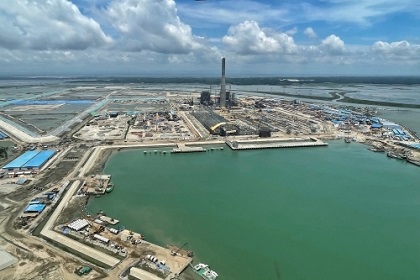
India’s Northeast is developing and getting close to its goal of being part of the Indian mainstream in connectivity and business – which is also critical for the success of India’s Act East Policy. For both goals, Bangladesh and Japan are invaluable partners and friends. The troika’s collaboration can be a model in the region.

1200px-Malabar_07-2_exercise Courtesy: Wikipedia
14 February 2017

A democratic quadrilateral in Asia?

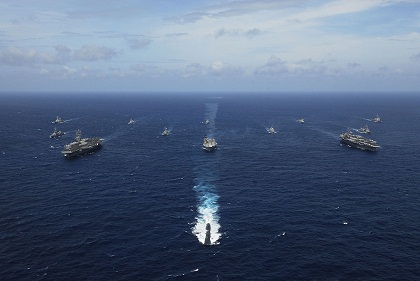
A strategic coming together of the U.S., Japan, Australia, and India was close to fruition some years ago, impelled initially by the tsunami of 2004. The spirit of the enterprise remains alive even now, and there are many merits in India joining the quad, but such an arrangement can skew existing Asian equations, jeopardising the Act East policy

2016 Courtesy: Gateway House
22 December 2016

2016 trends: from forecast to reality

2016 has been marked by unprecedented geopolitical dislocations and dispersals. In January 2016, Gateway House, identified the major emerging global trends. As the year comes to an end, several developments have confirmed these forecasted trends

Screen Shot 2016-11-03 at 12.10.04 PM Courtesy:
3 November 2016

U.S. Elections: Asia bets on predictability

With less than a week to go before the U.S. Presidential Elections, our special podcast series pivots to Asia where Ambassador Neelam Deo, Director at Gateway House, assesses the Asian perception of the election as well as which candidate is finding support across the region.

nuke power plant Courtesy: Pixabay
15 October 2015

Why India-U.S. energy ties are stuck

Even as India and Germany move ahead on energy cooperation, India-U.S. energy collaboration is stranded in the three key areas: nuclear power, shale gas, and solar energy. But with cheaper energy imports due to the fall in fossil fuel prices over the past 12 months, India can wait till it gets a better deal from the U.S.