WhatsApp Image 2026-07-23 at 4.05.12 PM Courtesy: India's World
23 July 2026

“There have to be some signals, some gestures from our closest neighbour, India”

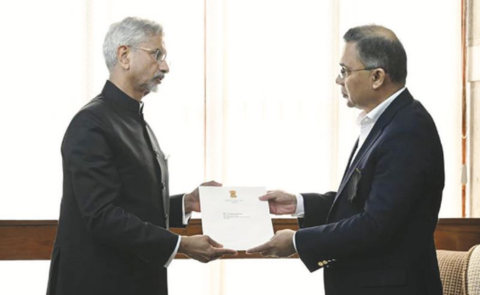
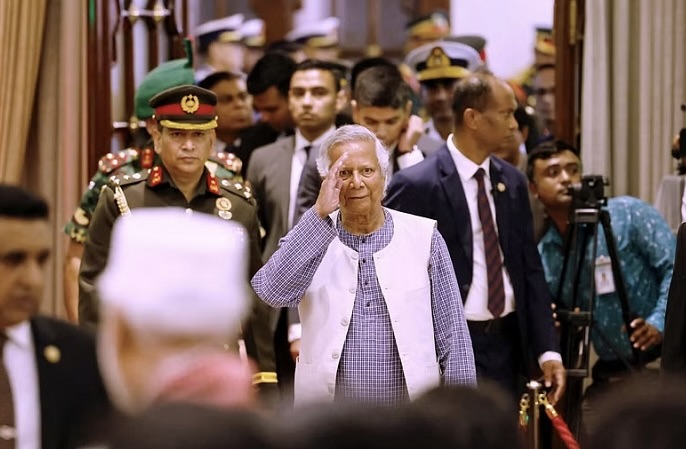
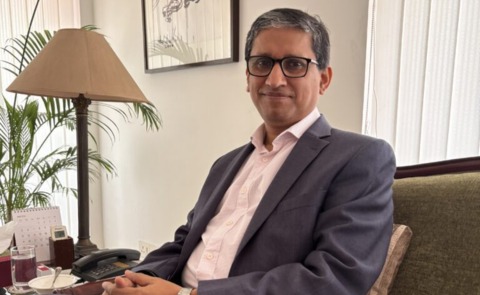
Prime Minister Tarique Rahman’s Bangladesh Nationalist Party will complete six months in office in August. His country faces multiple crises, with the Gulf War straining Bangladesh’s economy. In a sharp departure from previous practice, Rahman chose China for his first state visit even as anti-India rhetoric continued in Dhaka. It shouldn’t surprise, says Bangladesh’s departing High Commissioner to India, M. Riaz Hamidullah, speaking exclusively to Gateway House’s Nayanima Basu.
Website articles  (96) Courtesy: The Secretariat
20 May 2026

Interview with Sheikh Hasina

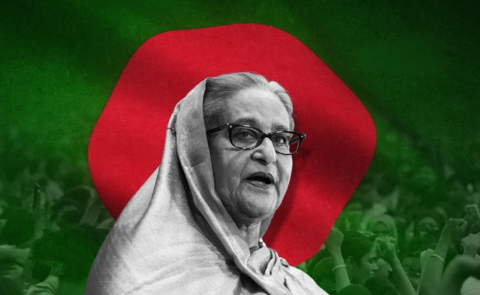
Bangladesh elected a new government in February this year after former long-time Prime Minister Sheikh Hasina was ousted from power in a violent mass protest on August 5, 2024. Her party, the Bangladesh Awami League, was banned from participating in this year’s election, which saw the return of the rival Bangladesh Nationalist Party (BNP) under Prime Minister Tarique Rahman. Hasina has been living in India since then and talks about her plans to return to Bangladesh and revive her party’s activities there. She spoke exclusively to Nayanima Basu.

Website articles  (76) Courtesy: X/ @bdbnp78
15 April 2026

Bangladesh’s bumpy road ahead

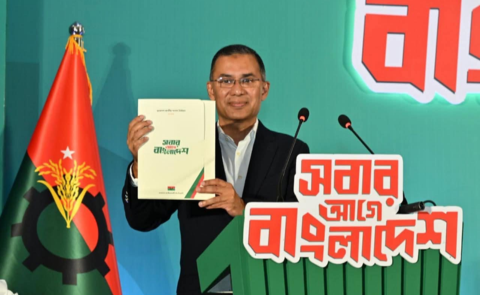
Bangladesh’s new government has been in power for two months now, and the challenges are immense. Yet Prime Minister Tarique Rahman is trying to balance a plethora of issues: energy shortages, an under-performing economy, a major constitutional reform, addressing corruption and introducing transparency and accountability – all the while putting “Bangladesh First.”

Website articles  (51) Courtesy: Gateway House
4 March 2026

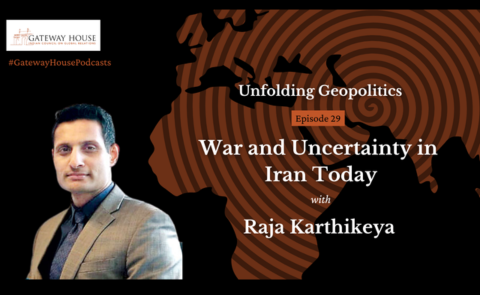
Unfolding Geopolitics Episode 29 |War and uncertainty in Iran today

The assumption that the Iranian public will rise up against its religious and political leadership, seizing the opportunity provided by Israel and U.S. strikes against Iran, may not prove true. Iran’s civilisational structure is resilient, and its educated population may not like being dictated to by the West. Raja Karthikeya, a former international civil servant based in Tehran, examines the escalating U.S.-Israel conflict with Iran, its regional and domestic implications and the tenacity of Iran’s political system amid external pressure.

Website articles  (50) Courtesy: Gateway House
4 March 2026

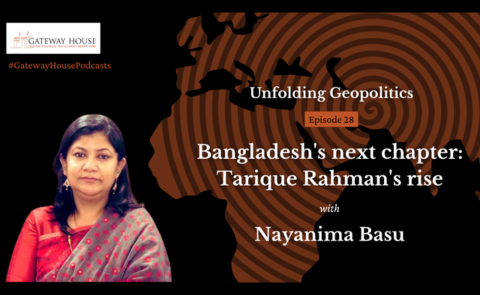
Unfolding Geopolitics Episode 28 |Bangladesh’s next chapter: Tarique Rahman’s rise

Tarique Rehman has been elected as the new Prime Minister of Bangladesh following the recent elections. Nayanima Basu, Adjunct Fellow at Gateway House, visited Bangladesh and shares her on-ground impressions of the country and its people, the continued influence of student movements, concerns over minority rights, and the resurgence of Jamaat-e-Islami. The future of India-Bangladesh ties must be closely watched as a new chapter begins, underscoring the need for a recalibrated, trust-based bilateral approach.

2 (2) Courtesy: Niamul Rifat
5 February 2026

Will Bangladesh polls achieve stability?

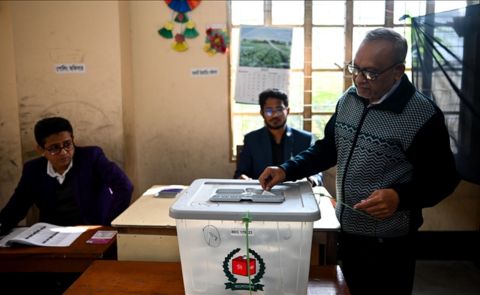
In less than a week, on 12 February, Bangladesh will witness one of its most consequential parliamentary elections. The same day, the people of Bangladesh will also vote on a referendum that seeks to overhaul the country’s governance structure. The outcome of both, whichever way they turn out, is likely to pull Bangladesh into a vortex of political turmoil.

Website articles  (37) Courtesy: GK newspaper
22 January 2026

Delhi and Dhaka can walk together

On 12 February, Bangladesh will go to the polls to choose a new leader. India should work to maintain a robust and cordial working relationship with the new regime as it did during Sheikh Hasina’s tenure. The new government in Bangladesh should prioritise eliminating anti-India sentiments before they become entrenched, to prevent security challenges for itself and the region.

The Muslim News Courtesy: The Muslim News
24 December 2025

How the West cheered Dhaka’s collapse

On December 18, Sharif Osman Hadi, a prominent leader of the 2024 student-led uprising, was assassinated. What began as protests against civil service quotas became a leaderless uprising. As Western powers celebrated a “democratic dawn”, Bangladesh slid into structured anarchy. Dhaka now faces two futures with terrifying clarity: one with elections skewed by military advantage and Islamist mobilisation, and the other by acknowledging that democracy cannot be airlifted.

Bangladesh-M-Yunus-Interim-Govt Courtesy:
15 August 2024

Stirring regime change in Bangladesh

The events of August 5 turned Bangladesh from a development model to unstable entity. A variety of players have been stirring trouble in the country, from within and without. Great powers and neighbours, NGOs and the diaspora, Islamist groups and armed forces. All these are entangled in the U.S.-China geopolitical rivalry that Bangladesh seems to be caught in.

Screenshot 2024-08-08 123844 Courtesy:
8 August 2024

Subcontinental upheaval

Sheikh Hasina’s recent ouster as the Prime Minister has highlighted the deep fissures in Bangladeshi society and pushed the subcontinent into political turbulence. Amb. Rajiv Bhatia, Distinguished Fellow for Foreign Policy Studies, Gateway House, speaks about the political, economic, and security implications the crisis in Bangladesh has for Indian foreign policy and geopolitics in the neighbourhood and beyond.