Nayanima Basu is a New Delhi-based journalist and author. She is experienced in international relations, strategic affairs, geopolitics and geoeconomics. She brings newsroom experience of over two decades, having worked at The Business Standard, Bloomberg Tax, The Hindu, The Deccan Chronicle and ThePrint. She has also contributed articles to several independent international publications. As a senior journalist, she is currently writing reports and analyses for publications such as ABP News, StratNews Global and The Hindu Business Line.
Her ground reportage from Afghanistan during the takeover by the Taliban in August 2021 won her praise from several media organisations and geopolitical experts. Her recently published book 'The Fall Of Kabul: Despatches From Chaos' by Bloomsbury India has received several accolades in Indian as well as international press. She has also won the AutHER Award for the book.
Basu has worked with the US-India Business Council under the US Chamber of Commerce for a special project as ‘Director for Public Policy’. She is a 'Visiting Researcher' at GIFU Women’s University, Japan.
Expertise
Foreign Policy, Security & Strategic Affairs, Intelligence, India and its Neighbourhood
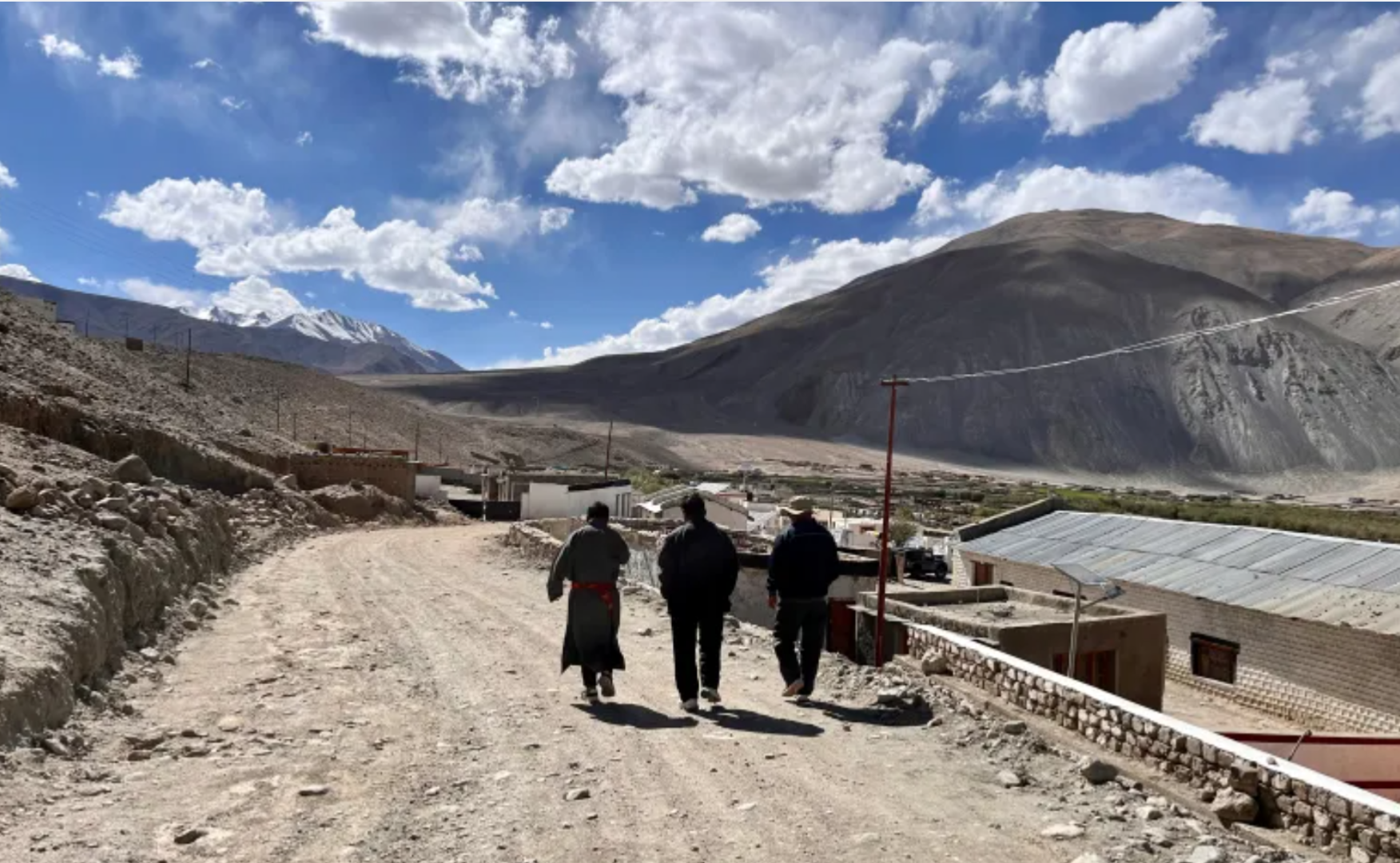
Ladakh is getting new districts, even a new High Court bench, but not the statehood it was promised by the Indian government when Article 370 and 35A were abrogated in August 2019. Seven years later, locals are restless and New Delhi has yet to find a permanent solution by way of a Constitutional guarantee.
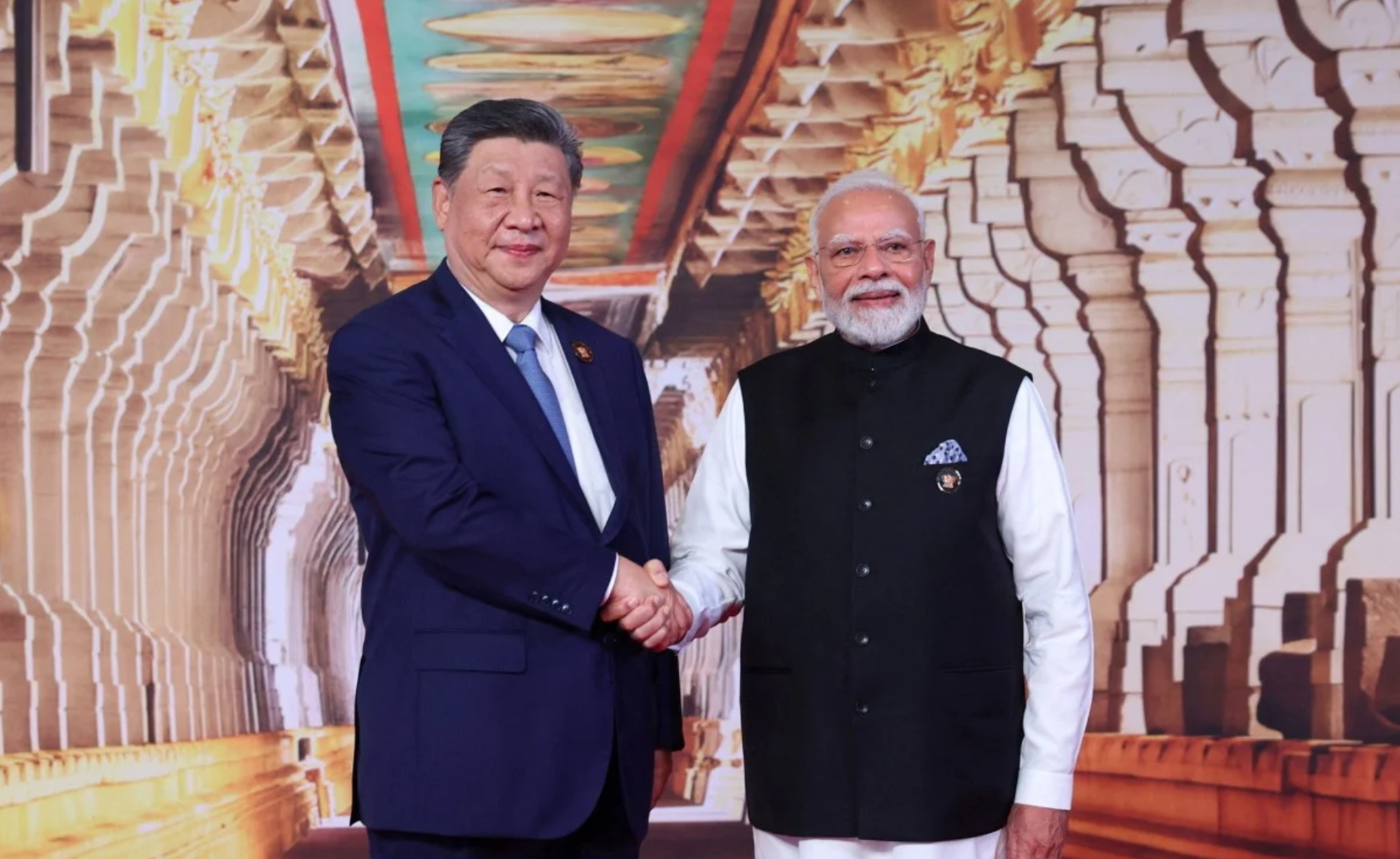
In less than 60 days, India and China held four major bilateral dialogues, all targeted at finding a solution to the boundary issue whilst maintaining peace on the border. In August, they held diplomatic level talks, followed by discussions between the Special Representatives, culminating in a first-of-its-kind Corps Commander-level flag meeting in early September. Finally came the bilateral meeting between PM Narendra Modi and Chinese President Xi Jinping.
India’s Eurasian shift will play itself out in the upcoming BRICS Summit. This is in contrast to just four years ago, when India cultivated the West, especially the U.S., in the aftermath of the 2020 Galwan clashes. Now with the U.S.’ tough tariffs and trade negotiations, India has made space to lean towards the Eurasian groupings, emphasising its long-held foreign policy principle of strategic balancing.
The proposed Bilateral Trade Agreement (BTA) between India and the U.S. aims to enhance trade relations by reducing barriers and increasing cooperation in various sectors. But negotiations have reached an impasse largely due to the tariffs implemented during Trump's second administration. India is maintaining a firm stance on key issues rather than softening its position.
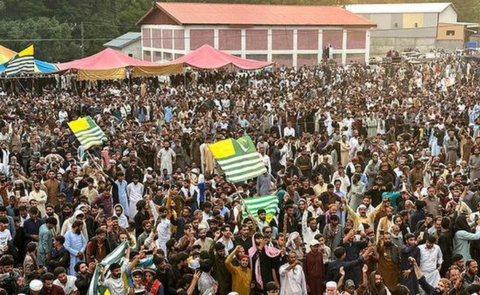
The ongoing and violent protests in Pakistan-occupied Kashmir have multiple reasons, but the most contentious is the demand to abolish 12 legislative assembly seats that are reserved for refugees from Indian-administered Kashmir. Islamabad’s civil-military establishment is unlikely to give in to the protestors: these seats allow them to hand-pick winners and control government formation in Muzaffarabad, bypassing local resident voters entirely.
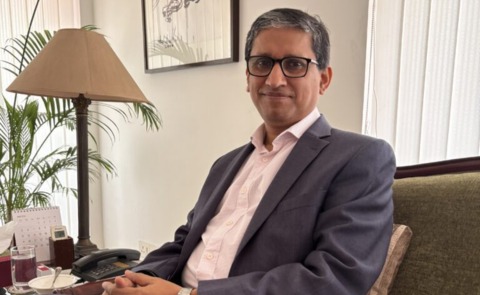
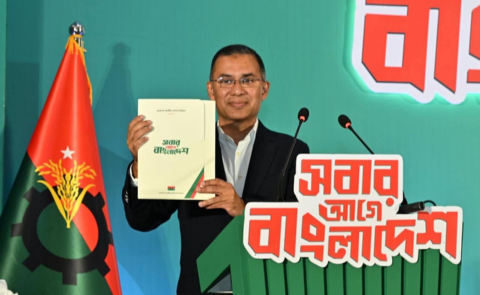
Prime Minister Tarique Rahman’s Bangladesh Nationalist Party will complete six months in office in August. His country faces multiple crises, with the Gulf War straining Bangladesh’s economy. In a sharp departure from previous practice, Rahman chose China for his first state visit even as anti-India rhetoric continued in Dhaka. It shouldn’t surprise, says Bangladesh’s departing High Commissioner to India, M. Riaz Hamidullah, speaking exclusively to Gateway House’s Nayanima Basu.
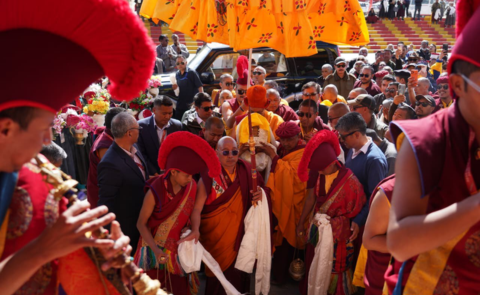
The arrival of the sacred Piprahwa relics in Leh in May 2026 was more than a religious event; it was a powerful act of cultural reclamation and civilisational diplomacy. Linked to the Buddha’s Sakya clan, the relics reaffirm India’s place as the birthplace of Buddhism while sending a strong signal to China. As Beijing increasingly politicises Tibetan Buddhism and the Dalai Lama’s succession, this heritage carries growing geopolitical significance.
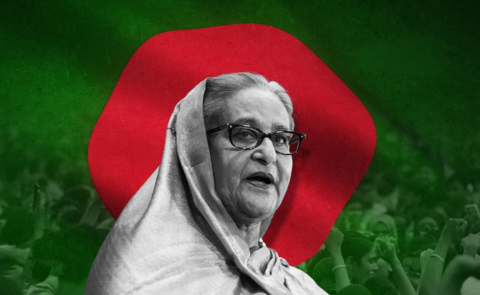
Bangladesh elected a new government in February this year after former long-time Prime Minister Sheikh Hasina was ousted from power in a violent mass protest on August 5, 2024. Her party, the Bangladesh Awami League, was banned from participating in this year’s election, which saw the return of the rival Bangladesh Nationalist Party (BNP) under Prime Minister Tarique Rahman. Hasina has been living in India since then and talks about her plans to return to Bangladesh and revive her party’s activities there. She spoke exclusively to Nayanima Basu.
Bangladesh’s new government has been in power for two months now, and the challenges are immense. Yet Prime Minister Tarique Rahman is trying to balance a plethora of issues: energy shortages, an under-performing economy, a major constitutional reform, addressing corruption and introducing transparency and accountability – all the while putting “Bangladesh First.”
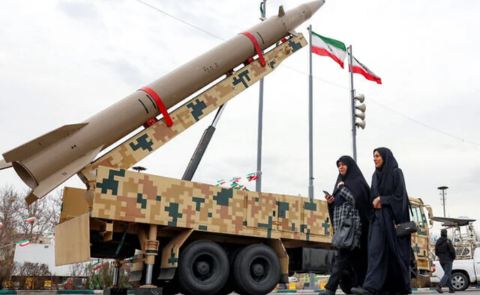
The U.S.–Israel war against Iran will alter the geopolitical landscape of West Asia and adversely impact the global economy, including India. Vali Nasr, Majid Khadduri Professor of International Affairs and Middle East Studies at Johns Hopkins University School of Advanced International Studies, analyses the conflict and its implications in an exclusive conversation with Nayanima Basu.