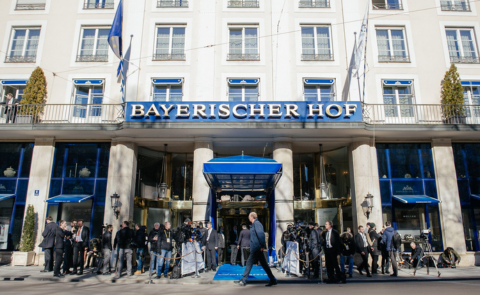
Website articles  (48) Courtesy: Bayerischer Rundfunk
25 February 2026

Munich diary: Europe at the crossroads

During the week of the Munich Security Conference, Munich transformed into a temporary capital of global diplomacy. Gateway House participated and hosted a Side Event, “Multipolarity without Multilateralism: India, Europe and the Future of Global Order” on February 14. This diary captures observations from the conference and the city, reflecting on Europe’s evolving priorities and how the continent assesses its role in an increasingly fragmented world.
News on Air (4) Courtesy: DD News
29 January 2026

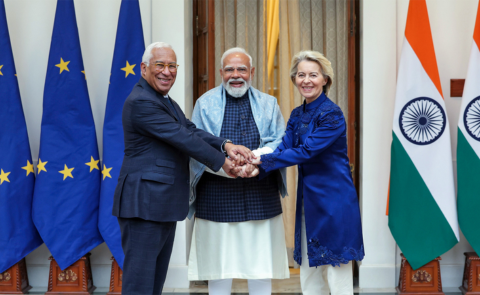
The European pivot to India

By signing the EU-India Free Trade Agreement on January 27, the ties that bind India and the European collective have been re-energised. They are now set to reach new heights, while overcoming past hesitations and divergences.

trump - japan Courtesy: Kent Nishimura/Reuters
24 July 2025

The Trump effect in Japan

The political setback by the ruling coalition in Japan in the July 20 Upper House elections reflects growing frustration with the mainstream political parties. Young people frustrated with high costs have resulted in a fragmentation of Japan’s political landscape, and the rise of the right. The “Trump effect” has found fertile ground in Japan’s political soil.

20240603PHT21803_original Courtesy:
13 June 2024

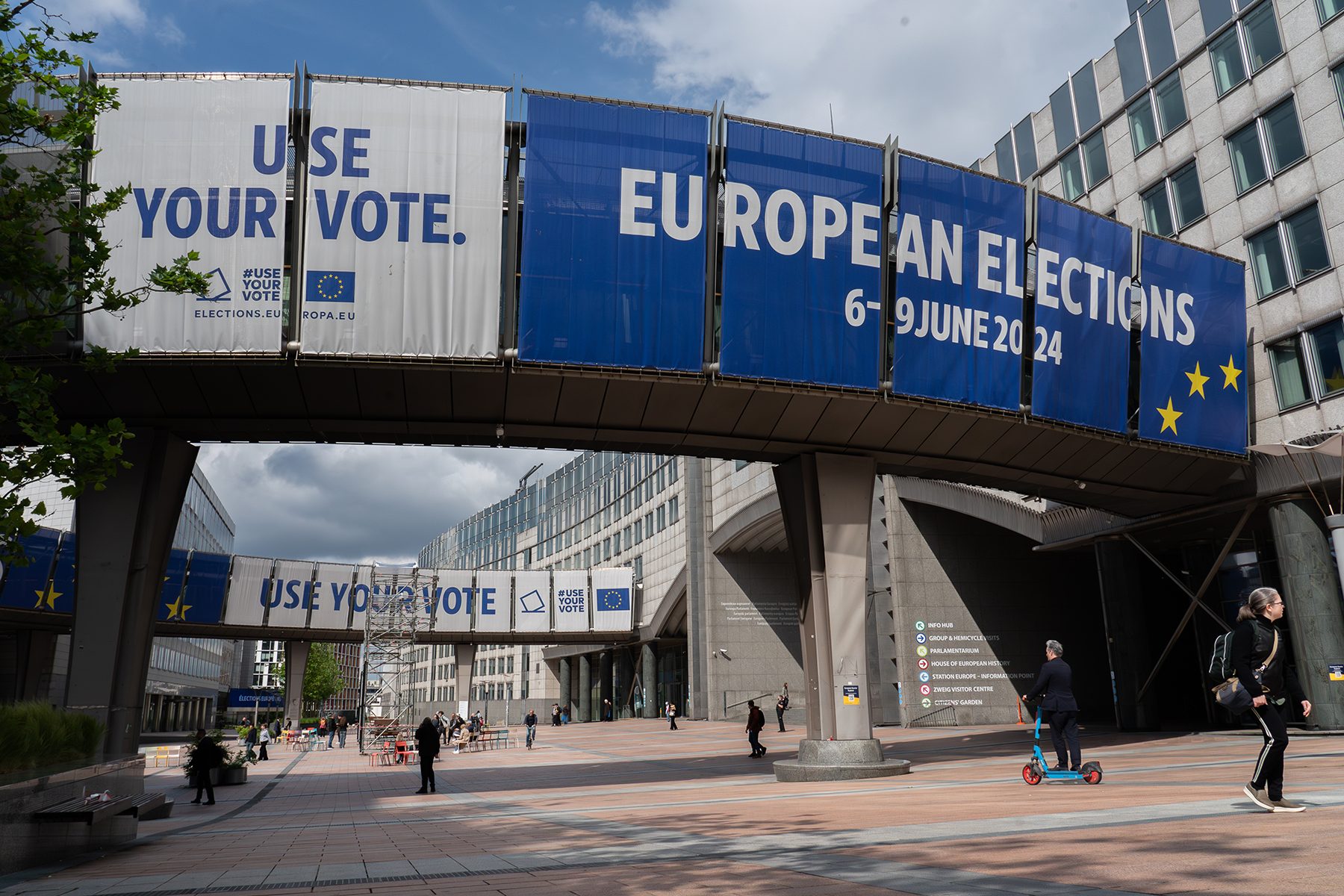
What the EU elections mean

The European Parliament elections have thrown up a win for the right-wing parties – quite a change from the previous centre-left composition. There will be repercussions for the EU and domestic policies of the member countries. Is this election an indication of a future Europe turning right, or is it a reaction to domestic situations individually within states?

OladXModi Courtesy: Getty Images
21 March 2024

Still not weatherproof

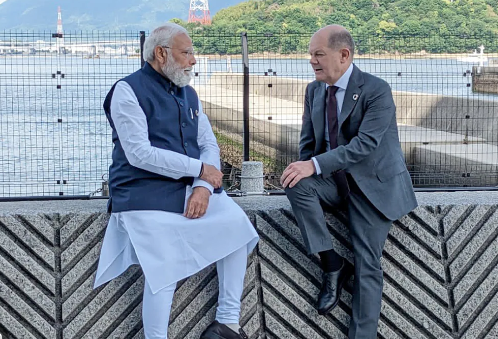
Germany is India's largest trade and economic partner in the EU, but the relationship with France is a class apart, given its strength in military aviation and willingness to be a differentiated member of the West. Must this remain so? If Germany and the EU would be more understanding of India’s democracy and its role in upholding a rules-based order, their relations would be greatly improved.

india eu japan Courtesy: Institute for Security & Development Policy
11 January 2024

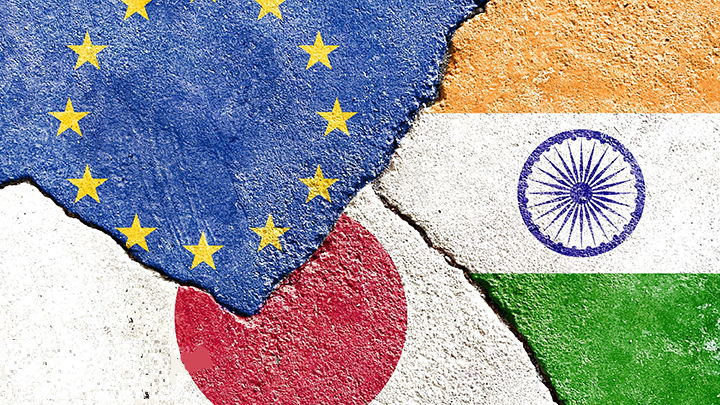
Comparing Japan and EU in India

Japan and the EU have a stable and long engagement with India. As India grows in economic and geopolitical significance, both partners must change the lens they view India with. Japan has done better, especially with investment, and because of a common interest and activity in the Indo-Pacific. The EU is driven by Brussels still and needs must overcome that limitation to better leverage India.

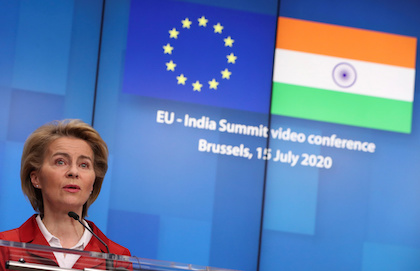
European Commission President Ursula von der Leyen speaks during a news conference in Brussels on July 15, 2020, after a virtual summit with the Indian Prime Minister. (Photo by YVES HERMAN / POOL / AFP) (Photo by YVES HERMAN/POOL/AFP via Getty Images) Courtesy: CSIS
9 November 2023

Europe’s Challenges in the Indo-Pacific

Europe's increased focus on the Indo-Pacific and the deepening economic and technological collaboration with India offer mutual benefits. However, the EU's ambivalent approach towards China, and the desire of most European states to maintain neutrality in the U.S.-China rivalry might not be sustainable in the long run.

Eu Gas Pipeline Courtesy: Reuters
11 August 2022

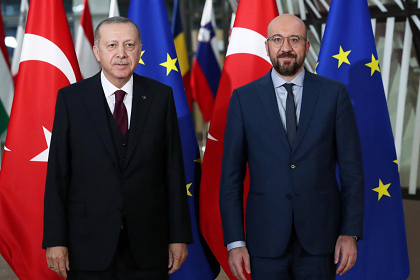
Turkey: Europe’s new gas hub?

The Ukraine crisis has sent the EU scrambling for new gas supplies, generating fresh interest in gas pipelines from Central Asia and West Asia via Turkey. Practical difficulties make most of these new projects unviable.

187164 Courtesy: The Guardian
7 April 2022

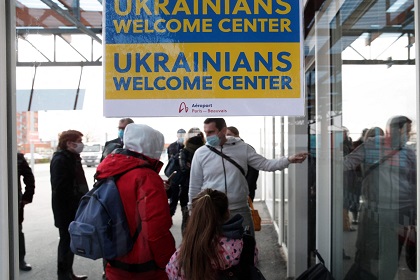
Ukrainian refugees: EU rhetoric or paradigm shift

The unprecedented consensus within the EU in accepting Ukrainian refugees presents it as a global humanitarian power. But is this truly a ‘paradigm shift’ or is it a continuation of the West European Cold War strategy, based on a moral high ground narrative, of accepting people who had fled the ‘evil and undemocratic’ Soviet-bloc countries during and after World War II?