Kenny Holston  AP Courtesy: Kenny Holston / AP
4 June 2026

China trumps the U.S.?

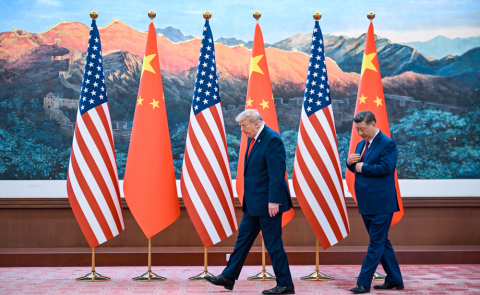
President Donald Trump’s May 13-15 visit to China was set against the backdrop of the ongoing U.S.-Israel-Iran conflict. Though the agenda was an economic one, Beijing used the occasion to project itself as a stabilising power, urging dialogue between Washington and Tehran. The visit did produce agreements on trade and investment, but the absence of a joint statement and differing priorities exposed persistent tensions. In this tale of two visits, China seems to have trumped the U.S.
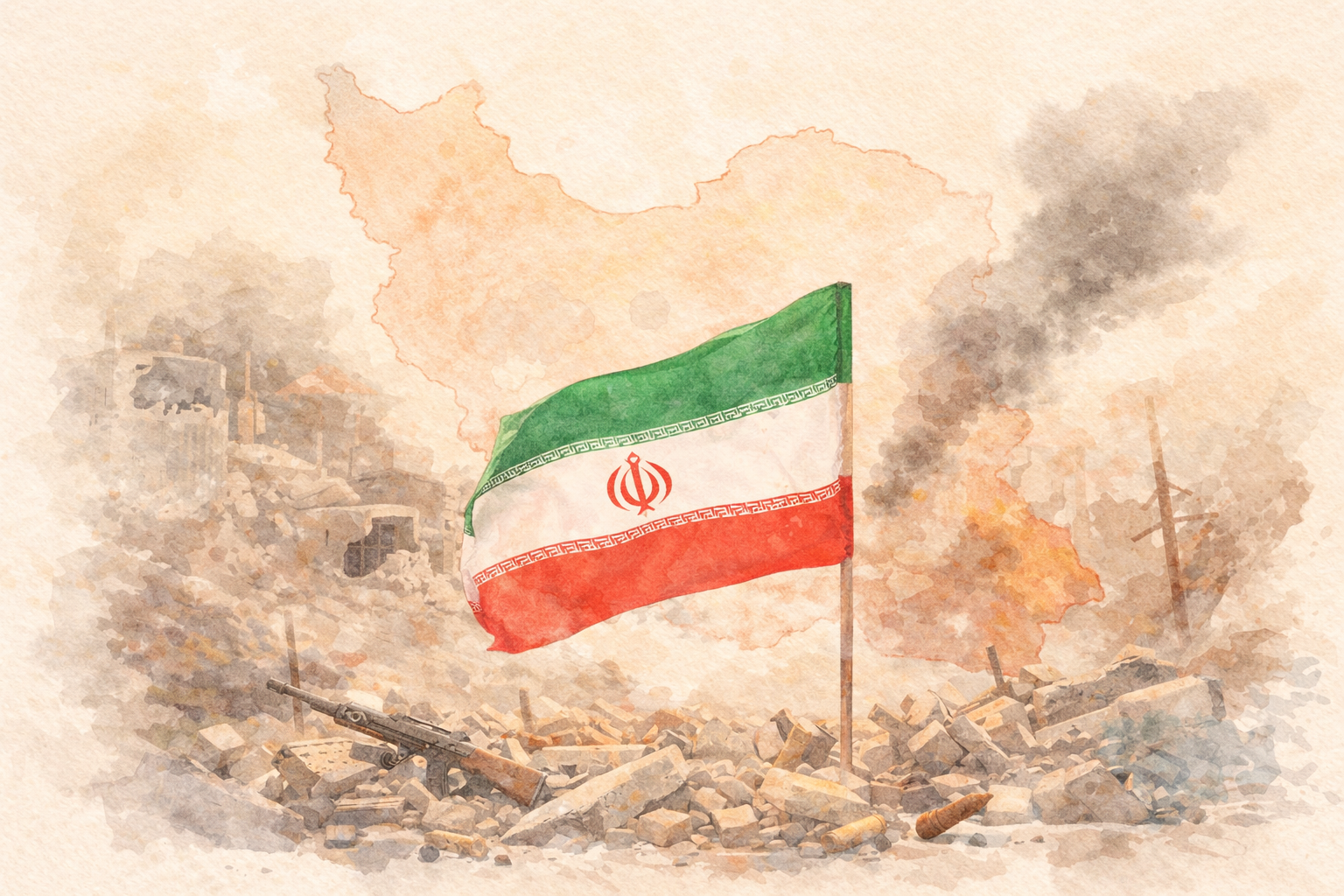
20260415_1714_Minimalist Iran Conflict Illustration_remix_01kp8f9nksftqrj3zntfnpktpe Courtesy: Gateway House
15 April 2026

How did Iran fight this war?

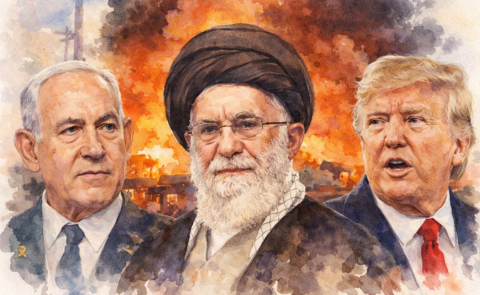
The West Asian conflict is raising questions about Iran’s performance. Tehran appeared well-prepared, having expanded its low-cost drone and missile capabilities. It also widened the conflict by targeting U.S. bases in the Gulf. The key lesson is that eliminating leadership does not guarantee regime change. The conflict underscores that modern warfare depends not just on battlefield gains, but also on economic resilience, trade leverage, and technological strength.

Website articles  (68) Courtesy: AFP
2 April 2026

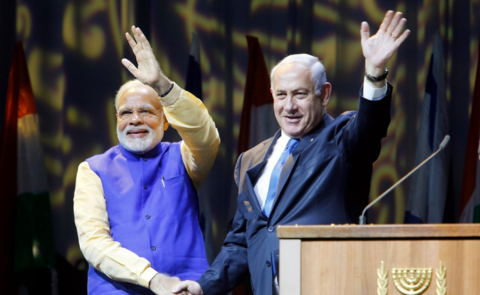
Modi’s Israel visit brings defence and tech

It is important to take an objective review of PM Modi’s visit to Jerusalem and its implications for India’s security. New Delhi will have to demonstrate its strategic autonomy by managing heterogeneous and often contrapuntal relationships and strike a balance in its ties with the U.S. and Israel on the one hand and Iran and the Arab world on the other hand.

Website articles  (52) Courtesy: AFP
9 March 2026

Iran regime change unlikely

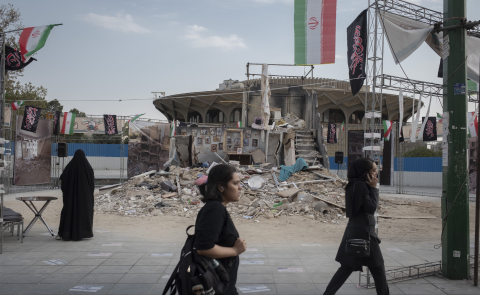
The U.S.–Israel war against Iran will alter the geopolitical landscape of West Asia and adversely impact the global economy, including India. Vali Nasr, Majid Khadduri Professor of International Affairs and Middle East Studies at Johns Hopkins University School of Advanced International Studies, analyses the conflict and its implications in an exclusive conversation with Nayanima Basu.

Website articles  (13) Courtesy: Gateway House
5 March 2026

The geometry of attrition: Iran-Israel-U.S. theatre

Early indicators of the ongoing war in West Asia point to a conflict trajectory from the rapid decision to the controlled escalation to distributed strike capacity, advanced military integration and mounting regional exposure. Much like Johann Goethe’s Sorcerer’s Apprentice, conflicts initiated based on assumptions of control can acquire a momentum of their own.

Website articles  (11) Courtesy: Shutterstock
5 March 2026

West Asia conflict: who benefits?

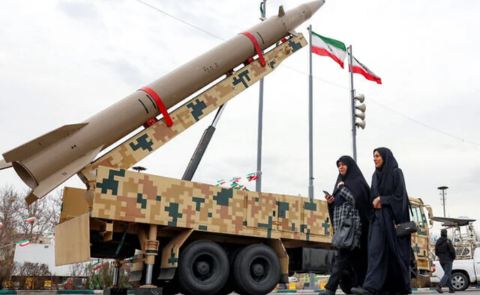
The U.S. and Israel launched precise airstrikes on Iran, targeting nuclear facilities and senior leadership. Their aim is to weaken Iran’s nuclear programme and potentially induce regime change, while Tehran’s priority remains regime survival. The conflict’s duration will depend on whether it remains limited to missile exchanges or escalates into asymmetric warfare.

indo pacific  (7) Courtesy: Daily News Egypt
31 July 2025

Egypt positions its foreign policy

Egypt sits at the intersection of three continents and two seas, and its foreign policy is a geographic, historic and strategic consequence. From Tripoli to Kortum, Addis Ababa to Brussels, New Delhi to Moscow, Beijing to Washington, Cairo employs diplomacy as a key national security tool, positioning itself as a cornerstone of geopolitical stability within an increasingly multipolar world.

ADEM ALTANAFP via Getty Images Courtesy: Adem Altan/AFP via Getty Images
3 July 2025

Iran’s second chance to transition

Iranian foreign policy must move toward strategic autonomy and internal concord. As witnessed after the 1988 ceasefire with Iraq, such moments can mark an inflexion point - one that prioritises national reconstruction, resilience, and welfare; strategic recalibration, strengthening of confidence, and finding a geopolitical identity. Iran has been there before, and can apply those experiences again.

Website articles  (18) Courtesy: Reuters photo
28 May 2025

Strategy meets statecraft: Trump in Riyadh

Presidential visits abroad are high-level instruments of statecraft and, more often than not, signals of geopolitical priorities. The recent visit of U.S. President Donald Trump to the United Arab Emirates, Saudi Arabia, and Qatar, exemplified this, indicating the administration's policy orientation.