the influence of phil in the UN  (1) Courtesy: Debarpan Das
5 February 2026

Influence of philanthropies in the UN

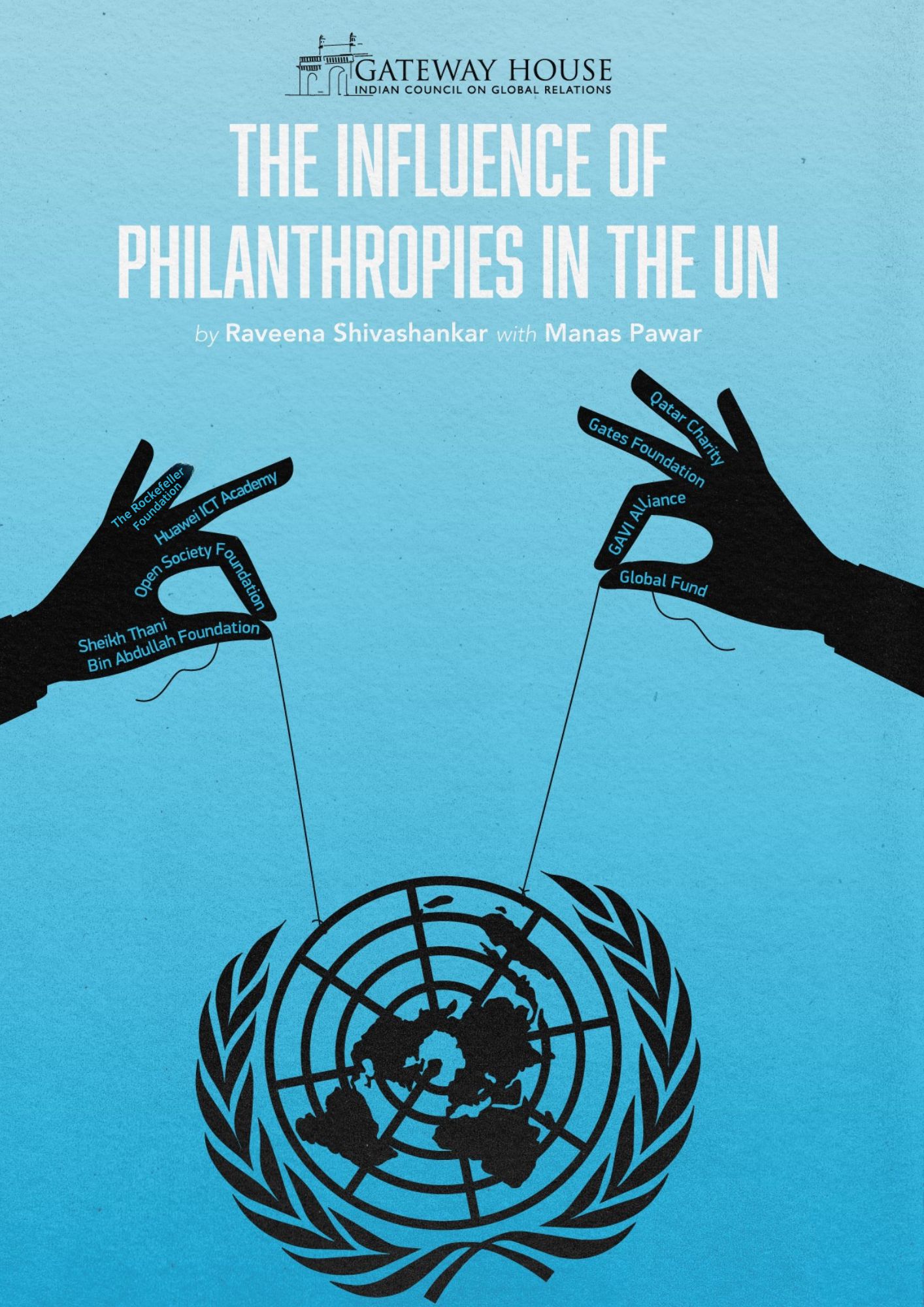
Over the last few decades, countries have stopped, delayed, or withheld their UN dues. The UN’s increasing financial needs have led to the acceptance of “voluntary” contributions. Those which come from any entities or individuals and are now its largest income stream. The biggest of these donors are the global philanthropies, which often have differing agendas from the UN’s responsibilities. This report studies these contributions and examines the linkages between donor priorities and UN mandates.

IMEC map with source Courtesy: The China-Global South Podcast
19 June 2025

U.S.-China rivalry: Middle Powers’ playbook

In the current era of geopolitical uncertainty, the Middle Power states are deepening engagement with countries of the Global South while reducing their exposure to the U.S. and China. Manjeet Kripalani and Carlos Coelho spoke to Eric and Cobus from The China-Global South Podcast, on how countries like India and Brazil are navigating this increasingly contested world.

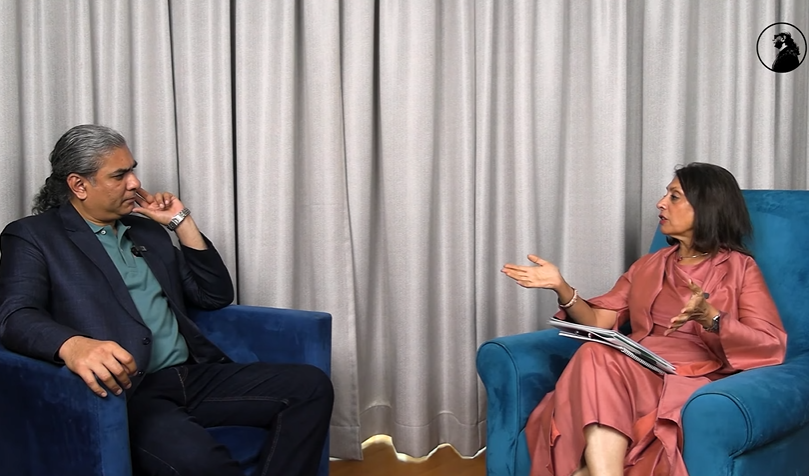
podcast MK Courtesy: Abhijit Chavda Podcast
27 May 2025

Emerging Middle Powers beyond U.S. and China

The rules-based world, perceived to be functional till last year, seems broken, giving way to an increasingly multipolar order. Manjeet Kripalani, Executive Director, Gateway House discusses in the Abhijit Chavda podcast, how emerging middle powers like India, Brazil, and Indonesia to name a few, have the heft to rewrite the rules of global trade and reform, away from U.S. and China.

Chavda Pod Courtesy: Abhijit Chavda Podcast
11 April 2024

West must listen to emerging middle powers

Emerging middle powers like India, Brazil and South Africa are articulating their interests on the global stage with growing assertiveness. Manjeet Kripalani, Executive Director, Gateway House, joins Abhijit Chavda on his eponymous podcast to discuss changing dynamics between the West and the Global South, and how western and emerging middle powers can collaborate on shared priorities like multilateral reform, technology transfer and international trade.