Raveena Shivashankar is the Digital Media Associate at Gateway House, where she oversees publications and digital outreach and contributes to ongoing research projects. She has four years of experience across branding, marketing, public relations, copywriting, and research support, with a focus on strategic communications and content development. She holds a Bachelor’s degree in Political Science from K. J. Somaiya College of Arts and Commerce, Mumbai. Her interests include foreign policy, media, political dynamics, geopolitical developments, multilateral diplomacy, and soft power.
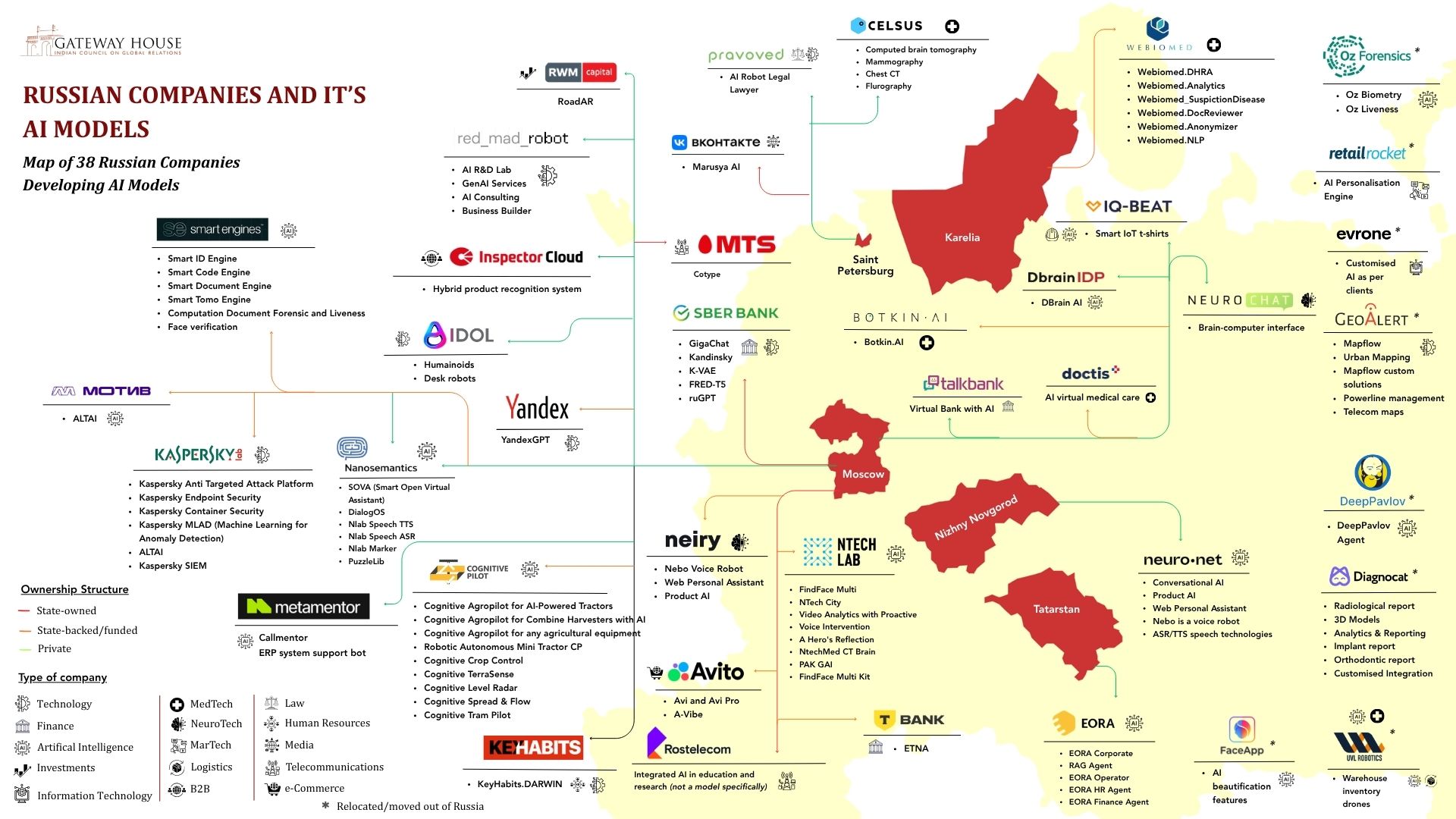
At the St. Petersburg International Economic Forum in June, President Vladimir Putin reiterated that Russia is building a sovereign AI ecosystem. Despite Western sanctions and the brain drain following the Ukraine war, Moscow continues to support AI startups and SMEs through state-backed funding. There are 38 Russian AI companies, and it is worth analysing their backgrounds, classifications, and the links between them and the Russian state.
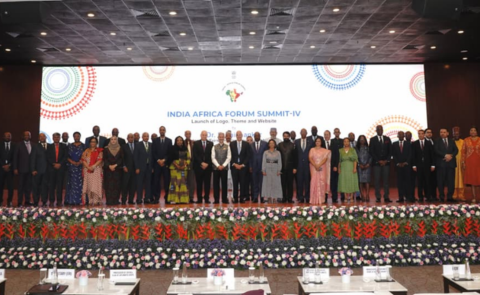
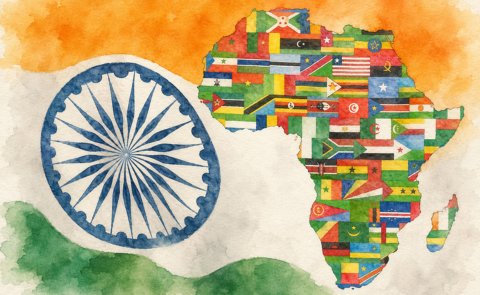
Africa is central to India’s foreign policy, a priority expected to be reaffirmed at the upcoming India–Africa Forum Summit. The much-anticipated event will focus on deepening economic partnerships and expanding strategic cooperation. Ahead of the summit, it is necessary to take stock of the current state of the continental engagement, particularly in trade, investment, technology, and capacity-building.
The Fourth India-Africa Forum Summit (IAFS-IV) will take place in New Delhi from May 28-31, 2026. It is being held at a time when Africa has actively engaged with several other major partners, placing high expectations on India. Over the last 18 years, the India-Africa partnership has had ambitious goals and some outcomes across diplomacy, trade, education, capacity building, health, and infrastructure development. This will deepen.
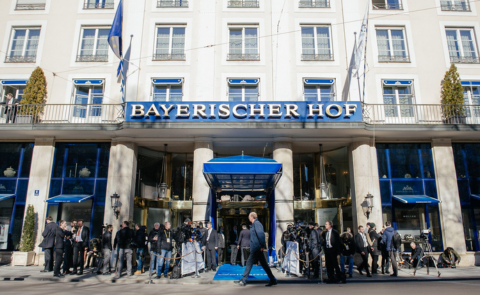
During the week of the Munich Security Conference, Munich transformed into a temporary capital of global diplomacy. Gateway House participated and hosted a Side Event, “Multipolarity without Multilateralism: India, Europe and the Future of Global Order” on February 14. This diary captures observations from the conference and the city, reflecting on Europe’s evolving priorities and how the continent assesses its role in an increasingly fragmented world.
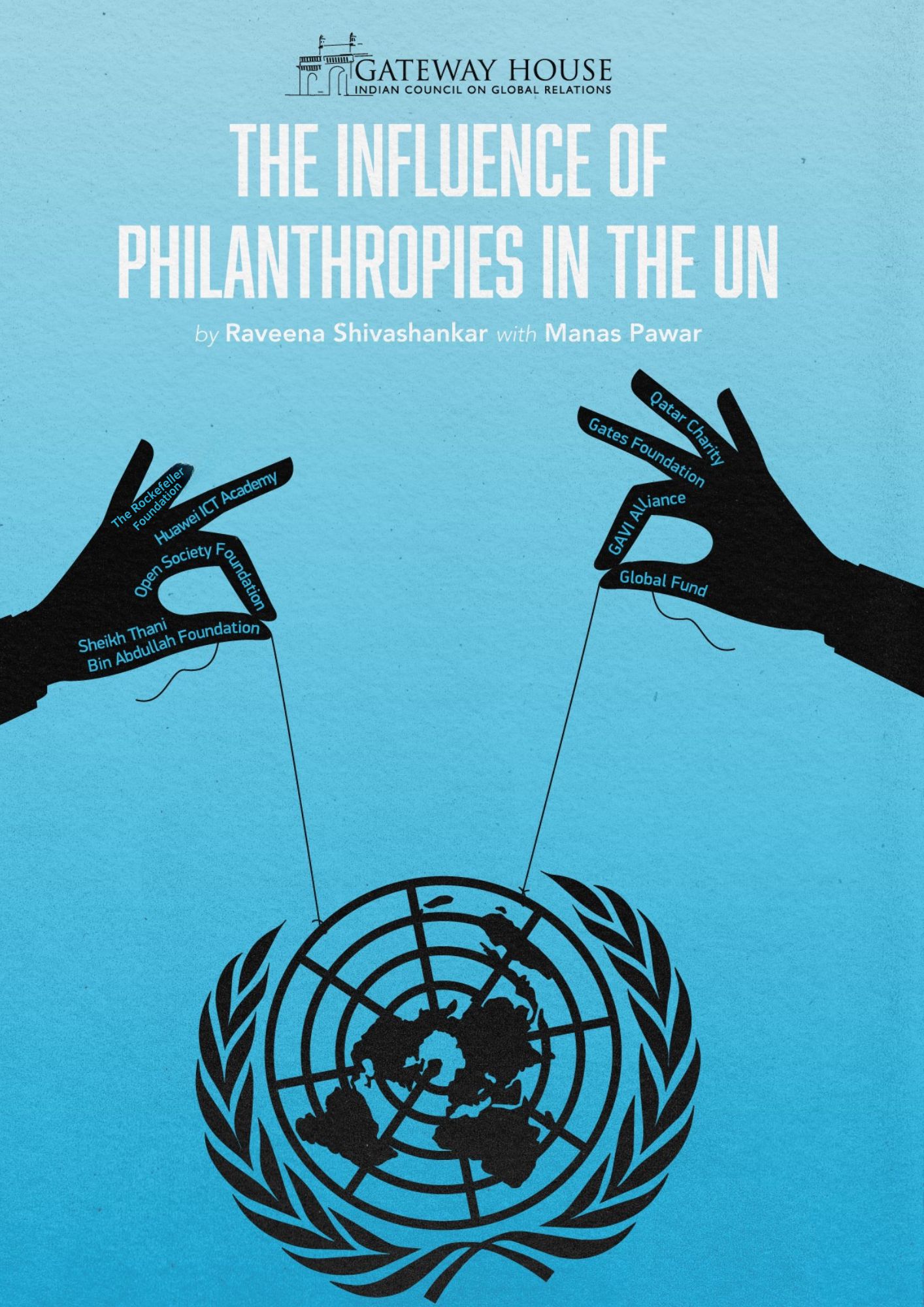
Over the last few decades, countries have stopped, delayed, or withheld their UN dues. The UN’s increasing financial needs have led to the acceptance of “voluntary” contributions. Those which come from any entities or individuals and are now its largest income stream. The biggest of these donors are the global philanthropies, which often have differing agendas from the UN’s responsibilities. This report studies these contributions and examines the linkages between donor priorities and UN mandates.
On January 7, 2026, the U.S. government announced its withdrawal from 31 UN organisations. This is a shock to the UN system. Several other countries have halted or only partially paid their dues over the years, creating a major funding gap. To cover for it, the UN has turned to “voluntary contributions” which come from philanthropic and private actors. Their misaligned mandates are distorting UN priorities.
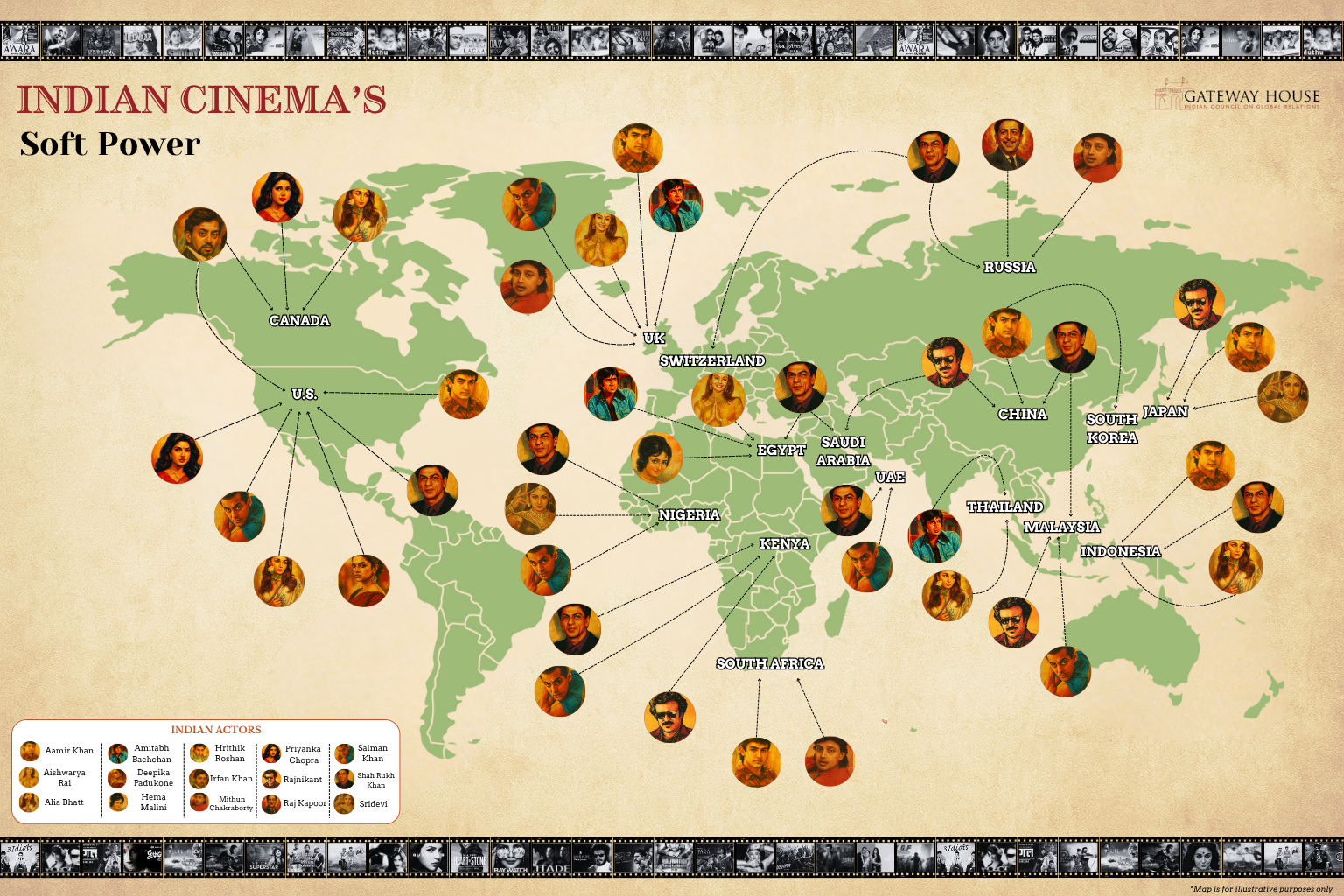
As India seeks leadership in a multipolar world, cultural credibility is as vital as economic clout. Cinema gives India an edge with vivid storytelling, music, and empowering narratives, fostering understanding in a polarised world. Its popularity correlates with trade, as seen in the U.S., Russia, and Middle East. The more popular the cinema, the bigger the boost to trade.