

Arriving in Munich for the first time during the week of the Munich Security Conference (MSC), held from February 12 to 15, felt less like entering a metropolitan city and more like stepping into a temporary capital of global diplomacy. Gateway House was invited to participate, and hosted a Side Event, “Multipolarity without Multilateralism: India, Europe and the Future of Global Order,” on February 14.
Foreign policy was in the air, and on the ground. Hotels were filled with diplomats and policy experts, cafés and restaurants transformed into spaces for negotiations and discussions, and the streets were lined with tight security and media. Black-car convoys continuously transported high-level delegates to the main venue – Hotel Bayerischer Hof at Promenadeplatz. The impressive Neo-Renaissance structure which opened its doors for guests like Sigmund Freud and Empress Elisabeth of Austria, was almost completely destroyed in 1944, but was rebuilt and reopened in 1961. It has hosted the MSC since 1963, when the conference was first launched.
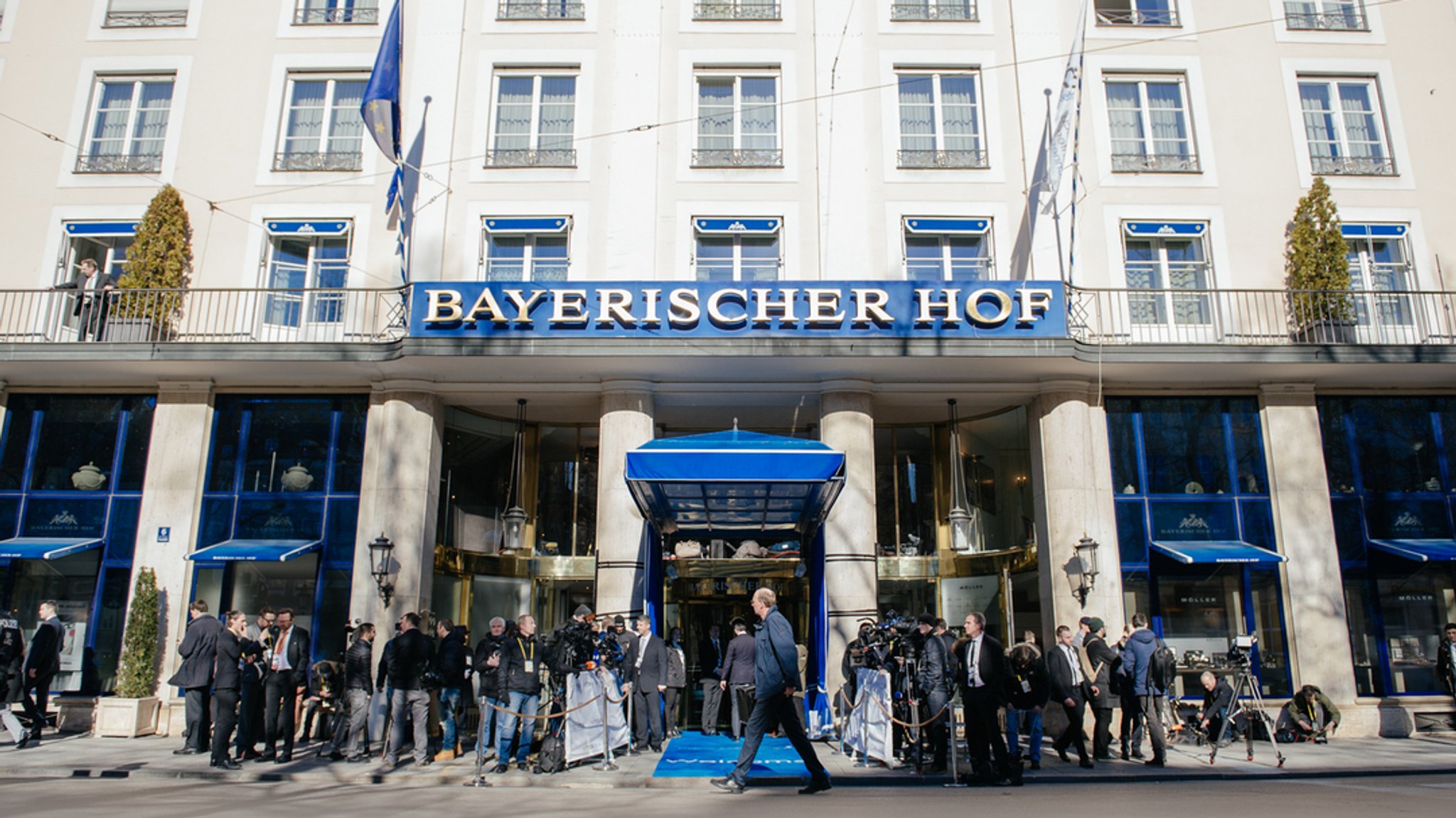
Source: Bayerischer Rundfunk
For someone travelling from Mumbai, India’s financial capital and a city of relentless economic energy, Munich presented a striking contrast: a diplomatic hub full of strategic anxiety in the air where leaders grappled with what comes next.
Gateway House’s side event at the MSC offered an opportunity to observe the formal discussions and informal exchanges that often reveal how policymakers truly view the world.
The insights gained were remarkable. Conversations across venues painted a picture of a Europe reassessing its role in an increasingly fragmented international system and its desire for greater self-reliance. Yet many acknowledged how difficult this remains due to Europe’s continued dependence on China and the U.S.
Europeans acknowledge this. The Continent relies on external energy sources. It aspires to re-establish itself as a manufacturing hub, but structural dependencies and high costs, lower investments, and strict regulations pose significant challenges. Similarly, while the Continent holds strong potential in energy development and innovation, its ambitions are often constrained by the demands of its climate commitments and strict regulatory frameworks.
Munich: a city of industry and transition
How did Europe get to this point? Some answers are visible in Munich, the capital of Bavaria, which embodies Germany’s industrial success story. It is Germany’s industrial powerhouse, home to its famous Mittelstand[1] companies. It has advanced manufacturing, automotive innovation led by companies such as BMW, Audi and Airbus, and engineering excellence, all representing Europe’s post-war economic strength.
This prosperity is now jeopardised, and there is a growing debate about Europe’s economic future.
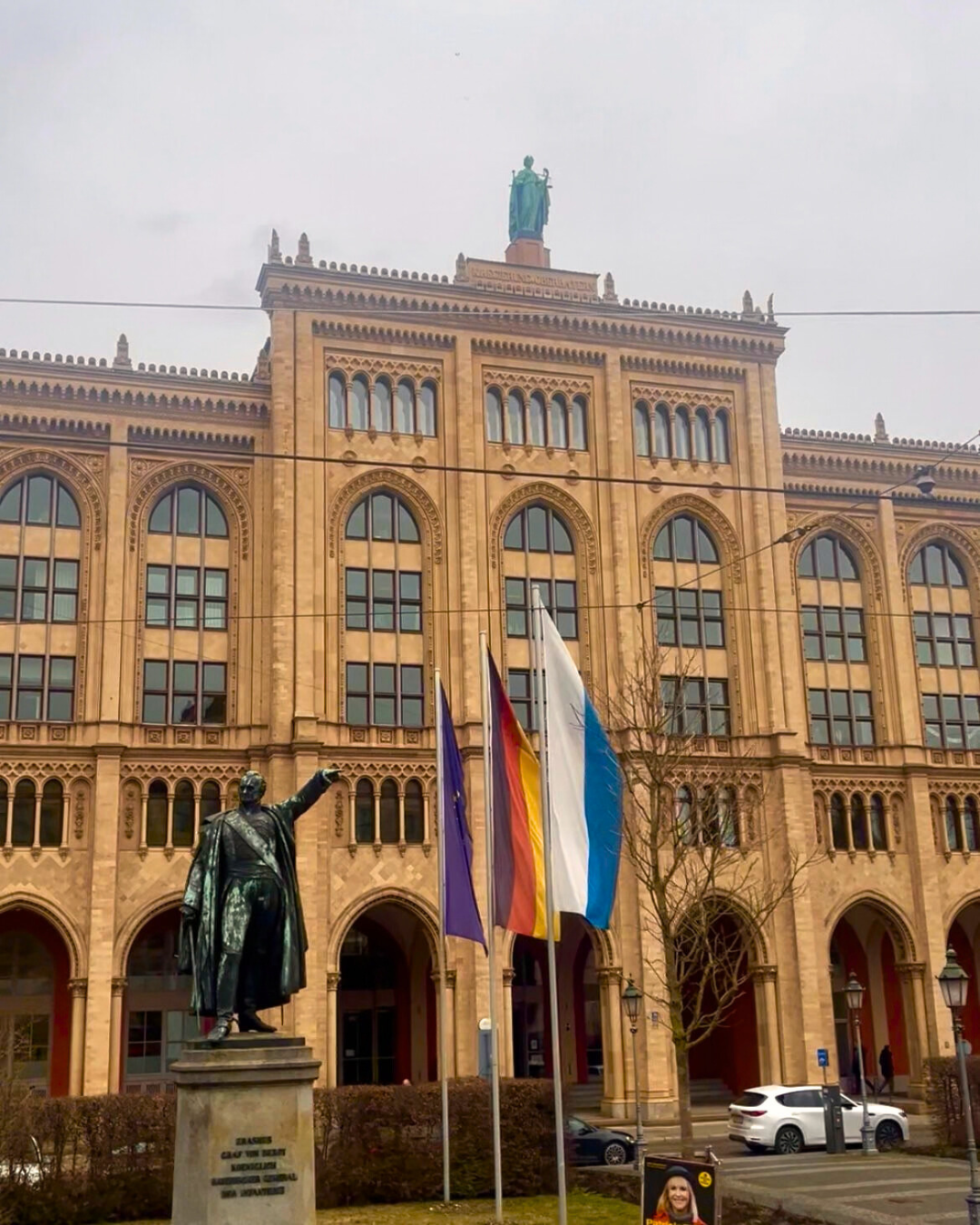

Bavaria’s rapid industrialisation after World War II was fuelled by government initiatives, a refugee influx, and infrastructure improvements, turning it from a war-torn, agriculture-dominated region into Germany’s economic engine. After the war, Bavaria faced natural disadvantages like mineral shortages and poor transport but overcame them through hydroelectric power development and oil pipelines from Mediterranean ports.[2] Attracted by the growth, an influx of refugees from the Sudetenland (the German-speaking region of then Czechoslovakia) and Eastern Europe arrived.
Soon Munich became the epicentre and the largest industrial centre in Bavaria, with manufacturers of precision optical and electrical equipment, machinery, motor vehicles, aircraft, and clothing.
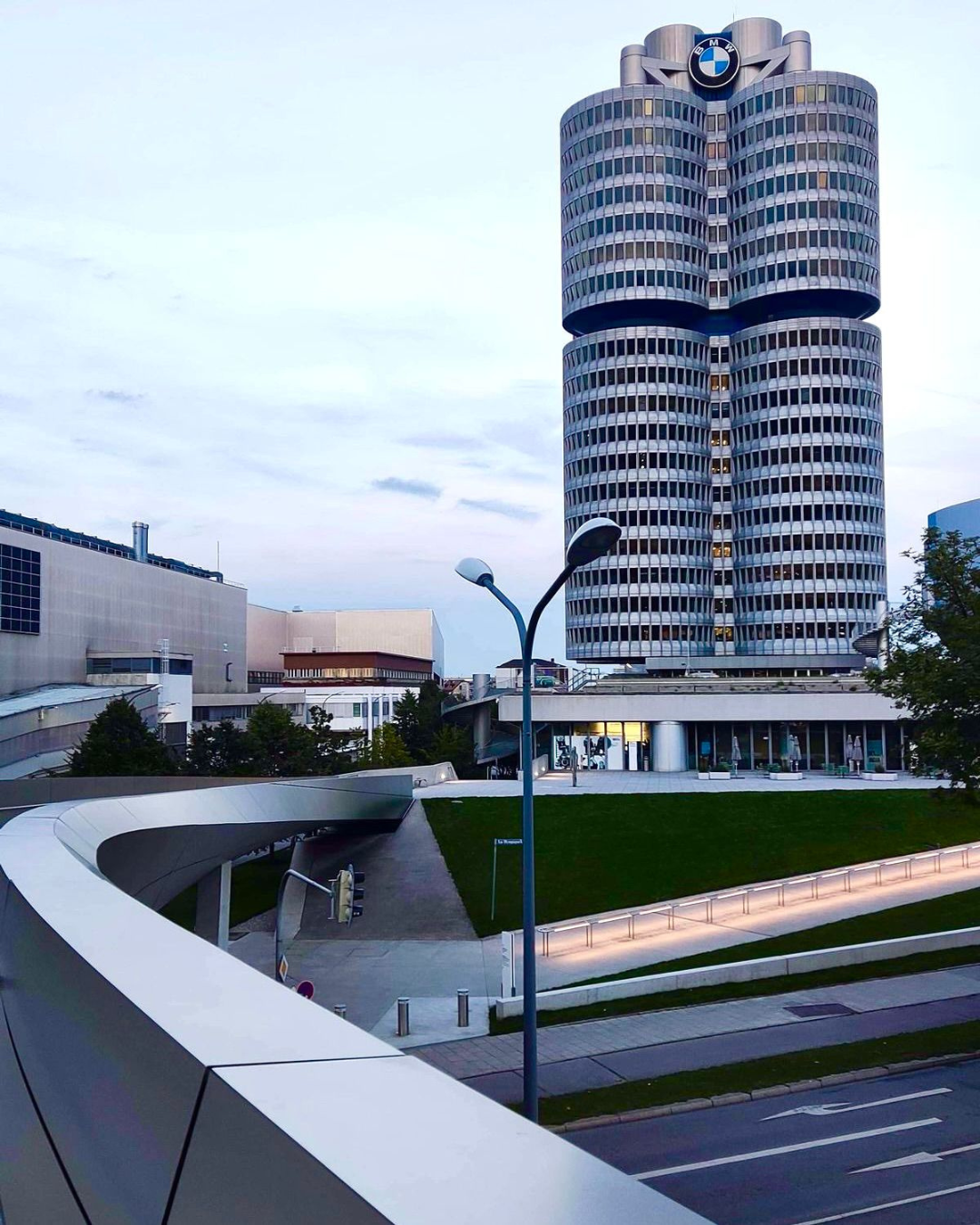
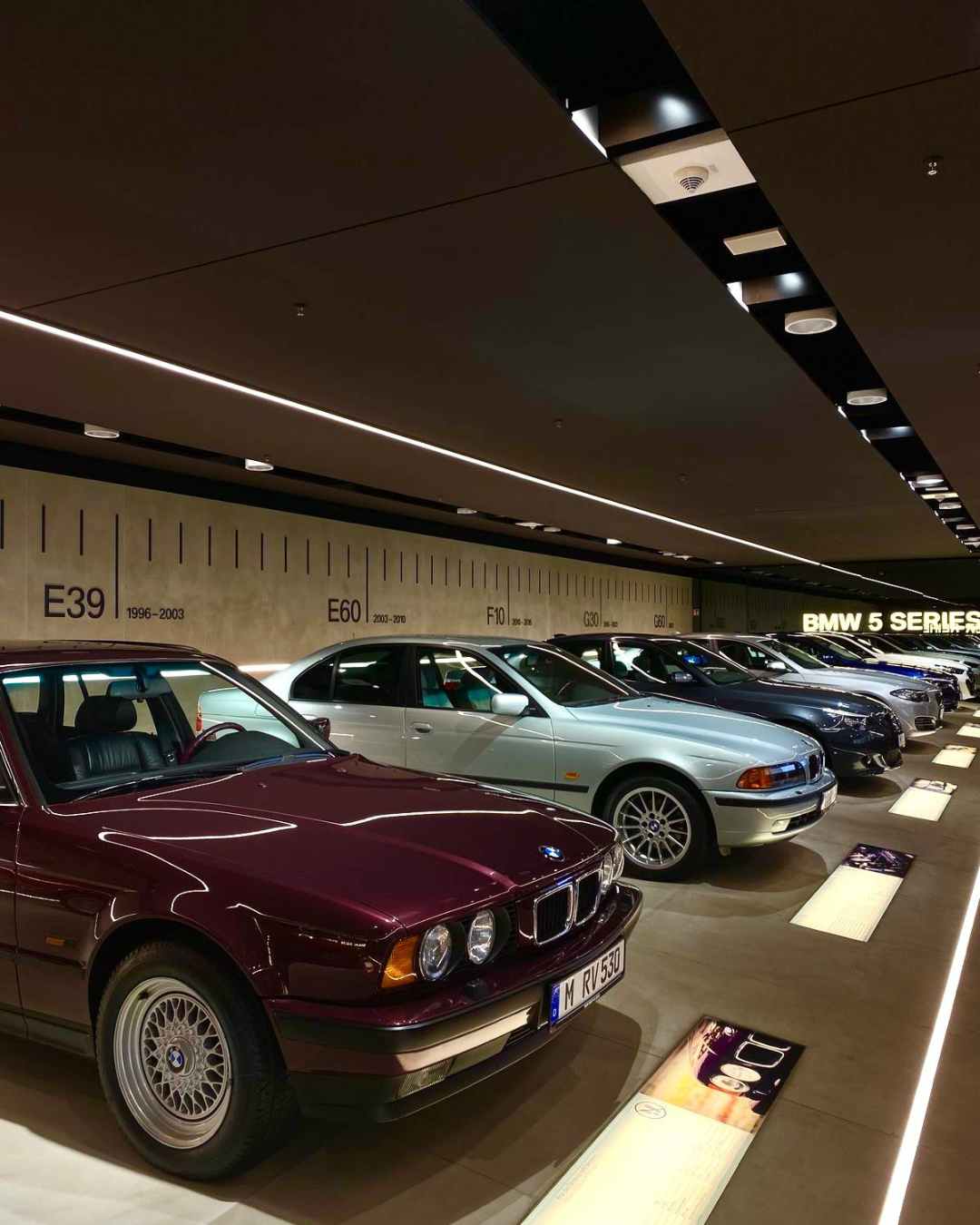
BMW Museum, Munich
Germany’s industrial model, long powered by affordable energy, export competitiveness, and deeply integrated global supply chains, is facing growing structural pressures. Rising energy costs following the Russia-Ukraine war, increasing competition from China have forced policymakers and businesses to reconsider long-standing economic dependencies. A city once synonymous with manufacturing leadership and innovation now also reflects the realities of globalisation. Even local souvenir shops sell goods manufactured in China. ‘Made in Germany’ is actually ‘Made in China’.
The challenge is even more visible in the automobile sector. German carmakers, once global leaders in automotive technology, now face intense competition from Chinese electric vehicle manufacturers. Through industrial policy and large-scale state financing, China has built dominance across much of the electric vehicle supply chain, making collaboration with Chinese firms increasingly attractive for German companies seeking to remain competitive in the EV transition.[3]
As a result, some of Germany’s most established firms are downsizing domestically while expanding investments abroad, particularly in China. This concern was raised at the MSC by European Commission President Ursula von der Leyen, who remarked, “Europe must become more independent—there is no other choice.”[4]
Walking through Munich, both the confidence, rooted in its history of resilience, and the belief that Europe will adapt, is palpable, despite the uncertainty about the future. Europeans realise where they have gone wrong and wish to work on it, but the actions are lagging. Discussions during the MSC and its many side events frequently centred on themes such as economic security, energy security, self-defence, multilateralism, a multipolar world, manufacturing, climate policy, and artificial intelligence (AI).
The evolution of the Munich Security Conference
Founded in 1963 during the Cold War as a transatlantic defence dialogue, the MSC has evolved into the world’s premier platform for debating international security. Its annual themes over the past five years illustrate how dramatically global priorities have shifted.[5]
The shift in tone over the decades is revealing. The focus of the annual events tells their own story.
1963 – Peace through dialogue and focus on transatlantic defence cooperation amid Cold War tensions
1973 – Balancing détente and security as the Nixon Doctrine reshaped U.S.–European burden-sharing within the transatlantic alliance.
1983 – Nuclear arms control and transatlantic unity
1993 – Redefining European security architecture after the Soviet Union’s collapse.
2003 – Debates over U.S invasion in Iraq and the role of NATO.
2013 – Focus on conflict in wars Mali and Syria, transatlantic cooperation within NATO.
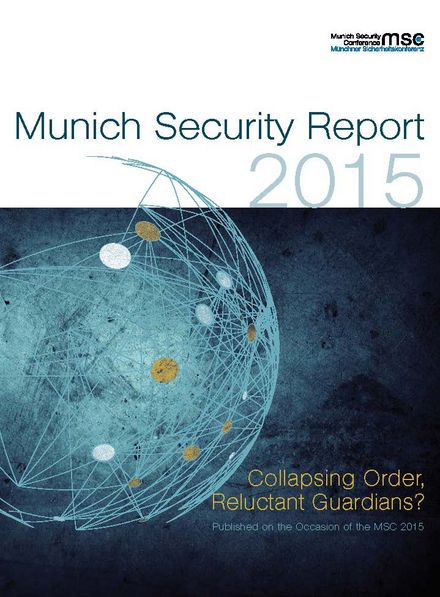
2015 – Collapsing order, reluctant guardians?[6]
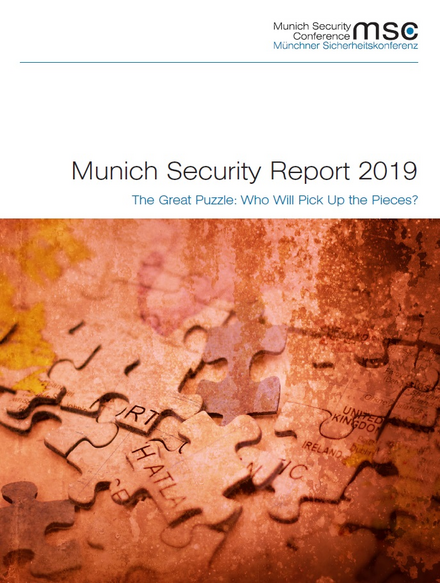
2019 – The Great Puzzle: Who Will Pick Up the Pieces?[7]
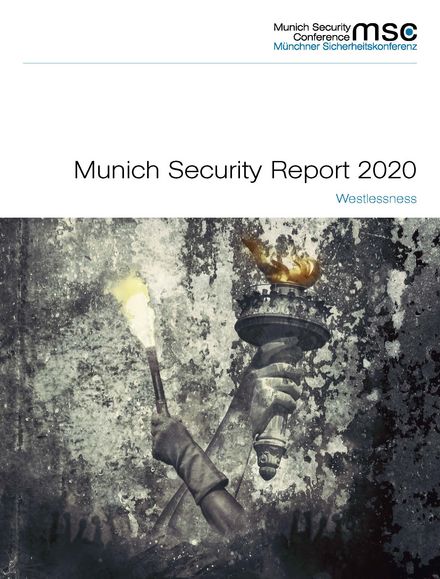
2020 – Westlessness[8]
2021 – Between States of Matter – Competition and Cooperation[9]
2022 – Turning the Tide – Unlearning Helplessness[10]
2023 – “Re:vision”[11]
2024 – Lose-Lose?[12]
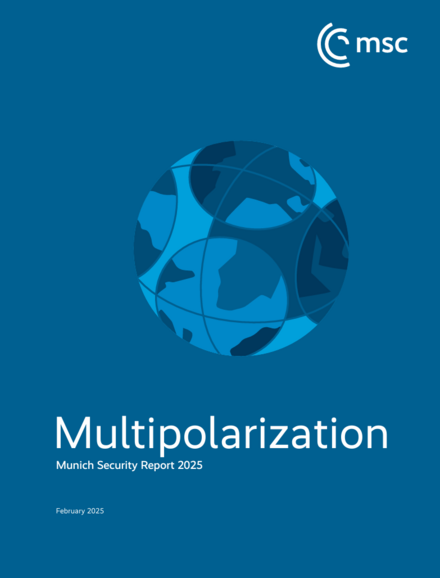
2025 – Multipolarization[13]
2026 (current year) – “Under Destruction”
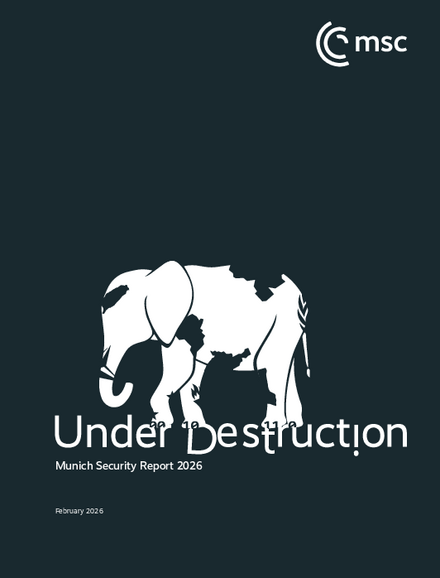
While earlier conferences largely focused on multilateral cooperation and sustaining the rules-based international order, in the post COVID-19 pandemic, attention increasingly shifted toward resilience, self-reliance, the durability of multilateral institutions and Europe’s global position.
Russia’s 2022 invasion of Ukraine made the MSC a forum dominated by hard security concerns – a theme that resurfaced across panels, speeches, and side events throughout the conference.
Debates around NATO’s role and position, especially with the Greenland question, raised broader questions about Europe’s place within global institutions and alliances. The progression of conference themes re-examined security as being no longer confined to the military but to include energy, economic resilience, and a strong industrial policy. AI emerged as a major topic of discussion, with European leaders emphasising their ambition for Europe to play a leading role in the global AI race.
The MSC is described as a barometer of global security thinking.[14] This year, it felt less like a traditional gathering and more like a forum collectively searching for solutions in an uncertain world. In his speech, U.S. Secretary of State Marco Rubio noted that Europe must assume greater responsibility for its own security, remarking that “America is a child of Europe… our destiny is intertwined,” while emphasising that the U.S. increasingly expects Europe to take on a larger strategic role.
Munich Security Conference Side Events
The main MSC is attended by over 1,000 select individuals, most of whom are heads of state and government, military officials and senior policy makers. They access many of the 100 sessions of the conference. This year, U.S. Secretary of State Marco Rubio’s speech commanded the most attention.
A defining feature of the MSC is its side events, which are hosted by governments, think tanks, corporations, and civil society organisations. This year had 200 of these parallel conversations, which often provide deeper insight than official panels. Side events take many forms, including roundtables, classroom-style discussions, panel sessions, and informal lunches or dinners that encourage candid exchanges.
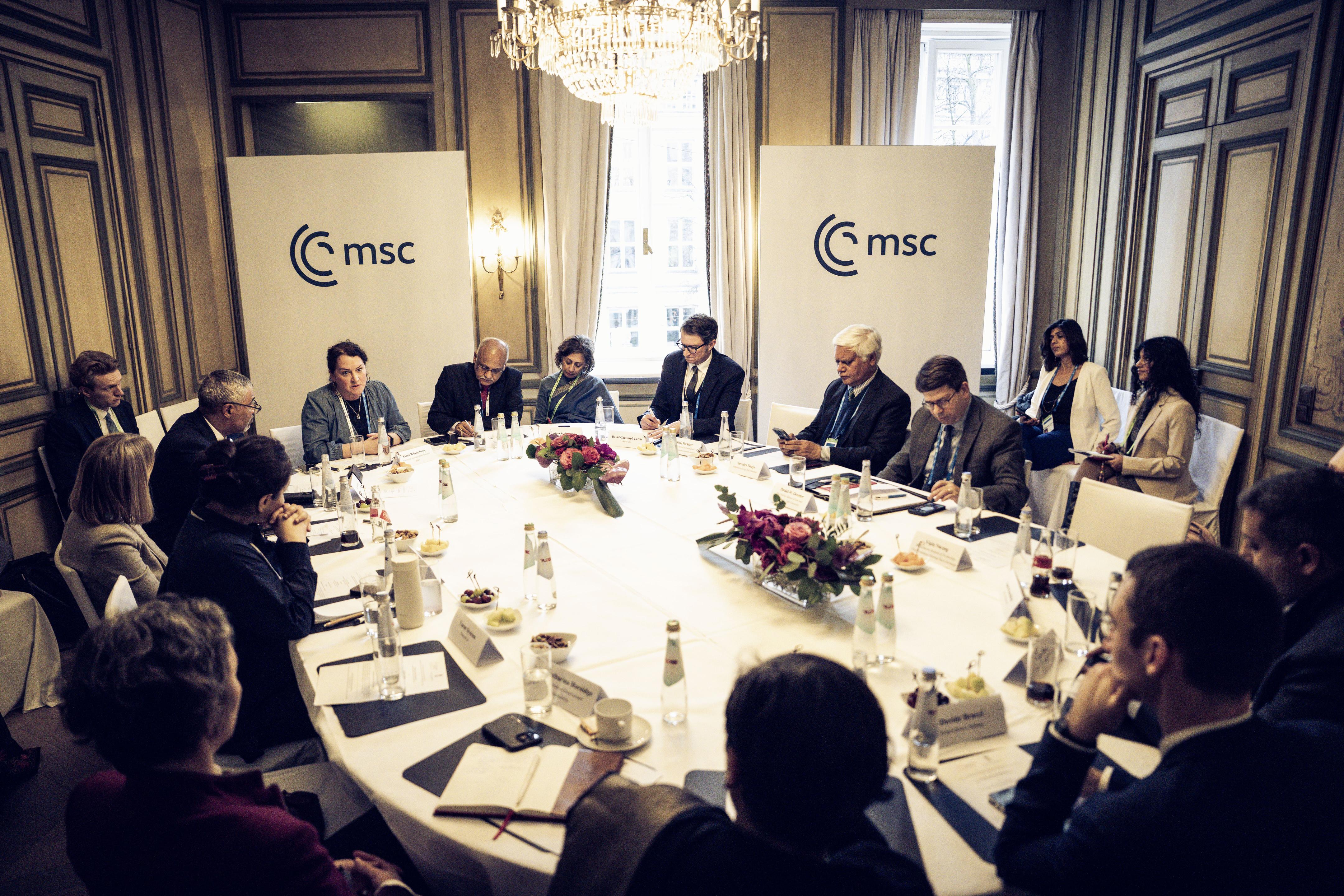
Gateway House hosted a roundtable discussion “Multipolarity without Multilateralism: India, Europe and the Future of Global Order,” that brought together perspectives from Asian, European, American, and even Arctic stakeholders. The discussion highlighted a shared recognition that the global order is undergoing a period of transition. Participants broadly agreed that the world is moving toward a more bipolar or fragmented structure and that Europe must act now. Kaja Kallas, Vice President of the European Commission, reiterated the same in her speech at the MSC: “…the EU can be too slow and needs reform.”[15]
The sidelines of the main MSC also have independent hubs of discussion, and one that stood out was the BMW Energy Security Hub 2026,[16] which hosted a series of 19 panel discussions over three days. Located close enough to the main venue, the glass building was packed with participants, keen to understand the energy dimension of Europe’s security – one that affects every day life.
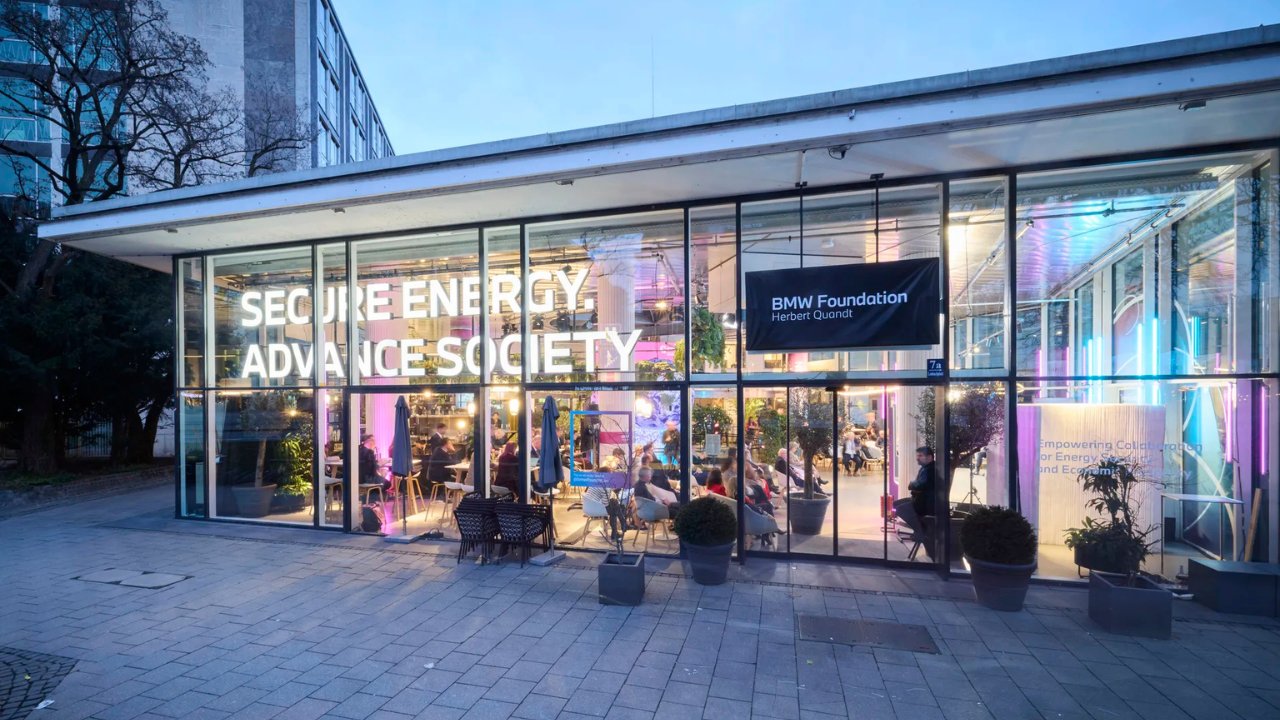
The BMW sessions featured prominent speakers, including Wolfgang Ischinger, Ian Bremmer, Katherina Reiche, Narendra Taneja, Gerald Butts, Claudia Oeking, and Michael Briegel. The discussions covered themes such as “Rules Without Power? Developing Europe’s Geostrategic Capacity,” “Energy Resilience Made in Europe,” and “Powering the Future: Securing Europe’s Energy Supply in the Age of AI.”[17]
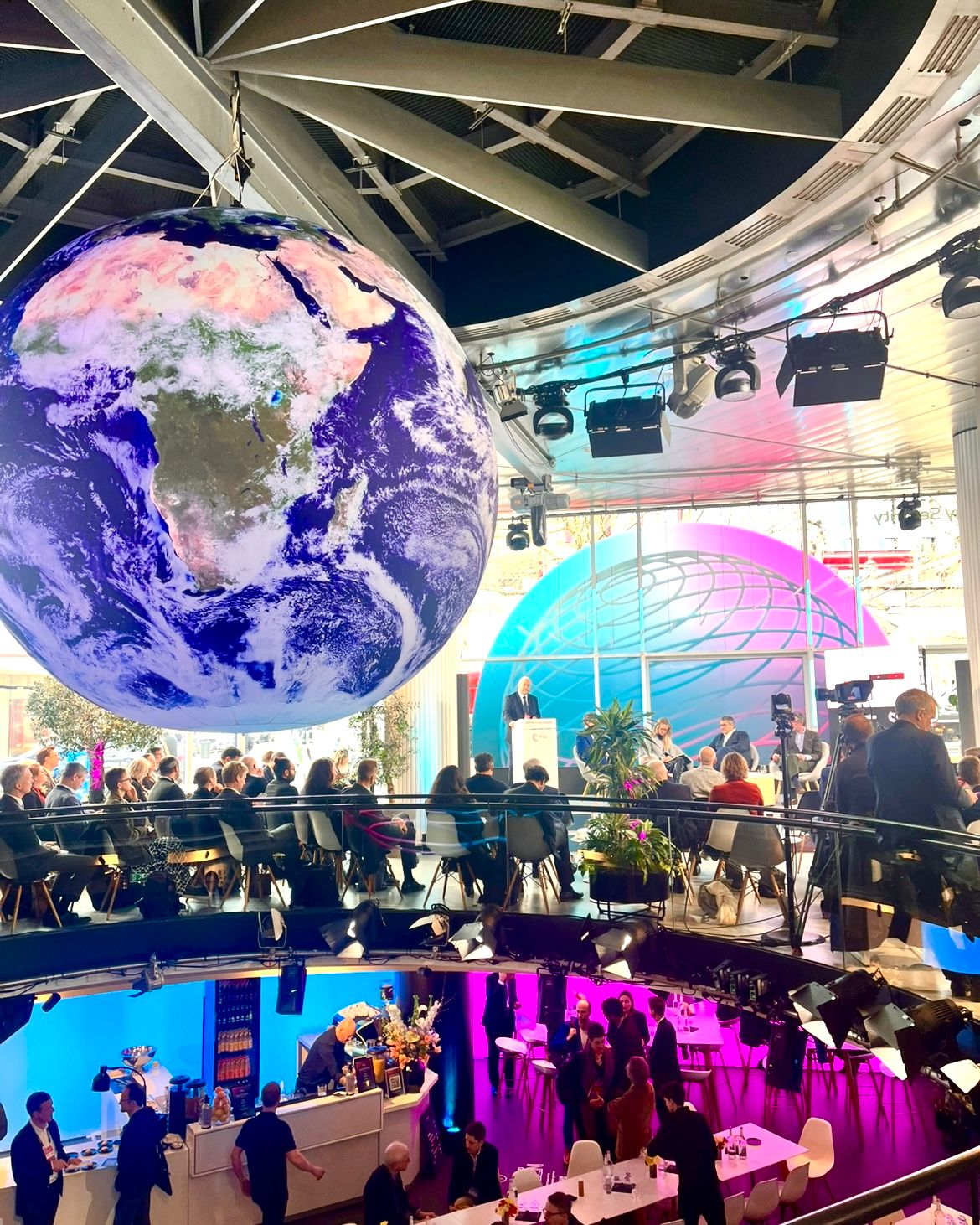
Across these conversations, a central question emerged about Europe’s future – how to achieve self-reliance while balancing energy security, industrial competitiveness, and technological leadership? Speakers repeatedly highlighted Europe’s ongoing struggle to balance climate commitments with economic advancement. Wael Sawan, CEO of Shell, noted that “energy security is not just profitability but sheer survival,” emphasising that coal and gas continue to play a critical role during the transition, even as Europe pursues long-term climate goals. He argued that achieving both remains difficult amid extensive regulatory pressures.
Narendra Taneja, the outspoken head of Indian think tank Independent Energy Policy Institute, observed that energy transitions require different timelines for different countries, that each nation needs its timeline depending on its size, economic structure, and developmental priorities and need not be forced, for some this may take a decade, while for others it could take much longer. He also bluntly emphasised that Europe had to bring back its manufacturing strength, not rely solely on making wine and cheese to buoy its economy. “Europe must start with Germany, and Germany must become what it once was: a manufacturing excellence hub,” he said.
On AI, Michael Briegel, Head of Central Europe, Boston Consulting Group, remined Europe that being effective at adopting AI technologies is not the same as building its own innovation ecosystem to remain competitive.
The recurring sentiment heard throughout MSC: Europe must act decisively rather than react to events.
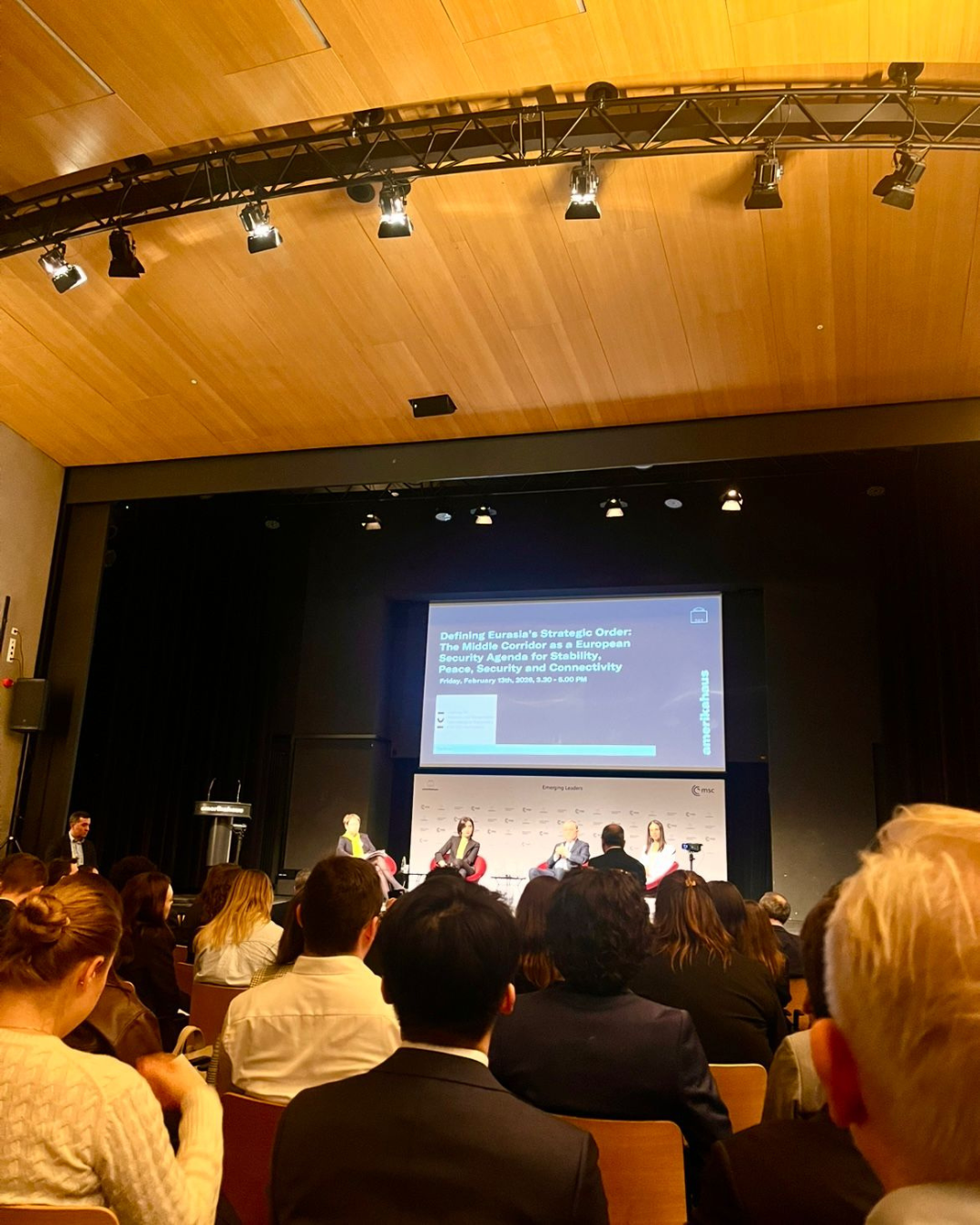
Amerikahaus – Bavarian Center for Transatlantic Relations, also hosted side events, “Defining Eurasia’s Strategic Order: The Middle Corridor as a European Security Agenda for Stability, Peace, Security and Connectivity.” That discussion brought in the heavyweights from the Caucuses: Jeyhun Bayramov, Minister of Foreign Affairs of Azerbaijan; Maka Botchorishvili, Minister of Foreign Affairs of Georgia; and Odile Renaud-Basso, President of the European Bank for Reconstruction and Development. They discussed the growing importance of the Middle Corridor route through the South Caucasus and the Caspian region as a connector and geo-economic bridge between Europe and Eurasia. This is Europe’s alternative to Russian energy – new partnerships and transport networks to strengthen its economic security and reduce strategic dependencies.
India’s presence at Munich
This year, the interest in India was evident – buoyed by the newly signed EU-India FTA, on Jan 27, 2026. India was represented across several side events by five Indian think tanks: Gateway House, the Ananta Centre, the Institute of Peace and Conflict Studies, the Takshashila Institution, and Observer Research Foundation. External Affairs Minister S. Jaishankar and Finance Minister Nirmala Sitharaman marked India’s high-level presence at the conference.
Conversations with several participants and organisers at the MSC said this year’s MSC placed special attention on India, particularly in the context of strengthening India-Europe ties. European policymakers increasingly view India through the lens of economic diversification and technological partnership.
However, India is still widely perceived as an emerging middle power rather than a leading pole in the global system, despite having the second largest army, the fourth largest economy in the world and an FTA with Europe. Many discussions reflected the view that the international order remains largely shaped by U.S.-China rivalry, with countries such as India and Brazil seen as rising but not yet dominant actors. In this sense, a fully multipolar world is still viewed as a work in progress rather than an established reality.
For this reason, India’s presence at forums like the MSC provides an important opportunity to position itself as a stabilising actor in an evolving multipolar order.
Munich and Mumbai
Munich represents a mature industrial power navigating structural transition, while Mumbai reflects the dynamism of a rising economy still expanding its possibilities. Yet the two cities also share similarities: both are historically shaped by industry, though expressed in very different ways.
Similarities in old heritage buildings
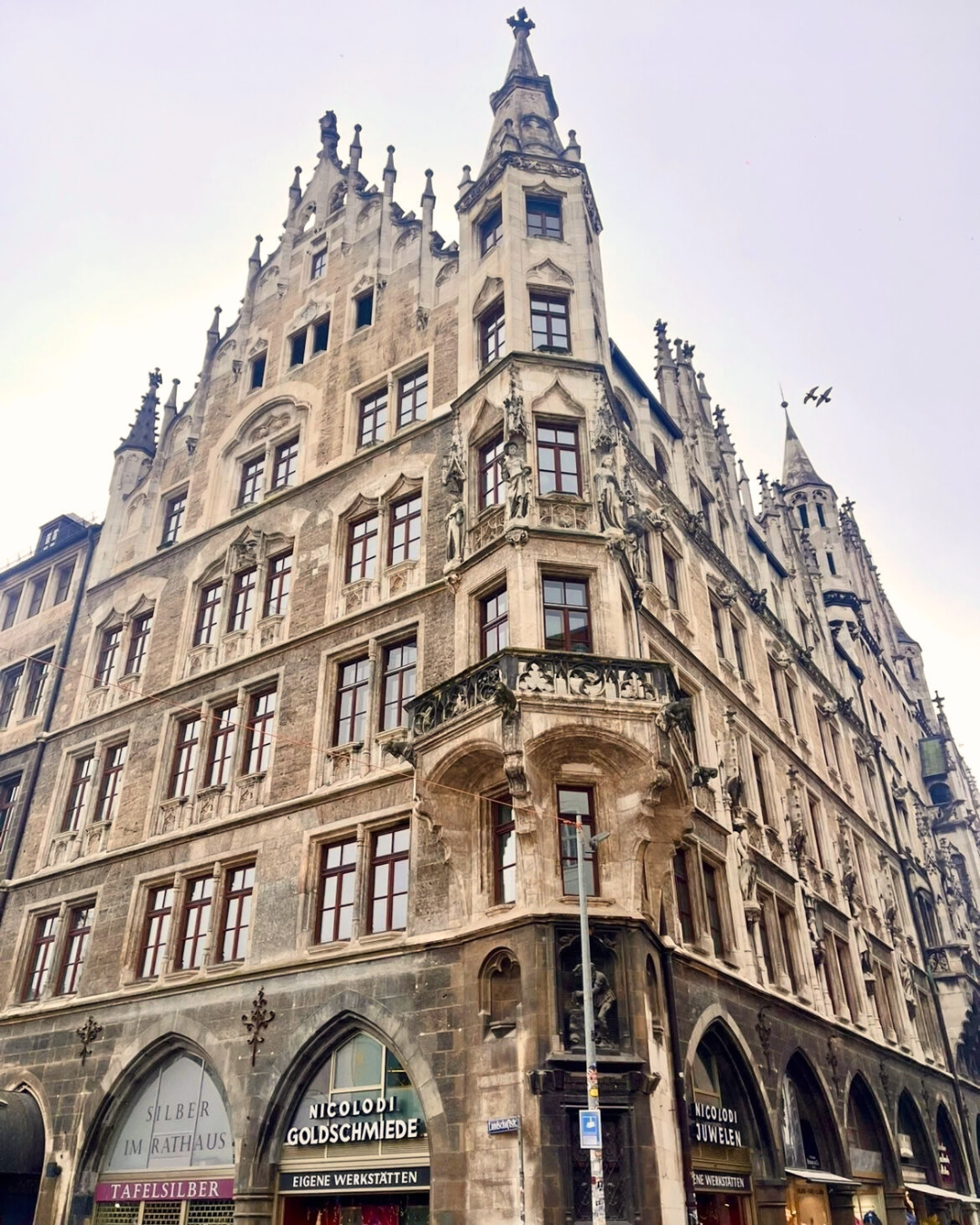
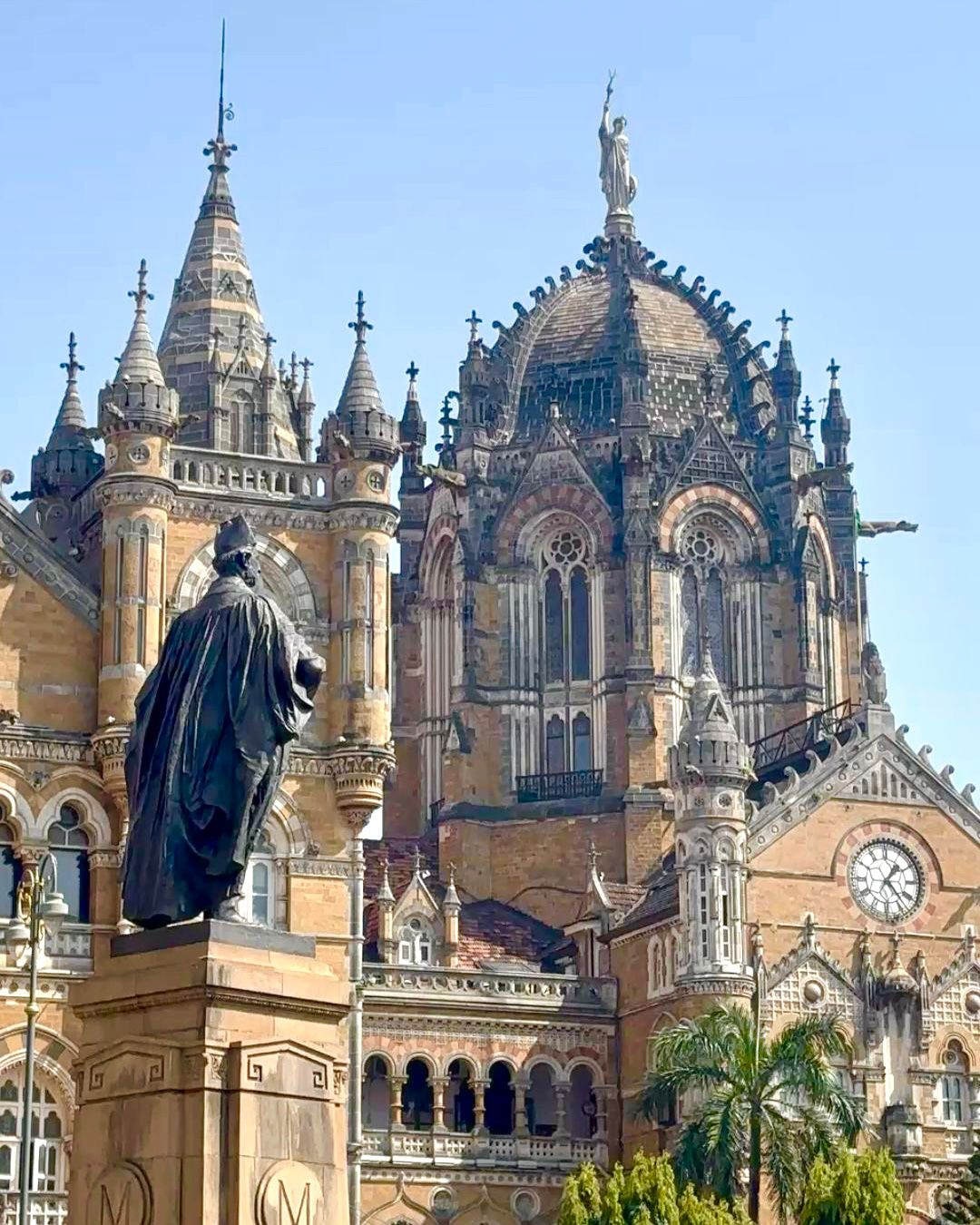
Munich moves at a quieter, more orderly pace, while Mumbai thrives in organised chaos. During the MSC, large parts of the city were placed under tight security, with several roads closed around key venues. As a result, many residents relied heavily on public transport, a system that proved efficient and dependable despite increased pressure.
A stan-out feature is the trust-based system in Europe. An online ticket purchase is kept in the phone, with no requirement for presentation on boarding any of the myriad forms of transport in Munich – tram, train, metro, bus. There are no entry gates or constant ticket checks; most comply. It’s a higher kind of freedom – one that comes with trust, a civic culture in which government institutions and citizens act as mutual enablers – the state provides reliable public services, and citizens help sustain them through compliance and responsibility. Such systems, not available in South Asia, offers an important lesson in how public trust can strengthen urban life and governance, particularly for younger generations observing different models of civic participation.
The people of Munich were, like the city itself, expressive and welcoming. Locals often greet visitors warmly and show genuine concern for their well-being, even when there are language barriers.
The city also reflects the political energy surrounding the MSC. Inevitably, protestors took place close to the main venues, with demonstrations on Gaza and Iran. The presence of Reza Pahlavi at the conference drew visible reactions, with protestors carrying banners, placards, and flags, including older Iranian national flags and Palestinian symbols. People wore face paint and pins and carried signs directed at the high-level delegations attending MSC. The protestors also carried anti-Trump posters.
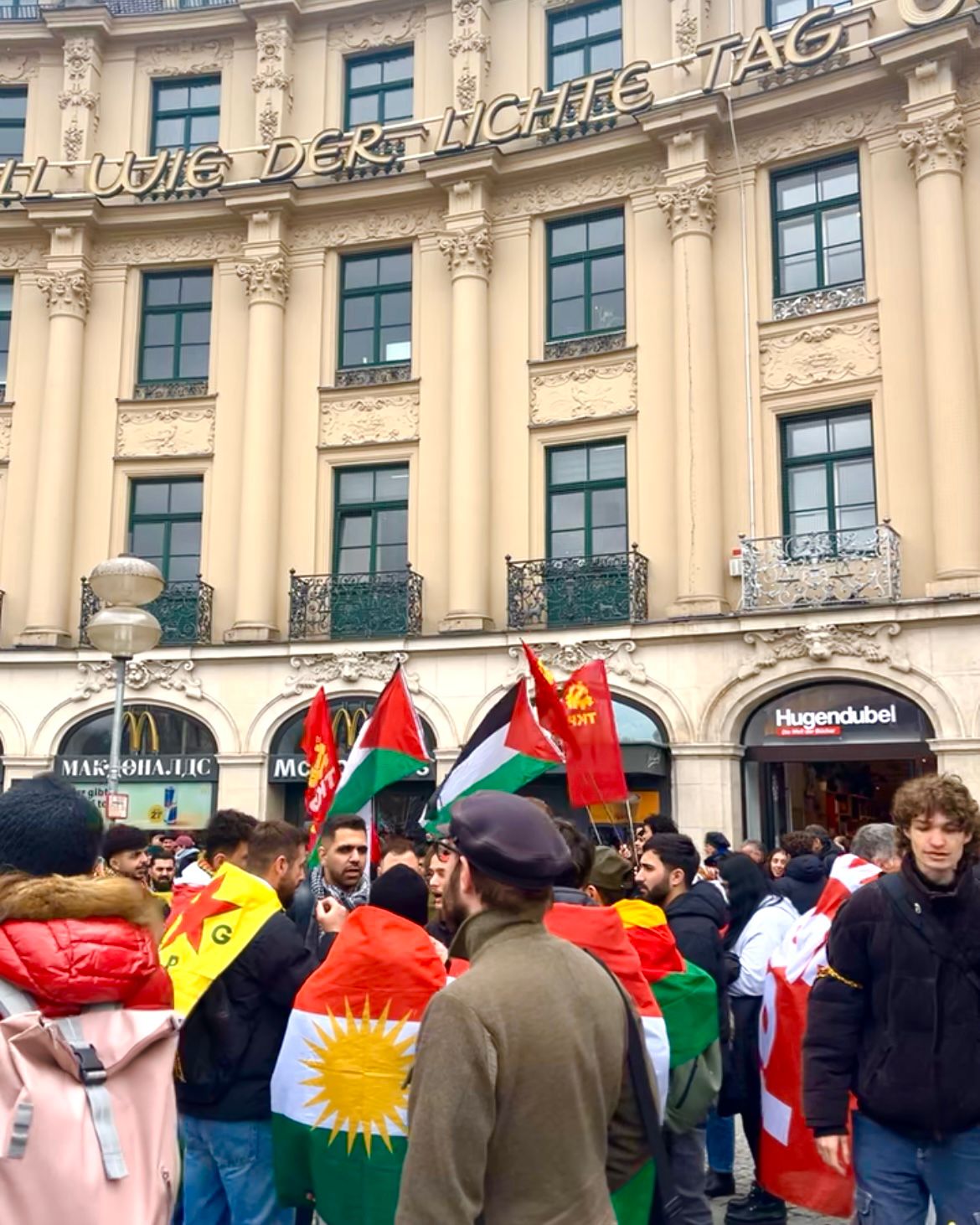
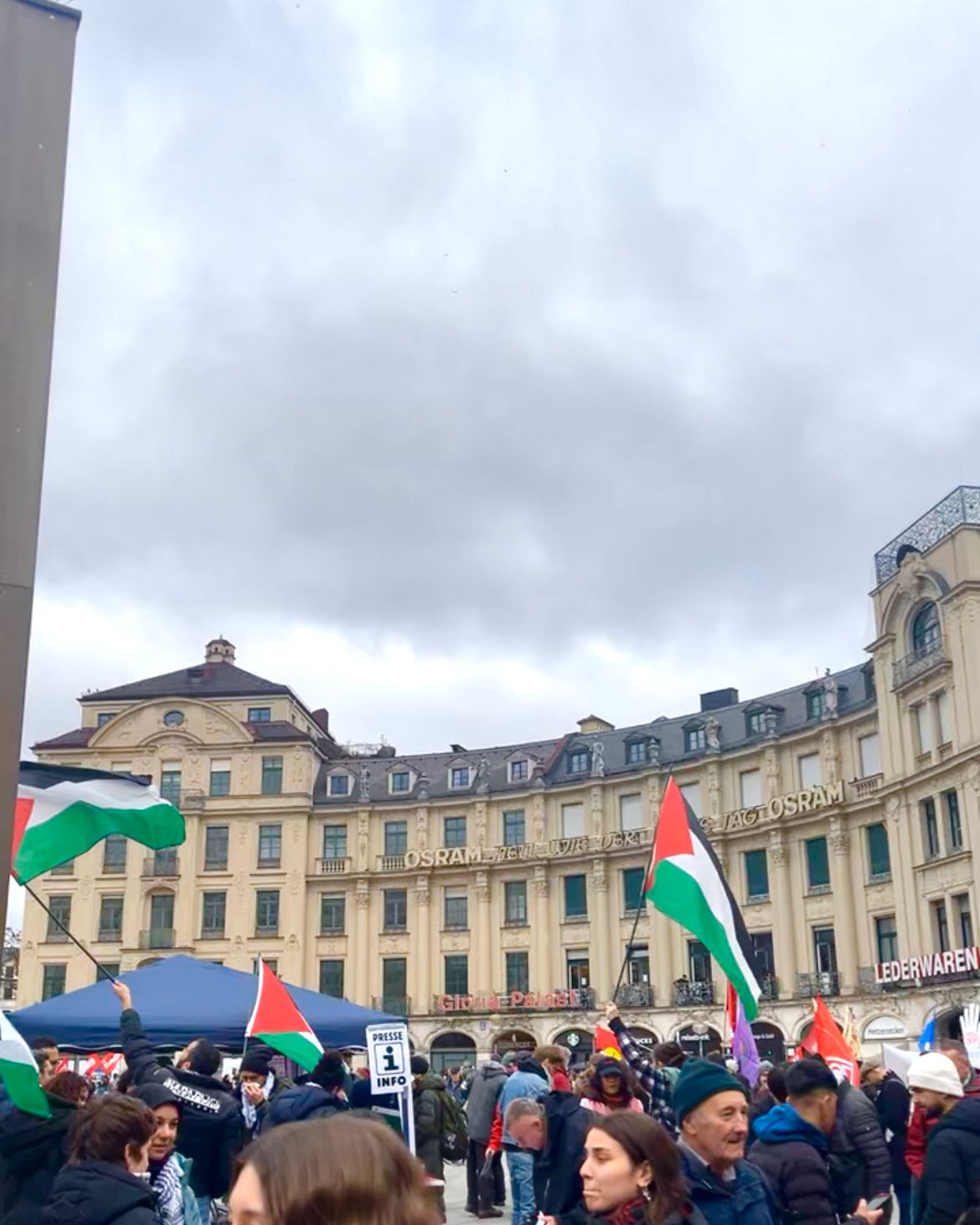
Protestors at Karlsplatz, Munich
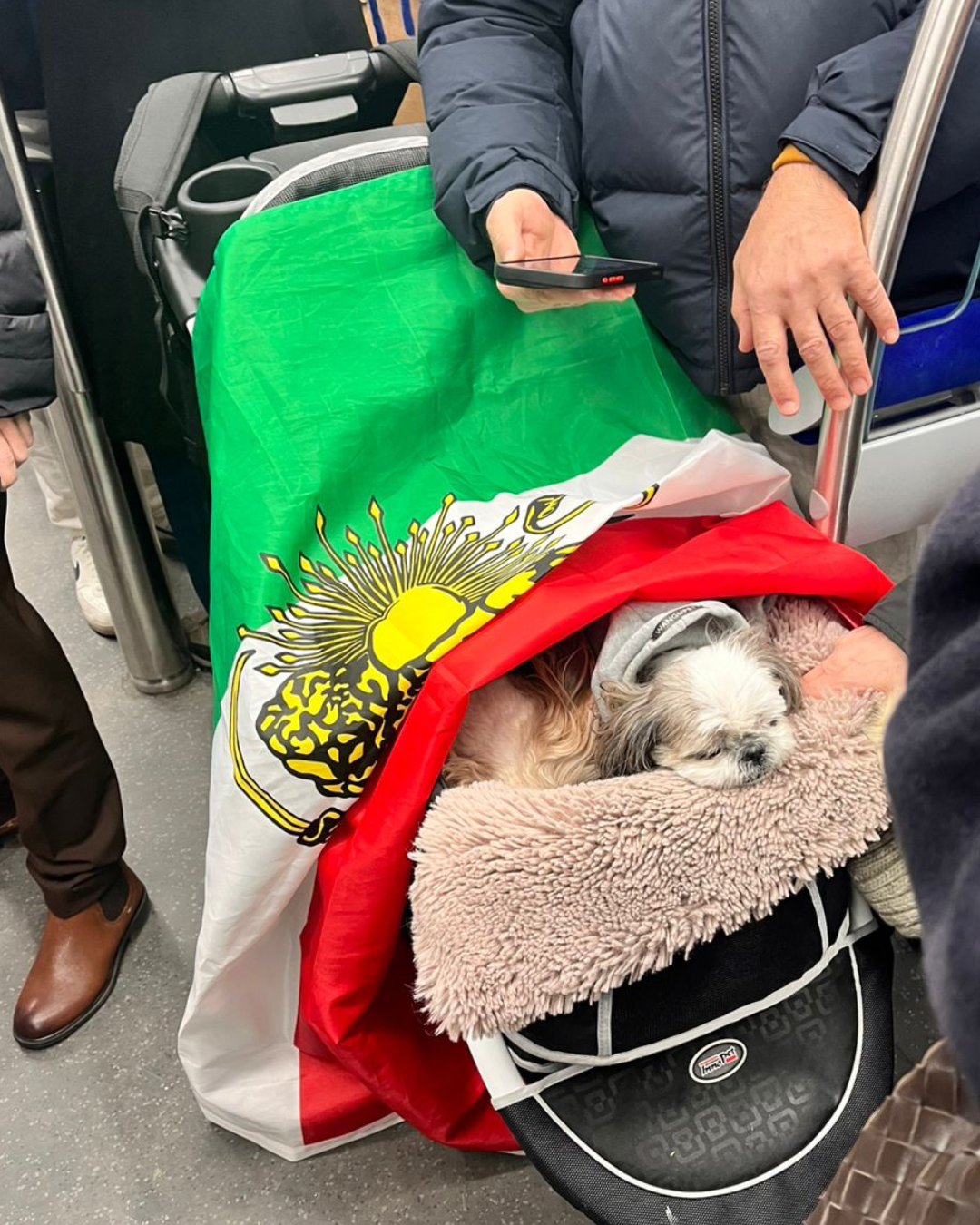
The protests were not limited to diaspora communities from West Asia but also included local Germans who chose to express solidarity with different causes.
Munich’s Hauptbahnhof station was particularly crowded during these moments, at times resembling the busy atmosphere of Mumbai’s CSMT station.
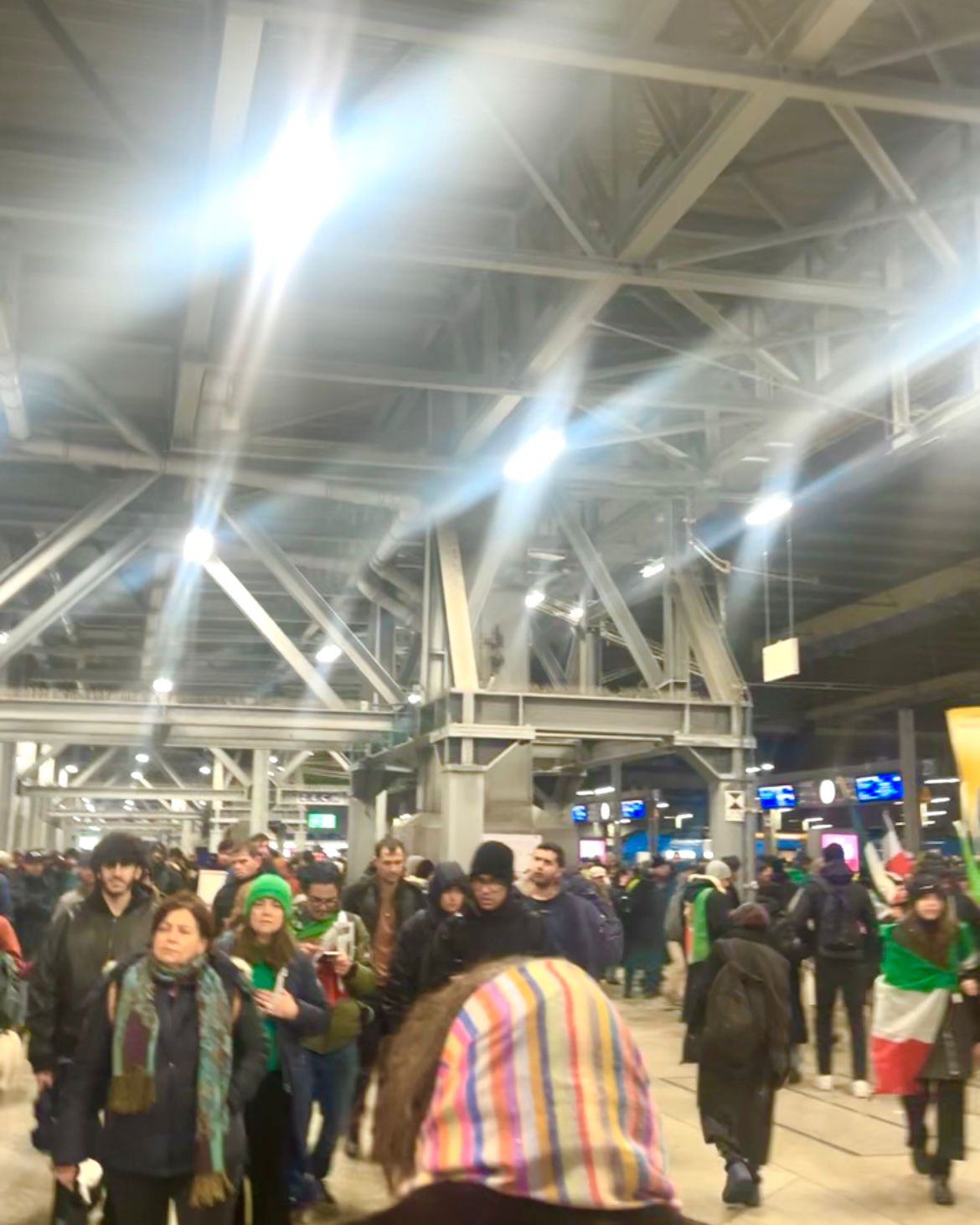
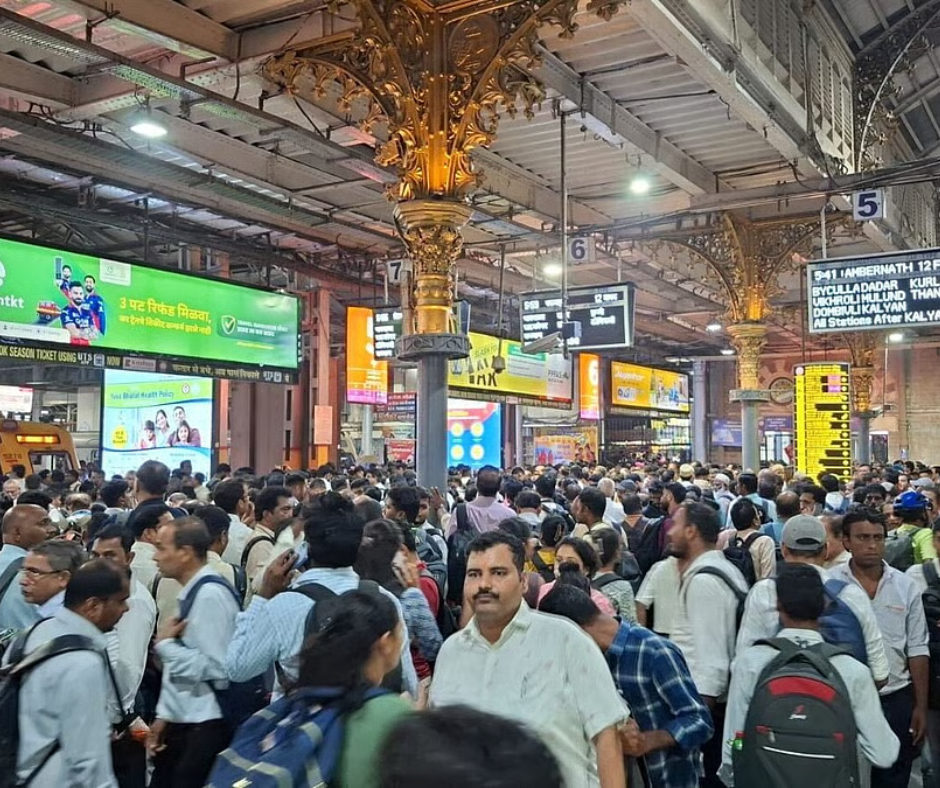
Source: The Free Press Journal
For a first-time participant, Munich offered more than exposure to high-level diplomacy, it provided insight into a world in transition. The conference halls were filled with military officers, heads of state, policymakers, academicians and think tankers, yet younger professionals were missing. These forums cover discussions about the future that ultimately concern younger generations who will inherit these decisions. For this, MSC offers the Munich Young Leaders Program, a joint project of the MSC and Körber-Stiftung. Every year, a cohort of 25 talented individuals from around the world are selected to engage in debates on foreign and security policy, among them are young politicians, parliamentarians, civil servants, military officers and subject matter experts from some of the world’s most prestigious institutions. Exposure to such platforms helps young observers grasp how dialogue, negotiation, and consensus-building function in practice.
Ultimately, Munich revealed a world no longer anchored by a single centre of power but still searching for a stable equilibrium. Europe faces an identity crisis and is recalibrating to find its way, the U.S. remains firm in its commitments and continues to portray itself as the leader, and middle powers such as India are gaining relevance as bridge-builders in an increasingly fragmented system.
The conversations inside conference halls and the debates unfolding outside them reflected the same reality: the international system is not yet multipolar, but it is undeniably transitioning toward it. In that sense, Munich was not merely a conference about security, it was a glimpse into how diplomacy, cooperation, and competition will coexist in the world ahead.
Raveena Shivashankar is the Digital Media Associate at Gateway House: Indian Council on Global Relations, Mumbai.
This article was exclusively written for Gateway House: Indian Council on Global Relations.
You can read more exclusive content here.
For interview requests with the author, or for permission to republish, please contact outreach@gatewayhouse.in.
© Copyright 2026 Gateway House: Indian Council on Global Relations. All rights reserved. Any unauthorized copying or reproduction is strictly prohibited
References:
[1] Gateway House. “Make German Mittelstand in India.” https://www.gatewayhouse.in/make-german-mittelstand-in-india/
[2] Encyclopaedia Britannica. “Bavaria.” https://www.britannica.com/place/Bavaria
[3] Mercator Institute for China Studies (MERICS). “A Bumpy Road Ahead for China and Germany’s Carmakers.” https://merics.org/en/report/bumpy-road-ahead-china-germanys-carmakers
[4] European Commission. “Press Corner.”
https://ec.europa.eu/commission/presscorner/detail/en/ac_26_430
[5] Munich Security Conference. “History.”
https://securityconference.org/en/about-us/history/
[6] Munich Security Conference. Munich Security Report 2015.
https://securityconference.org/en/publications/munich-security-report-2015/
[7] Munich Security Conference. Munich Security Report 2019.
https://securityconference.org/en/publications/munich-security-report-2019/
[8] Munich Security Conference. Munich Security Report 2020.
https://securityconference.org/en/publications/munich-security-report-2020/
[9] Munich Security Conference. Munich Security Report 2021.
https://securityconference.org/en/publications/munich-security-report-2021/
[10] https://securityconference.org/en/publications/munich-security-report-2022/
[11] Munich Security Conference. Munich Security Report 2023.
https://securityconference.org/en/publications/munich-security-report-2023/.
[12] Munich Security Conference. Munich Security Report 2024.
https://securityconference.org/en/publications/munich-security-report-2024/
[13] Munich Security Conference. Munich Security Report 2025.
https://securityconference.org/en/publications/munich-security-report-2025/
[14] Chatham House. “Climate Security Should Be a Bigger Priority at the Munich Security Conference.”
https://www.chathamhouse.org/2026/02/climate-security-should-be-bigger-priority-munich-security-conference
[15] Deutsche Welle. “EU Eyeing New Security Strategy, Kaja Kallas Says at Munich Security Conference.”
https://www.dw.com/en/eu-eying-new-security-strategy-kaja-kallas-says-at-munich-security-conference-msc/live-75938790
[16] BMW Foundation Herbert Quandt. “Energy Security Hub 2026.”
https://www.bmw-foundation.org/events/Energy-Security-Hub-2026
[17] BMW Foundation Herbert Quandt. “Energy Security Hub 2026.”
https://www.bmw-foundation.org/events/Energy-Security-Hub-2026