WSJ Courtesy: The Wall Street Journal
9 July 2026

Putin pushes for technological sovereignty

The 29th St. Petersburg International Economic Forum highlighted Russia’s push for technological sovereignty. President Vladimir Putin argued that Russia and the Global South must avoid being held hostage to the West. Since the Russia-Ukraine war began in 2022, sweeping sanctions have accelerated Russia’s efforts to build domestic digital infrastructure, strengthen AI capabilities, and deepen technological cooperation with partners such as India.

00016c8b5de0110adb271e Courtesy: Spacewatch.global
4 April 2024

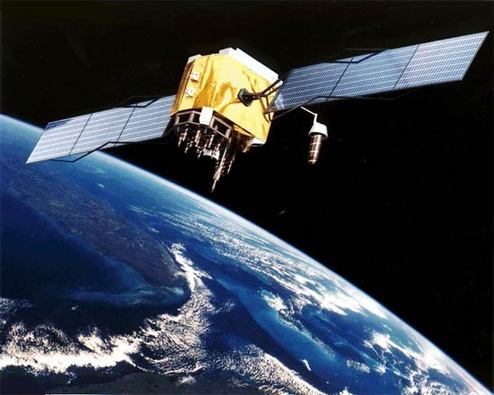
China, Quad and emerging technologies

China is racing ahead in building powerful emerging technologies for use in space, cyber security, artificial intelligence and quantum computing. The Quad countries still have an edge in these capabilities – but must collaborate in the Indo-Pacific now to maintain their comprehensive national power and global influence to keep China at bay.

India in the Indo-Pacific cover Courtesy: Gateway House
1 February 2022

India in the Indo-Pacific: Pursuing Prosperity and Security

The Indo-Pacific has become an important part of global geopolitics in the recent past, with several great powers implementing concerted Indo-Pacific policies to create economic, social and security linkages with the region. India can use its development experience and futuristic technology to secure stability and prosperity. This compendium of essays explores the comprehensive role that India can play in the Indo-Pacific, from energy and environment, to trade, security, technology and a vibrant diaspora.

Countering China's grand tech strategy Courtesy: Shutterstock
21 October 2021

Countering China’s grand tech strategy

In 'A Grand Strategy: Countering China, Taming Technology, and Restoring the Media', a new book on China's technological ambitions, author William J. Holstein explains China's push to advance its technological prowess, exploring ​the link between technology, politics and economics in today's world. In this podcast, he tells us more about this connection, which has often been overlooked by the American media.

digital manufacturing in india Courtesy: Gateway House
11 March 2021

Digital Manufacturing in India

Digital manufacturing is the next wave of business globalisation, which, post-pandemic is not just blind automation to save costs but the smart use of digital tools to modernise industry and create good quality jobs. Digital manufacturing is the next leap for India’s tech leadership - the first being the software outsourcing movement in the 1990s. This time around, government incentives are aligning with industry interests. It offers India a chance to reposition itself globally, and play a leadership role.

download (1) Courtesy: Caixin Global
5 July 2018

China’s disquieting FDI in high-tech

China’s foreign direct investment is shifting away from natural resources to high-tech areas, such as Artificial Intelligence and robotics. The scale of these acquisitions, along with questions about intellectual property and national security, are causing widespread concern in the West

DSC_5672 Courtesy: Gateway House
13 March 2018

Legislating cyberspace

Marina Kaljurand, Chair, Global Commission on Stability of Cyberspace, Brussels, Belgium, said governments had to collaborate closely with lawyers, and the private sector, which is leading some major developments

makeinindia_hardware_main Courtesy: Make in India
27 April 2017

Inhibiting electronics investment

India remains a problematic destination for foreign Original Equipment Manufacture decision makers. They are up against a range of deterrent factors when engaging with providers of Indian Electronics System Design and Manufacturing solutions. Is this due to protectionism or global policy?

OIl Tech Flickr Courtesy: epSos.de / Flickr
29 October 2015

How technology can cap oil prices

Developments in electric vehicles, battery technology, and renewable energy can make oil, coal, nuclear power interchangeable, if the appropriate technology is developed and marketed well.  And since the benefits include a permanent cap on energy prices, India must promote  its own industries in these areas and not remain a passive beneficiary.