
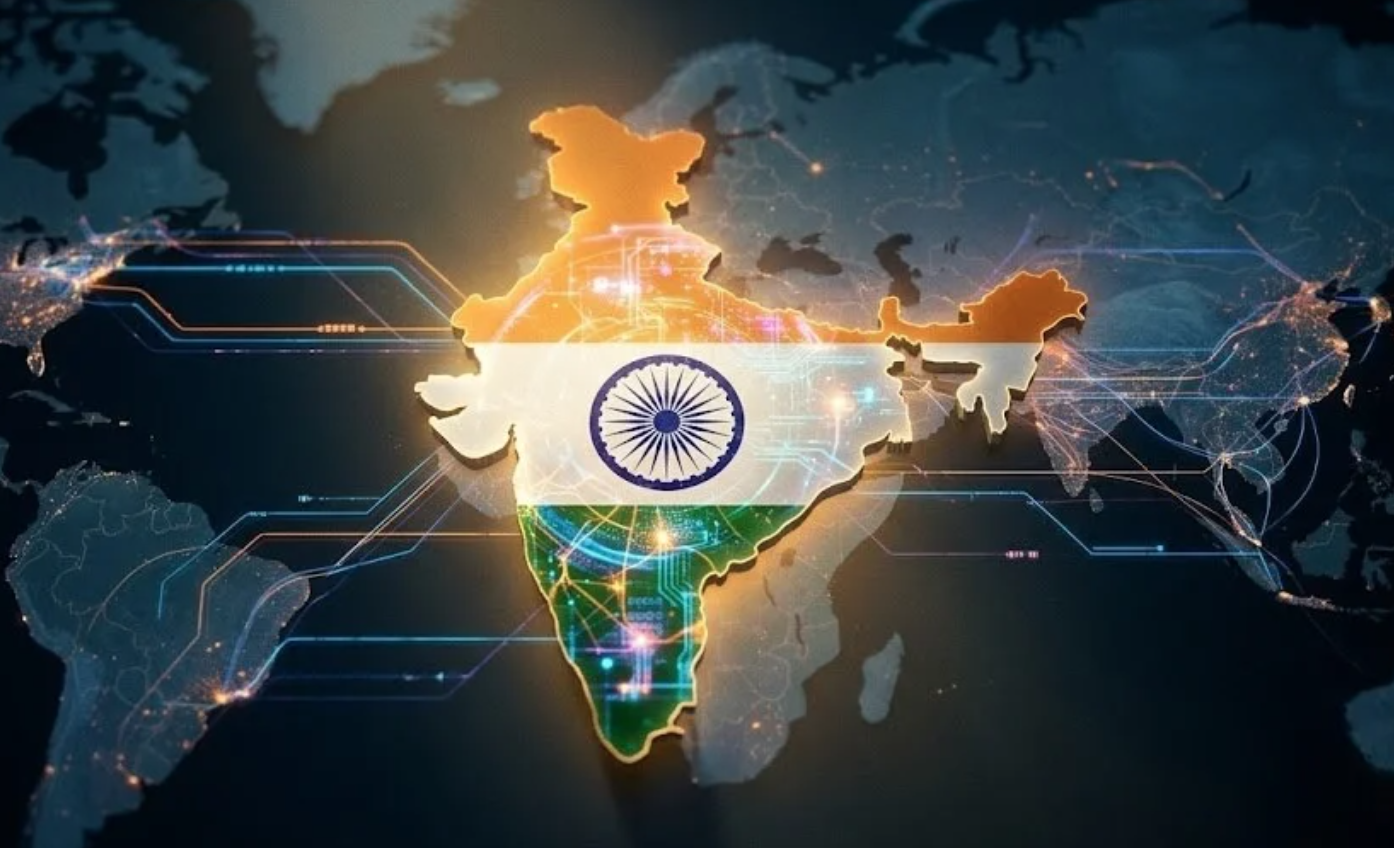
DPI for AI in India Courtesy: Gateway House
19 August 2026

DPI for AI and AI for DPI

India’s transition from Digital Public Infrastructure to indigenous AI is not simply an effort to make more data available for AI development. It is to see how data associated with public digital systems can be brought into new technological uses without weakening the legal and institutional safeguards that govern its collection, access and use. That balance creates sustained innovation alongside privacy, participation and public accountability.

Screenshot 2023-12-21 at 2.27.40 PM Courtesy: Swarajya
21 December 2023

New Delhi’s quest for AI collaboration

The inaugural summit of the Global Partnership on Artificial Intelligence (GPAI), hosted by India earlier this month, drew special attention given the dramatic strides made in the field in the past year. As it prepares to chair the GPAI in 2024, India can draw on its large workforce, the university system and the technology stack to steer conversations on AI regulation, innovation and deployment towards a balanced and equitable path.

Trade in digital services Courtesy: World Economic Forum
31 August 2023

Cooperation for digital standards and interoperability

Digital services trade is a fundamental and growing element of our shared economic future. But policy makers are disrupting cross-border ecosystems by adopting divergent governance approaches. To realise the full potential of an inclusive digital market, it is vital that we embrace new means of regulatory cooperation on cornerstone technologies.

Indian-AI website Courtesy:
24 August 2023

India’s AI Future

The disruptive impact of Generative AI models like ChatGPT and Copilot will be felt across information-processing sectors including customer service, research and blue-collar jobs. India must develop a comprehensive national AI strategy that connects stakeholders to provide a roadmap for responsible AI deployment and increase funding for AI research.