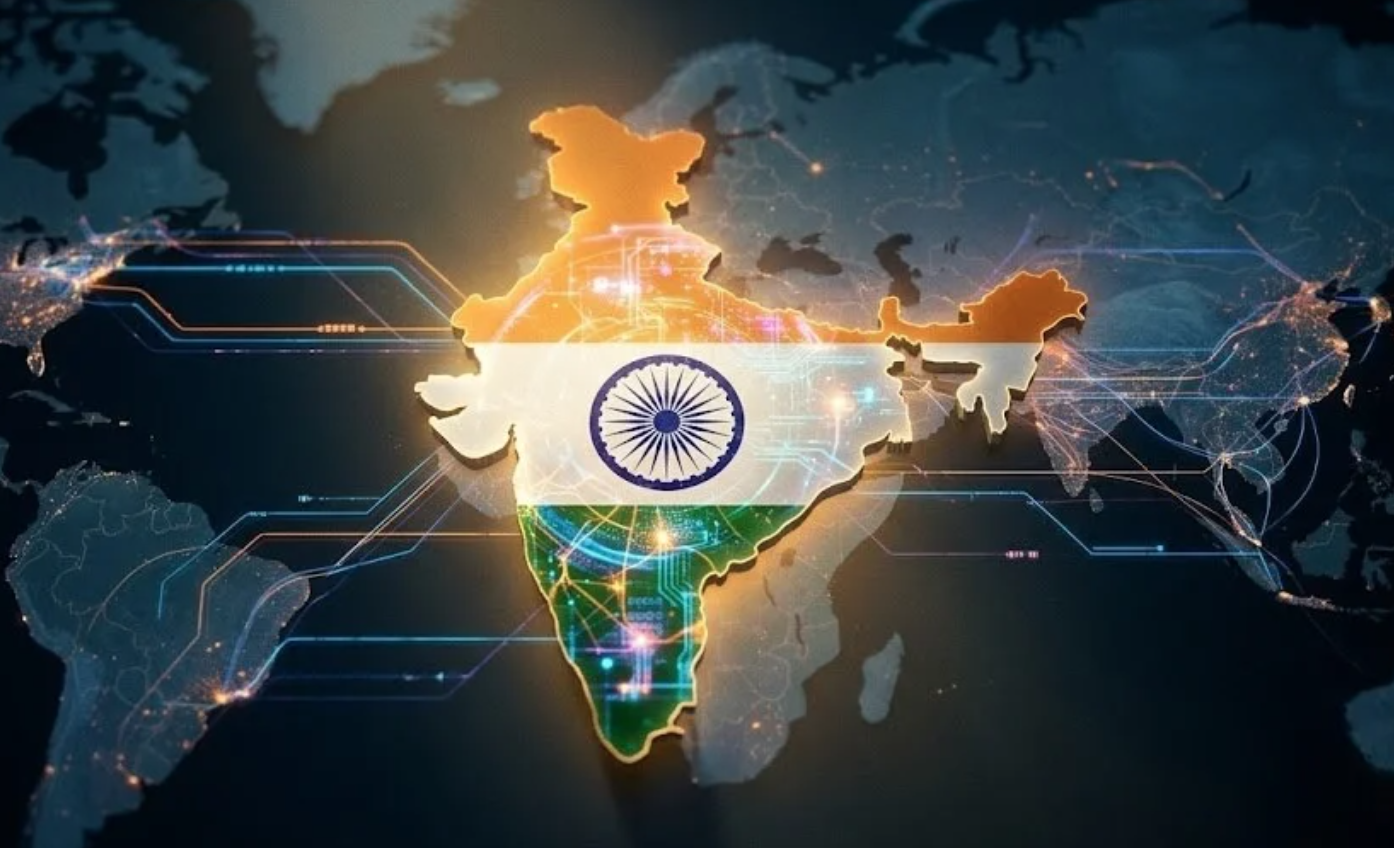
DPI for AI in India Courtesy: Gateway House
19 August 2026

DPI for AI and AI for DPI

India’s transition from Digital Public Infrastructure to indigenous AI is not simply an effort to make more data available for AI development. It is to see how data associated with public digital systems can be brought into new technological uses without weakening the legal and institutional safeguards that govern its collection, access and use. That balance creates sustained innovation alongside privacy, participation and public accountability.

Website articles  (92) Courtesy: Gateway House
7 May 2026

India’s quest for sovereign AI

India is moving from “digital adoption” to “digital swaraj,” a demand for technological self-reliance. The national discourse is shifting from data sovereignty to broader technological sovereignty. India’s goal is a hybrid model where global innovation meets local control and digital services that align with domestic needs. If successful, this model could offer the Global South an alternative to both U.S. private-led and Chinese state-led digital systems.

360_F_845503939_ENW5H5pfylIudBSmqUhJlr6uEAKVkwBa Courtesy:
7 November 2024

Unfolding Geopolitics, Episode 15 | Strategic autonomy through technology innovation

India’s journey to becoming a developed economy by 2047 will require it to transform from a a technology consumer to becoming a global technology provider. Sanjay Anandaram, co-founder, iSpirt discusses the need for robust institutional frameworks, innovation policy, and the role that technology plays in ensuring strategic autonomy in Global South countries.

Screenshot 2023-10-10 at 4.38.25 PM Courtesy: Hindustan Times
12 October 2023

Private Innovation in Digital Public Infrastructure

Digital Public Infrastructure (DPI) in India has encouraged innovation, resulting in accelerated economic growth and efficient delivery of government services, all whilst maintaining digital sovereignty. Further success depends on developing international standardisation and interoperability. As a DPI pioneer, India can use its position to create a repository of best practices and encourage collaboration for global digital governance standards.