20260415_1714_Minimalist Iran Conflict Illustration_remix_01kp8f9nksftqrj3zntfnpktpe Courtesy: Gateway House
15 April 2026

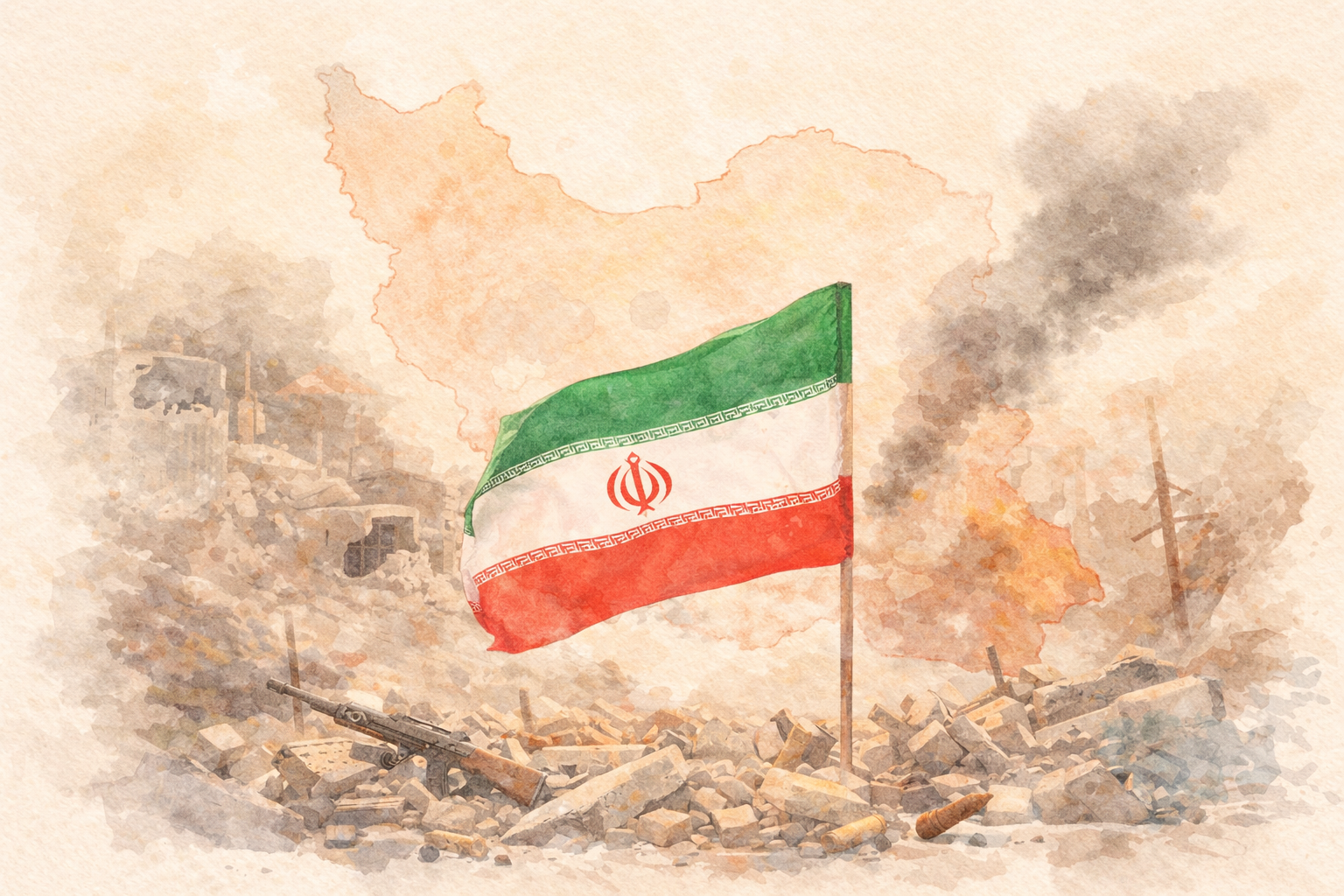
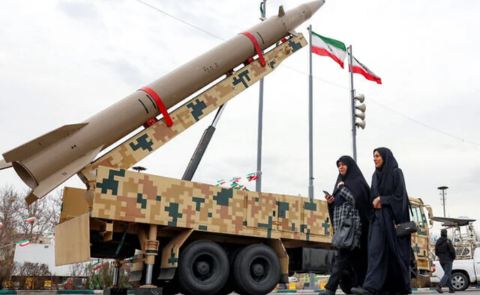
How did Iran fight this war?

The West Asian conflict is raising questions about Iran’s performance. Tehran appeared well-prepared, having expanded its low-cost drone and missile capabilities. It also widened the conflict by targeting U.S. bases in the Gulf. The key lesson is that eliminating leadership does not guarantee regime change. The conflict underscores that modern warfare depends not just on battlefield gains, but also on economic resilience, trade leverage, and technological strength.

Website articles  (76) Courtesy: X/ @bdbnp78
15 April 2026

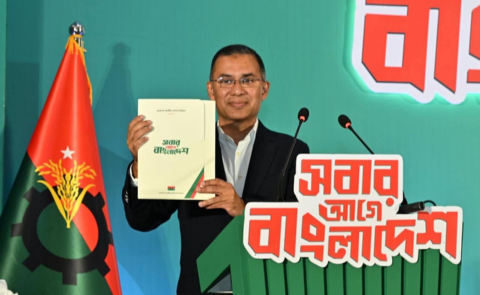
Bangladesh’s bumpy road ahead

Bangladesh’s new government has been in power for two months now, and the challenges are immense. Yet Prime Minister Tarique Rahman is trying to balance a plethora of issues: energy shortages, an under-performing economy, a major constitutional reform, addressing corruption and introducing transparency and accountability – all the while putting “Bangladesh First.”

rk (3) Courtesy: Gateway House
9 April 2026

Unfolding Geopolitics Episode 30 | The future of Persian Gulf oil flows

Following the U.S.–Iran ceasefire and partial reopening of the Strait of Hormuz, energy flows may resume, but uncertainty persists. Robin Mills, CEO of Qamar Energy, and Amit Bhandari, Senior Fellow on Energy, Investments and Connectivity, Gateway House, note that Iran will retain leverage and will continue influencing prices and supply chains. Natural gas shortages will further disrupt fertiliser production and fuel inflation world-wide.

Website articles  (62) Courtesy: Gateway House
26 March 2026

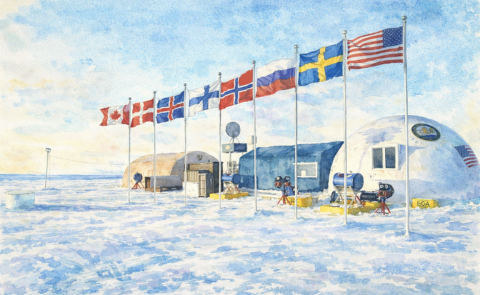
Arctic politics: between competition and cooperation

The Arctic region is at the crossroads of the dramatic environmental shifts and heightened conflict that are shaping global politics today. In the region, major geopolitical events and enduring rivalries necessitate a logic of competition, yet coordination on transboundary issues remains important. This echoes the challenges facing oceans, ecosystems and planetary problems in global governance more broadly, in which political efforts yield frustratingly incremental, yet indispensable, results.

Website articles  (52) Courtesy: AFP
9 March 2026

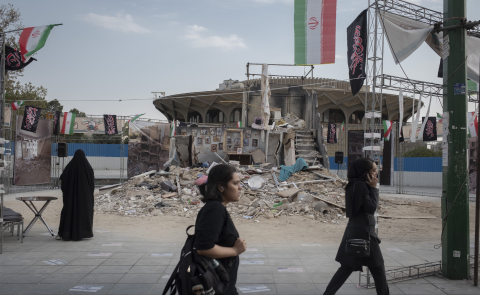
Iran regime change unlikely

The U.S.–Israel war against Iran will alter the geopolitical landscape of West Asia and adversely impact the global economy, including India. Vali Nasr, Majid Khadduri Professor of International Affairs and Middle East Studies at Johns Hopkins University School of Advanced International Studies, analyses the conflict and its implications in an exclusive conversation with Nayanima Basu.

Website articles  (11) Courtesy: Shutterstock
5 March 2026

West Asia conflict: who benefits?

The U.S. and Israel launched precise airstrikes on Iran, targeting nuclear facilities and senior leadership. Their aim is to weaken Iran’s nuclear programme and potentially induce regime change, while Tehran’s priority remains regime survival. The conflict’s duration will depend on whether it remains limited to missile exchanges or escalates into asymmetric warfare.

Website articles  (51) Courtesy: Gateway House
4 March 2026

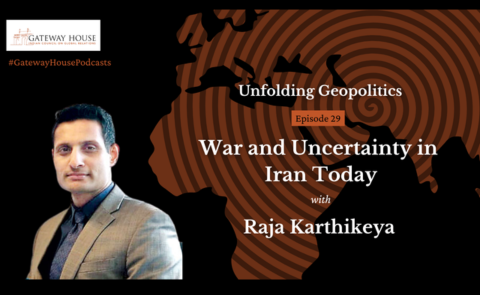
Unfolding Geopolitics Episode 29 |War and uncertainty in Iran today

The assumption that the Iranian public will rise up against its religious and political leadership, seizing the opportunity provided by Israel and U.S. strikes against Iran, may not prove true. Iran’s civilisational structure is resilient, and its educated population may not like being dictated to by the West. Raja Karthikeya, a former international civil servant based in Tehran, examines the escalating U.S.-Israel conflict with Iran, its regional and domestic implications and the tenacity of Iran’s political system amid external pressure.

Website articles  (35) Courtesy: Getty Images
22 January 2026

Can NATO survive without Article 5?

The U.S. demand for Greenland for security purposes, has alarmed Europe enough for talk of Article 5 of NATO’s collective defence agreement to be put on the discussion table. But can NATO survive without Article 5? And can Article 5 survive without the U.S. defence cover for Europe?

US Embassy and Consulates in Italy Courtesy: US Embassy & Consulates in Italy
18 December 2025

U.S.’ National Security Strategy 2025

It is customary for every U.S. president to release a National Security Strategy (NSS) early in their tenure. President Trump published the NSS for his second term in November 2025. It’s a contrast from his 2017 NSS, which addressed broad threats. The 2025 version is narrower, emphasising trade over security, with the Western Hemisphere being the primary area of focus. Is the U.S.’s global role shrinking?

brics-2 Courtesy: oneindia.com
30 June 2022

BRICS – the rhetoric and the reality

The Galwan crisis, pandemic and the Ukrainian war have weakened the BRICS’ credibility, a forum that has played a pivotal role in articulating the case for reformed multilateralism. Beyond grandiose rhetoric and vested interests, these five nations need to first infuse the grouping with internal solidarity and enhance mutual trust for peace, stability and prosperity in the Global South.