Website articles  (62) Courtesy: Gateway House
26 March 2026

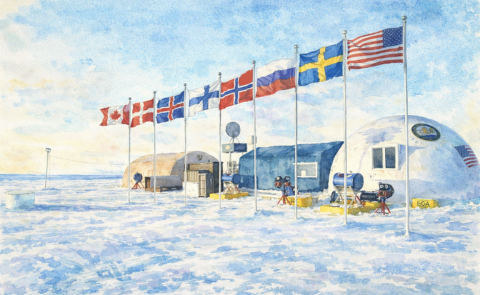
Arctic politics: between competition and cooperation

The Arctic region is at the crossroads of the dramatic environmental shifts and heightened conflict that are shaping global politics today. In the region, major geopolitical events and enduring rivalries necessitate a logic of competition, yet coordination on transboundary issues remains important. This echoes the challenges facing oceans, ecosystems and planetary problems in global governance more broadly, in which political efforts yield frustratingly incremental, yet indispensable, results.
Website articles  (35) Courtesy: Getty Images
22 January 2026

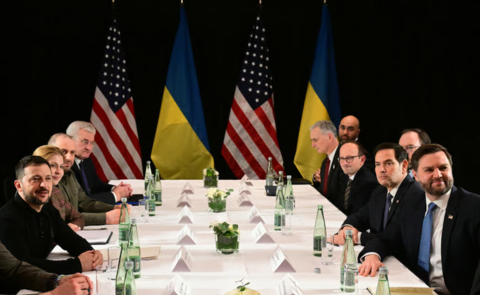
Can NATO survive without Article 5?

The U.S. demand for Greenland for security purposes, has alarmed Europe enough for talk of Article 5 of NATO’s collective defence agreement to be put on the discussion table. But can NATO survive without Article 5? And can Article 5 survive without the U.S. defence cover for Europe?

Website articles  (29) Courtesy: Somaliland Presidential Office
15 January 2026

Somaliland recognition strengthens alternative diplomacy ecosystem

Israel’s recognition of Somaliland as an independent state in December 2025 is not merely a diplomatic gesture toward a long-marginalised polity; it is a strategic act with implications for Somalia’s territorial integrity, regional security dynamics, great-power competition, and the evolving politics of recognition in a fractured international order.

US Embassy and Consulates in Italy Courtesy: US Embassy & Consulates in Italy
18 December 2025

U.S.’ National Security Strategy 2025

It is customary for every U.S. president to release a National Security Strategy (NSS) early in their tenure. President Trump published the NSS for his second term in November 2025. It’s a contrast from his 2017 NSS, which addressed broad threats. The 2025 version is narrower, emphasising trade over security, with the Western Hemisphere being the primary area of focus. Is the U.S.’s global role shrinking?

south africa freedom day 2-24 Courtesy:
16 May 2024

Why insurgents struggle as governments

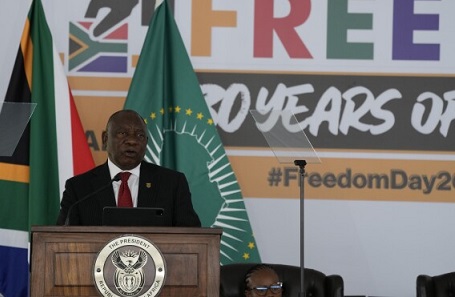
South Africa has just celebrated the 30th anniversary of its epic elections in 1994 which marked the end of apartheid rule. President de Klerk and Nelson Mandela avoided the expected bloodbath but, since then, the ruling African National Congress has not done well. Because the very qualities which make insurgent groups and liberation movements successful, are not the ones that make effective national governments.

Niger website Courtesy: Arab News
10 August 2023

Niger shakes off neo-colonialism

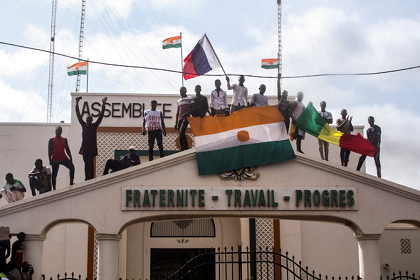
The coup has revealed three truths: the long tail of colonialism is reaching its end; alternatives to western control and command have emerged; the younger generation in developing countries have neither awe nor loyalty to the old master and nothing to lose in overthrowing the past, even though they know not their future.

ZelenskyRamaphosa-GettyImages-1258743603 Courtesy: Foreign Policy
21 June 2023

Africa seeks peace dividend

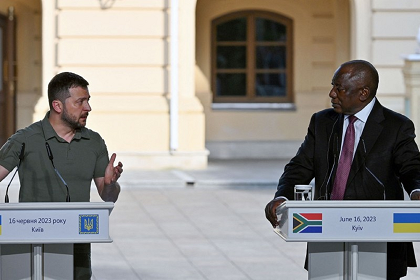
Last week, an African peace delegation travelled to Kyiv and Moscow, presenting them with a 10-point plan for peace. While the plan received mixed reactions, the African initiative was a courageous step towards peace. The effort coincides with India proposing the AU join the G20, and South Africa’s entry into the troika of G20 presidencies next year.

carousel-ocean-indian Courtesy: United Nations Economic Commission for Africa
2 March 2023

Perceptions of Africa’s Role in the Western Indo-Pacific: An Indian Perspective

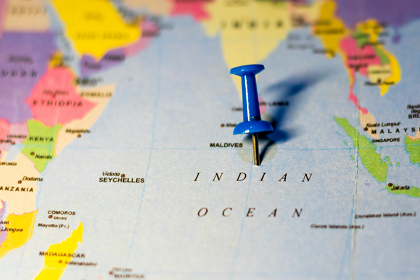
The Indo-Pacific is viewed by powers within and outside the region as both a strategy and policy to interpret the changing geopolitical dynamics in Asia and beyond. But the question of its geographical and geopolitical definition has varied. Opinions among governments and academics have traditionally differed, but over the years, a viable consensus for a wider definition of the concept seems to have emerged.

brics-2 Courtesy: oneindia.com
30 June 2022

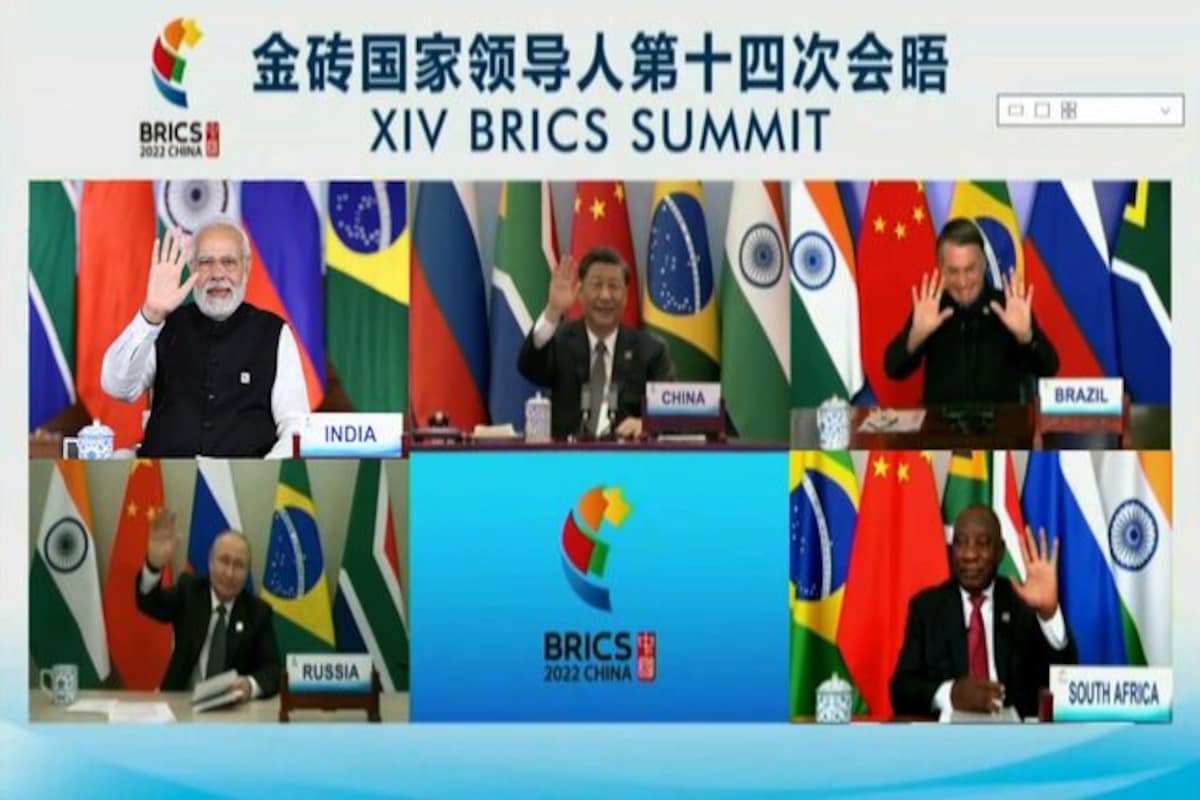
BRICS – the rhetoric and the reality

The Galwan crisis, pandemic and the Ukrainian war have weakened the BRICS’ credibility, a forum that has played a pivotal role in articulating the case for reformed multilateralism. Beyond grandiose rhetoric and vested interests, these five nations need to first infuse the grouping with internal solidarity and enhance mutual trust for peace, stability and prosperity in the Global South.