28455374735_17cf79553a_b Courtesy: Flickr
31 January 2017

Saudi prince: not quite a game changer?

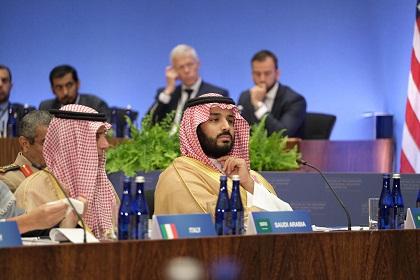
Prince Salman’s accession to the throne after the death of Saudi King Abdullah on 23 January 2015 has been a game changer, both domestically and in West Asian politics. Within days, he sidelined rivals within the House of Saud, and took on Iran with a confrontational policy. But two years later, the results of his new strategy disappoint

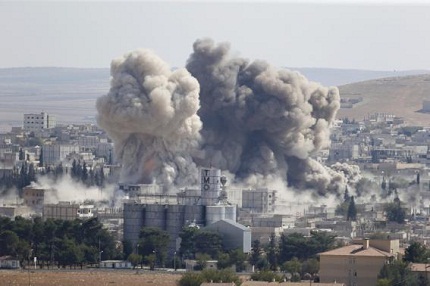
Smoke rises after an U.S.-led air strike in the Syrian town of Kobani Ocotber 8, 2014.     REUTERS/Umit Bektas Courtesy: IB Times
22 December 2016

Syria: energy battles to regional alliances

Aleppo is back under the control of the Syrian government, the Russian ambassador to Ankara is assassinated for his country’s role in Syria, and U.S. President-elect Donald Trump wants to cooperate with Russia to fight ISIS in Syria. These momentous events in modern history compel an assessment of the geopolitics surrounding Syria.

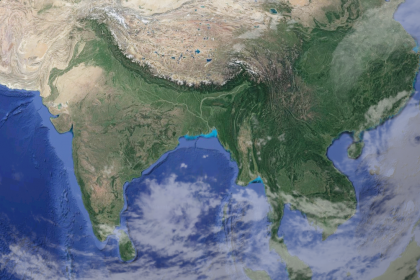
BIMSTEC Courtesy: Google Earth
20 October 2016

BRICS/BIMSTEC’s maritime portents

The recent BRICS summit and BIMSTEC outreach highlighted some laudable maritime endeavours linking geographically distant, emerging economies within the grouping. The BIMSTEC platform is also crucial to India's efforts to create a peaceful Bay of Bengal community through economic and cultural linkages.

nice-attack-1 Courtesy: The Independent/AP
20 July 2016

Islamic State and France: mortal enemies

France's state policy of 'laïcité' (secularism) and its military interventions in Islamic countries has made it the prime target of IS in the West. The hardline French response to step up bombing campaigns against jihadis in Syria, Iraq, and Mali will likely continue, but conversely feeds IS strategy, which is to foment anti-Muslim sentiment among the non-Muslim French population.

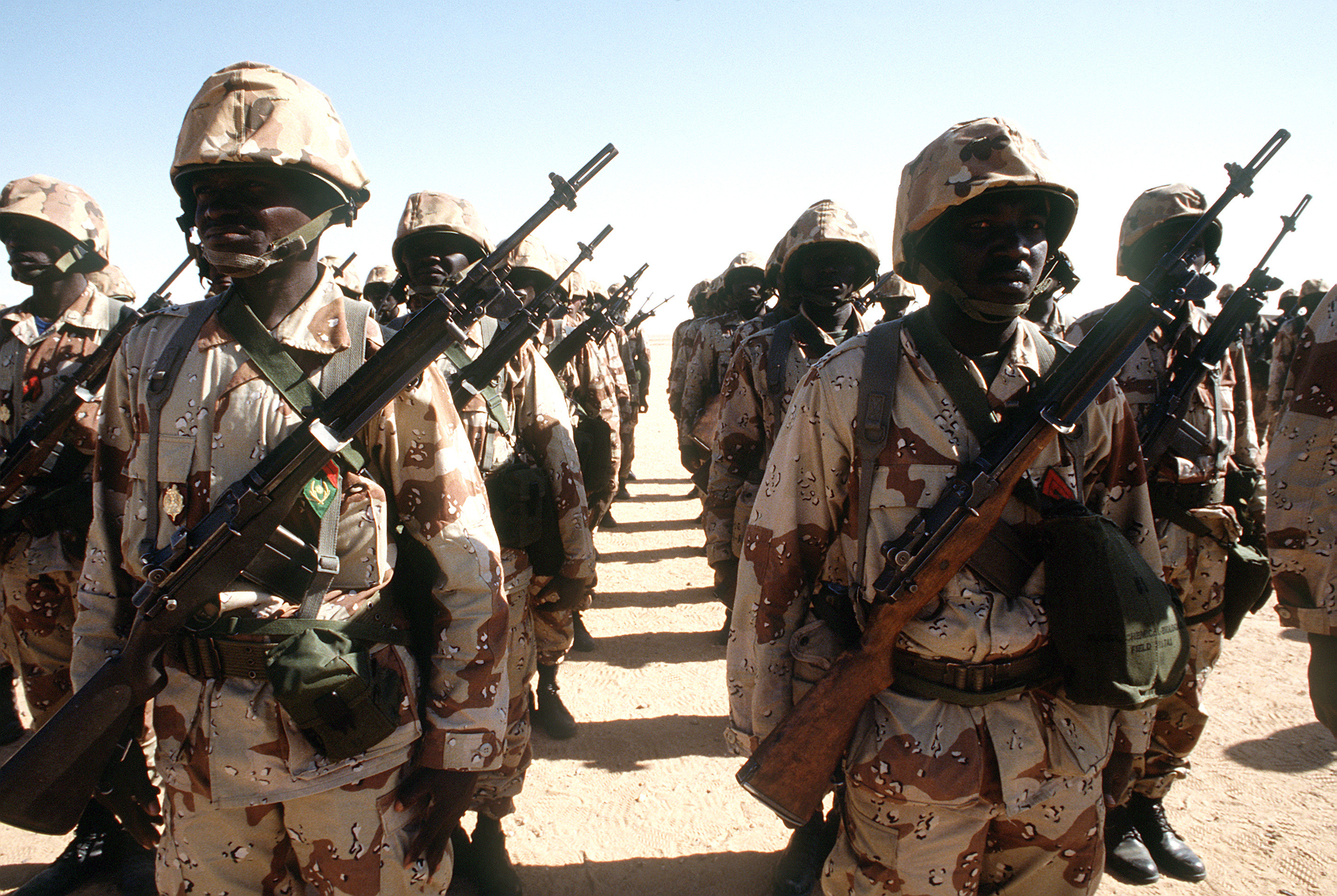
Soldiers in a Niger army unit stand in formation while a dignitary visits their outpost during Operation Desert Shield.  The men are armed with M-14 rifles. Courtesy:
20 January 2016

A new fault line in Nigeria

A recent confrontation between the Nigerian army and the Islamic Movement of Nigeria has rekindled the state’s tensions with its Shia citizenry. However, Nigeria should pay heed to its own contemporary history of the armed crackdown on an obscure religion sect that led to the birth of Boko Haram, and exercise caution while dealing with minority groups.

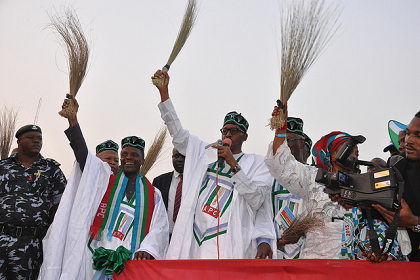
Buhari victory Courtesy: Heinrich-Böll-Stiftung/Flickr
9 April 2015

Time for hope and healing in Nigeria

On 29 May, Buhari was sworn in as the next president of Nigeria, ending the presidency of Goodluck Jonathan. The mandate for Buhari indicates that Nigerians want a firmer hand in dealing with corruption, regionalism, and insurgency. It is now Buhari’s task to fulfil these hopes

IS_2 Courtesy: Wikimedia Commons
19 December 2014

2014: brutality intensified

This year has seen a disturbing increase in brutal violence by terrorist groups across the world—the Islamic State in Iraq and Syria, Boko Haram in Nigeria and the Tehreek-e-Taliban in Pakistan. With non-traditional terror targets like Belgium, Canada and Australia also being attacked this year, 2015 could see a more lethal spread of jihadist terror

west asia W123 Wikimedia Courtesy: W123/WikimediaCommons
6 December 2013

Orienting to the new West Asia

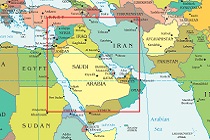
Whether backdoor geopolitics rather than careful negotiations brought about the interim agreement on Iran’s nuclear programme, the next six months will determine its fate. Reactions have ranged from a furious and mistrustful Israel to collective relief by many countries, and a worried India welcoming the agreement