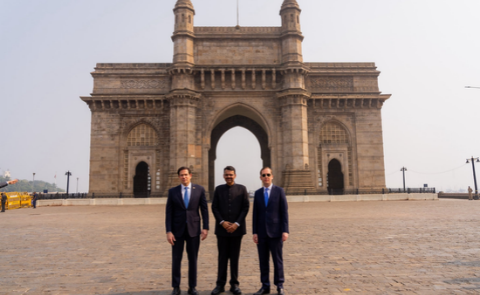
IANS Courtesy: X/ @NationPress
29 October 2026

Energy diplomacy to reset India-U.S. ties?

U.S. Secretary of State Marco Rubio’s visit to Mumbai and Jamnagar from October 20 to 22 reflected a new dimension to the India-U.S. bilateral: economic diplomacy. Referring to India as “a refining superpower” showed how global energy trends have impacted the U.S., whose national interest dictates a deeper energy cooperation with India. The two sides still remain apart on Pakistan, China, Iran, tariffs, and BRICS.
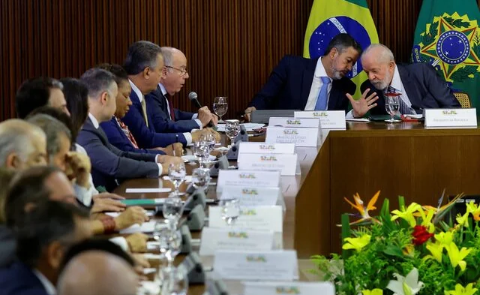
PM Lula Courtesy: Reuters / Ueslei Marcelino
29 October 2026

Be Dynamic, Be Like Brazil

Brazil’s October 25, 2026, elections witnessed President Lula win a fourth term, at a crucial time when Brasília is navigating a fragmenting global trade order. In this chapter of the KEMP Report 2026, Foreign Trade Secretary Tatiana Prazeres explores Brazil’s dual-track approach: expanding bilateral and plurilateral trade agreements while supporting multilateral trade reform. Brazil demonstrates how middle powers can strengthen resilience and preserve strategic flexibility.

India-ASEAN Courtesy: Gateway House
26 October 2026

India and ASEAN get new momentum

As Prime Minister Modi heads to the ASEAN and East Asia Summits in Manila, India-ASEAN cooperation has gained fresh momentum in 2026, the Year of Maritime Cooperation. Joint naval exercises, new subsea cables linking India to Southeast Asian hubs, and growing information-sharing are turning geography into a practical partnership. The real test, however, is trade, where the review of the India-ASEAN FTA remains unfinished.

Mongla port Courtesy: BSS News
15 October 2026

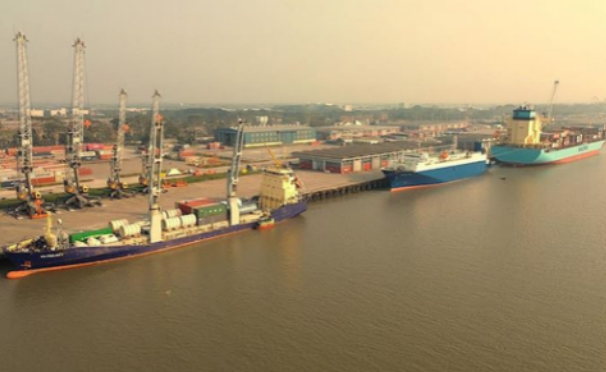
The three ports of Bangladesh

Beijing has agreed to fund a port in Bangladesh, the third port funded by foreign governments. This shouldn’t be a concern for India, because unlike Pakistan and Sri Lanka, it has a diversified lender base. Japan and Russia are the large infrastructure funders, with China in the third place, while the U.S. and the EU are key export markets. India lags as an investor.

TATAs Courtesy: Gateway House
14 October 2026

Ratan Tata remembered: Trust over commerce

The Tata group faces one of the biggest challenges in its history: the preservation or dismantling of the mandate of the Tata Trusts in favour of investors whose primary objective is financial returns. On the second anniversary of Ratan Tata’s death, it is worth remembering that those who carried the name of Tata in their Trusts, believed foremost in “giving India what it needs.”

Reuters Courtesy: Reuters
13 October 2026

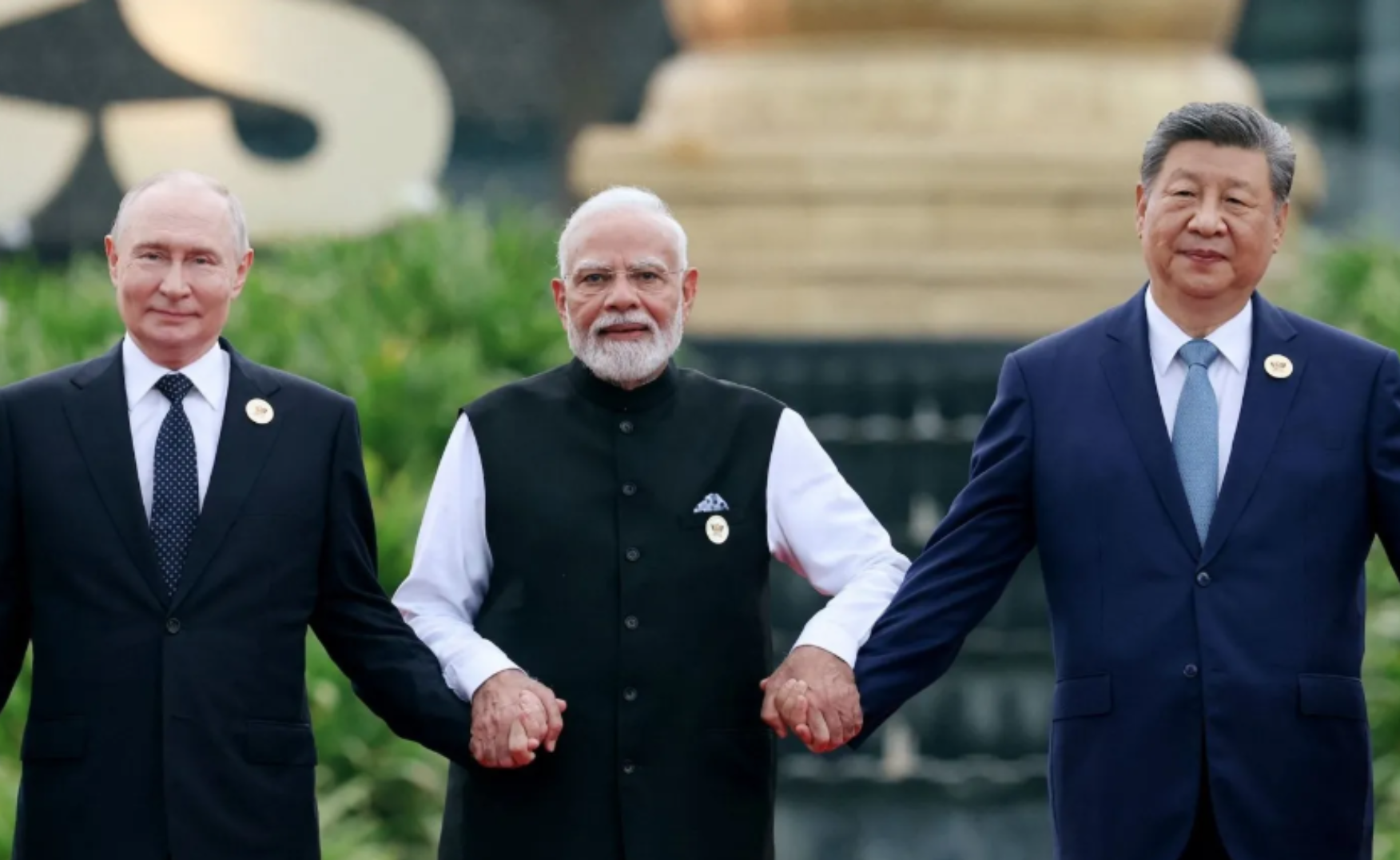
Multiple dimensions of BRICS’ Delhi Summit

 The BRICS Summit in Delhi carried over the issues from the previous years. But it was particularly important because it also hosted the India-China leaders’ bilateral, and it was preceded by the visit of Chinese President Xi to the U.S. The optics of the 2026 Summit will have been keenly watched in Washington for its effect on U.S.-China relations.

Xi-Trump Courtesy:
8 October 2026

A tired U.S.-China tango

Chinese President Xi Jinping’s September state visit to the U.S. produced no joint statement, indicating major differences, although both countries agreed Iran should not develop nuclear weapons and no country should collect tolls in the Strait of Hormuz. Tariffs on China remained unresolved. There was a staleness to the visit, with both countries’ leaders focused on the past. The visit appears to favour China, denoting its growing stature.

Screenshot 2026-10-01 at 12.48.23 PM Courtesy: Gateway House
1 October 2026

New life for IMEC

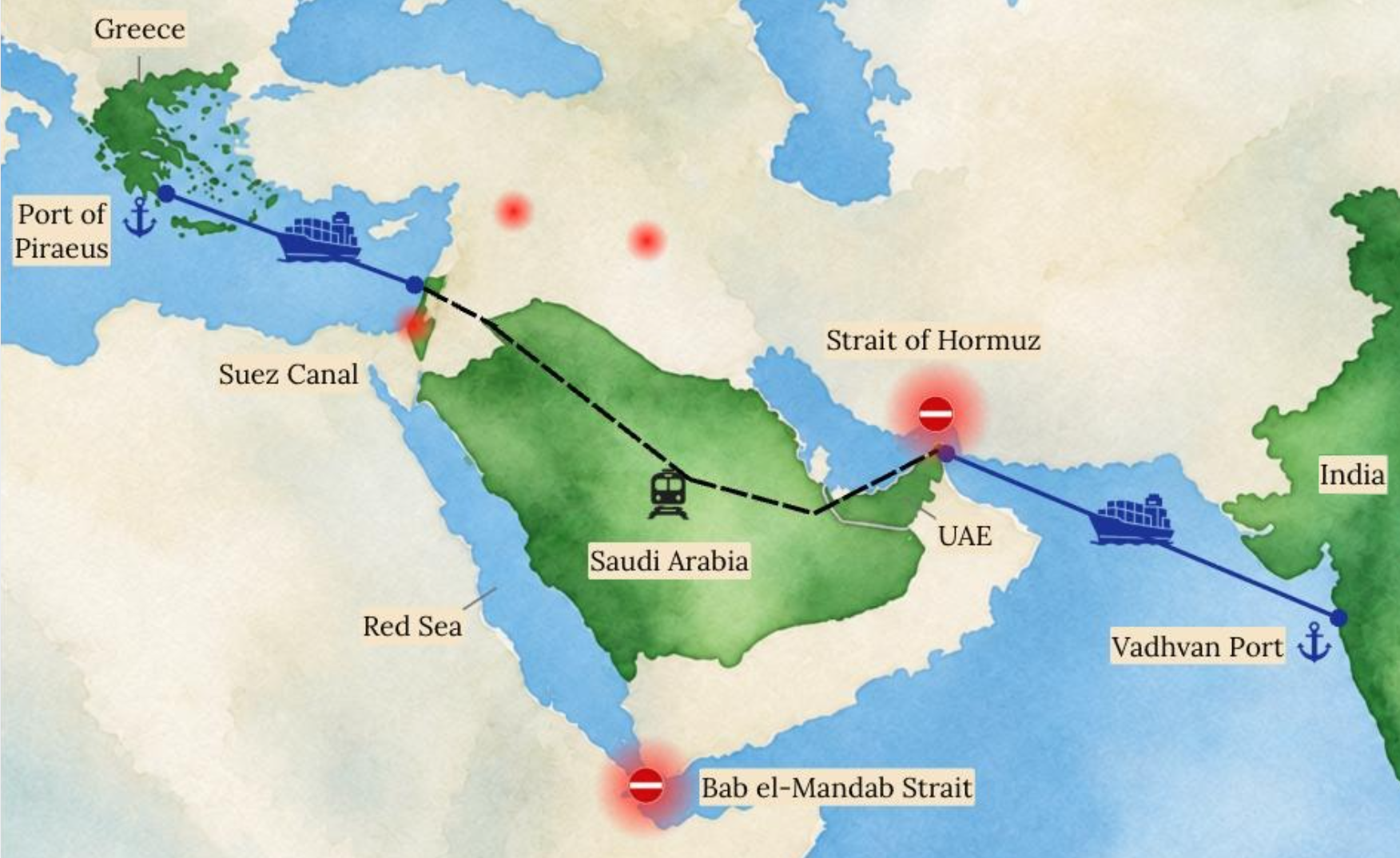
The India-Middle East-Europe Economic Corridor, currently stalled due to conflicts in the Gulf, may be an answer to the disrupted energy flows from the Persian Gulf. The proposed route, which connects the interior of Saudi Arabia to the Arabian Sea on one side and the Mediterranean Sea on the other, has immense value as a conduit for West Asian oil, as well as global data flows.

Mecca Accord Courtesy: Gateway House
23 September 2026

Essay: Mecca Accord re-engineers regional security?

The sustainability of the Mecca Accord is determined by its response to three geopolitical challenges represented by India, Iran, and Israel. The India test centres on preventing the export of South Asian conflicts to the Gulf, the Iranian test rests on institutionalising sustainable deterrence beyond formulas of perpetual clash, and the Israeli axis tests the mechanisms for reshaping Saudi ties with American security and the future of regional normalisation.

BRICS 2026 Summit Courtesy: Reuters / Yonhap News Agency
17 September 2026

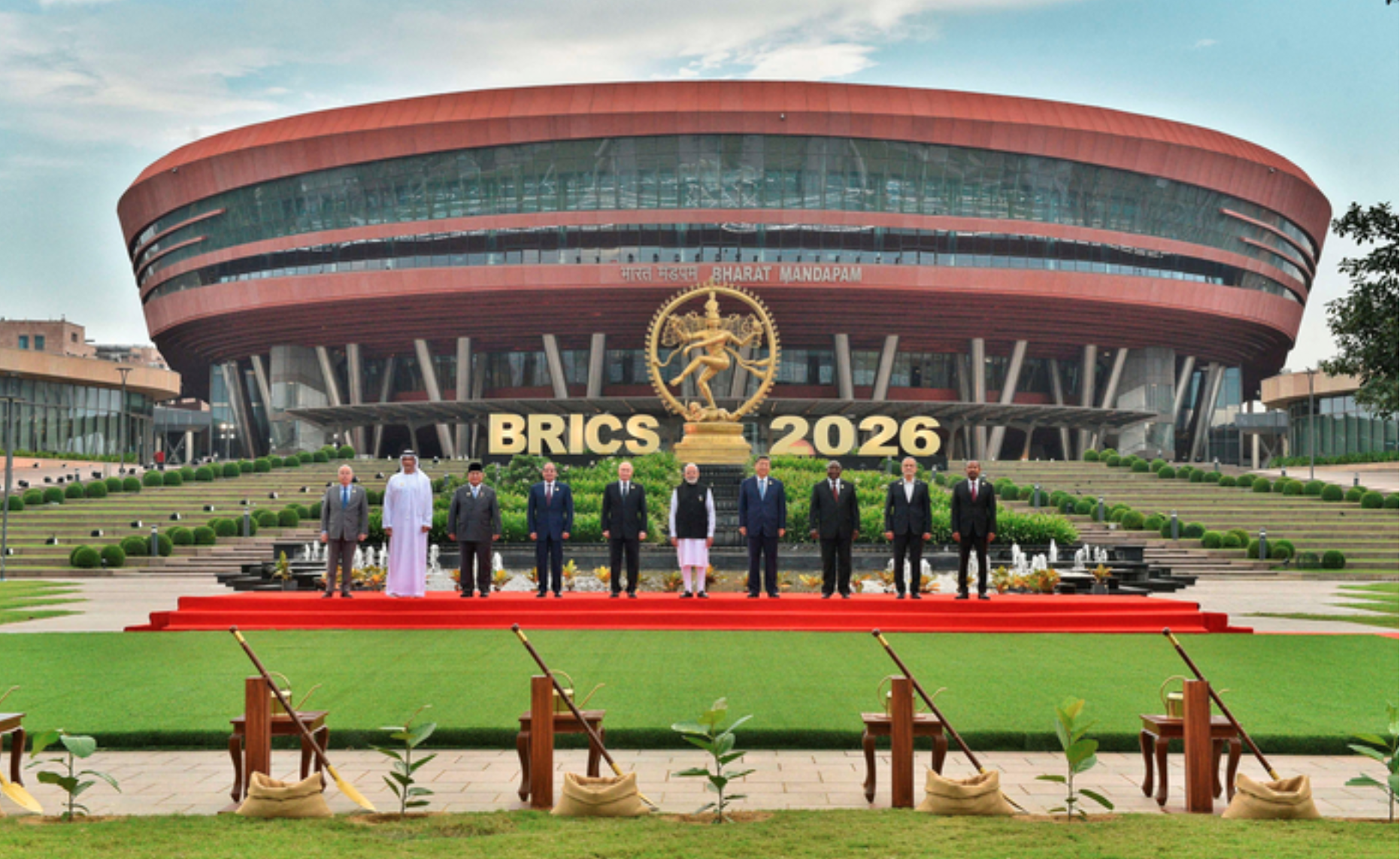
BRICS after the New Delhi Summit

The recent BRICS Summit in New Delhi was declared a success. Its 140-paragraph New Delhi Declaration is the longest yet. With members divided over the Russia-Ukraine and West Asia wars, leaders avoided naming countries or taking positions, focusing on issues affecting the Global South and deepening intra-BRICS cooperation. India steered the grouping towards practical cooperation. The question now is: how will BRICS implement the decisions taken?