amb sk Courtesy: Gateway House
30 April 2026

Unfolding Geopolitics Episode 32 | Iran after the war: survival and strategy 

history, the Palestine issue, the creation of Israel, and strained U.S.-Iran ties. India’s former ambassador to India, Saurabh Kumar, witnessed the hope of the Joint Comprehensive Plan of Action and its collapse. Unfulfilled hopes have led to reignited tensions. The U.S.-Israeli objectives of regime change are still unmet, and Iran’s survival marks a strategic outcome, despite its domestic economic and military strain. Ambassador Kumar discusses Iran and the ongoing crisis in West Asia. 
rk (3) Courtesy: Gateway House
9 April 2026

Unfolding Geopolitics Episode 30 | The future of Persian Gulf oil flows

Following the U.S.–Iran ceasefire and partial reopening of the Strait of Hormuz, energy flows may resume, but uncertainty persists. Robin Mills, CEO of Qamar Energy, and Amit Bhandari, Senior Fellow on Energy, Investments and Connectivity, Gateway House, note that Iran will retain leverage and will continue influencing prices and supply chains. Natural gas shortages will further disrupt fertiliser production and fuel inflation world-wide.

Founding India’s  Gateway House Courtesy: Gateway House
26 November 2025

Founding India’s Gateway House

A former diplomat and a journalist came together in 2009 to build what would become Mumbai’s first foreign policy think tank – Gateway House. It is India’s first women-founded think tank, and among the few globally established by two women. In this conversation with Akshobh Giridharadas of USISPF, co-founders Manjeet Kripalani and Neelam Deo reflect on Gateway House’s origins and the epiphany that India needed to shape global conversations with its own perspective, one that extended beyond New Delhi.

trump - japan (1) Courtesy: Gateway House
24 July 2025

Unfolding Geopolitics Episode 20 | PM Modi’s Maldives visit

All eyes are on the July 25-26 visit of Prime Minister Modi to Maldives as chief guest for the Maldivian Independence Day celebrations. It’s a remarkable turnaround by Maldivian President Mohamed Muizzu, who won the 2023 election on an “India Out” campaign. What caused the change? Proximity and geopolitics, says Rajiv Bhatia transformed Maldivian view.

IMEC map with source Courtesy: The China-Global South Podcast
19 June 2025

U.S.-China rivalry: Middle Powers’ playbook

In the current era of geopolitical uncertainty, the Middle Power states are deepening engagement with countries of the Global South while reducing their exposure to the U.S. and China. Manjeet Kripalani and Carlos Coelho spoke to Eric and Cobus from The China-Global South Podcast, on how countries like India and Brazil are navigating this increasingly contested world.

106778241-16044749652020-11-04t072658z_796191984_rc27wj9khv0h_rtrmadp_0_usa-election-trump Courtesy:
21 November 2024

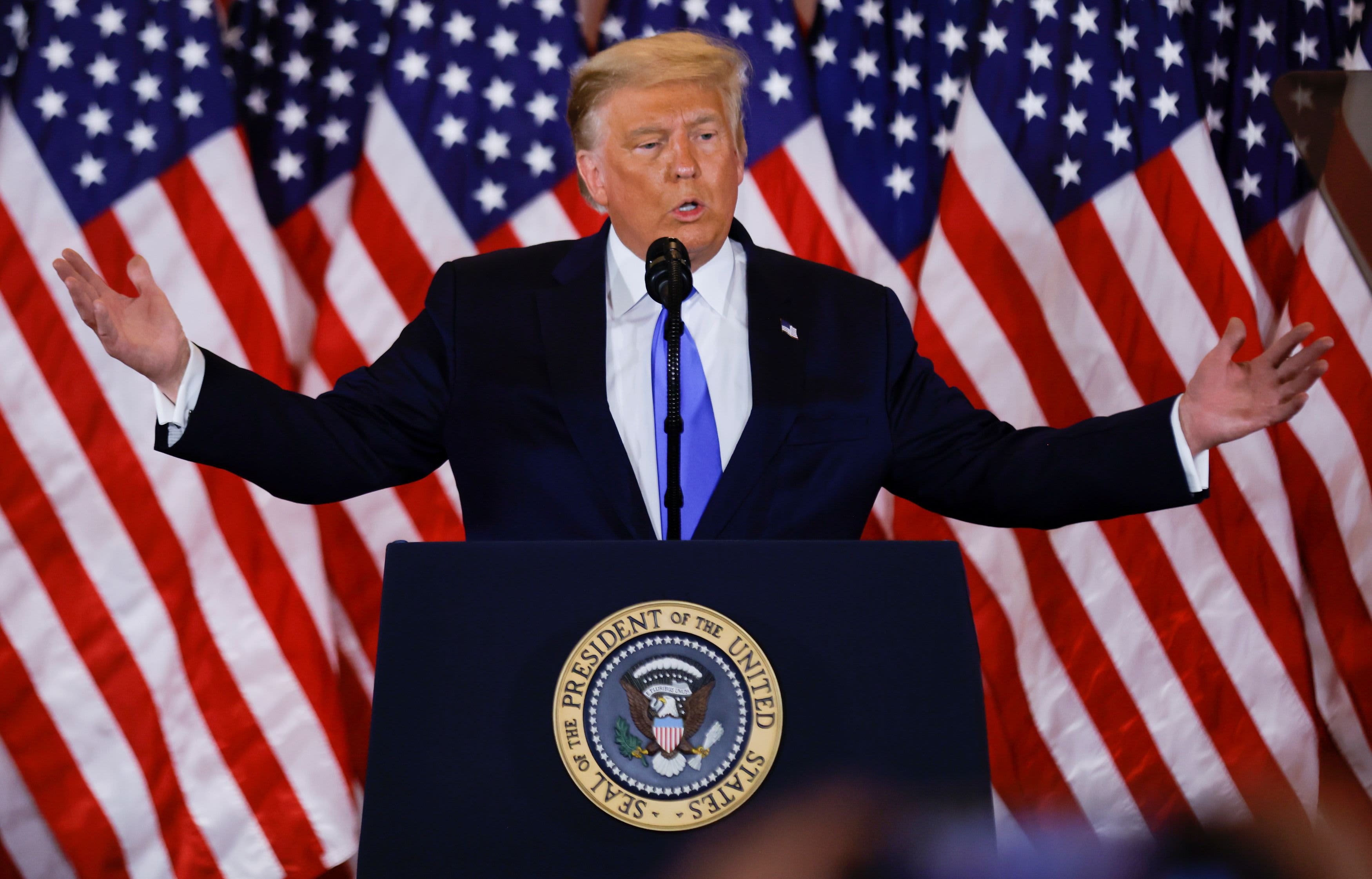
Unfolding Geopolitics | Episode 16, U.S. under Trump: turning inward

Domestic concerns regarding the cost of living, immigration and crime were the key issues that brought about change in the U.S. Presidential elections. Taranjit Singh Sandhu, former Indian ambassador to the U.S., discusses the election outcome and its geopolitical implications, the potential economic and political trajectory of a Trump presidency, and the future of the India-U.S. bilateral.

putin Courtesy:
26 September 2024

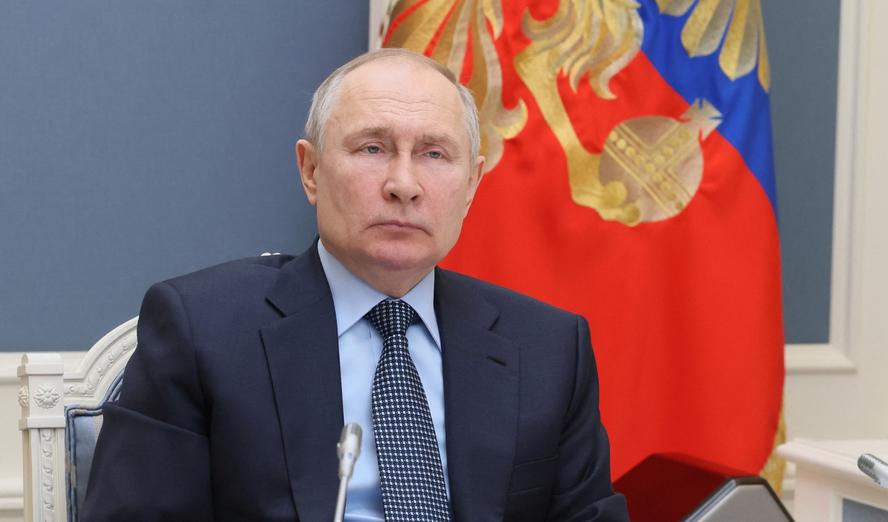
Unfolding Geopolitics, Episode 13 | Russia’s wartime diplomacy

On-ground realities and political dynamics have shifted in the Russia-Ukraine war, with the latter’s incursion into Russia’s Kursk region, even as there is a push for peace from multiple quarters. Ivan Timofeev, Director General of the Russian International Affairs Council discusses Russia’s perception of the conflict and peace efforts, its expectations from the BRICS Presidency and means of boosting commercial cooperation between India and Russia.

dedoll Courtesy: CNBC
1 March 2024

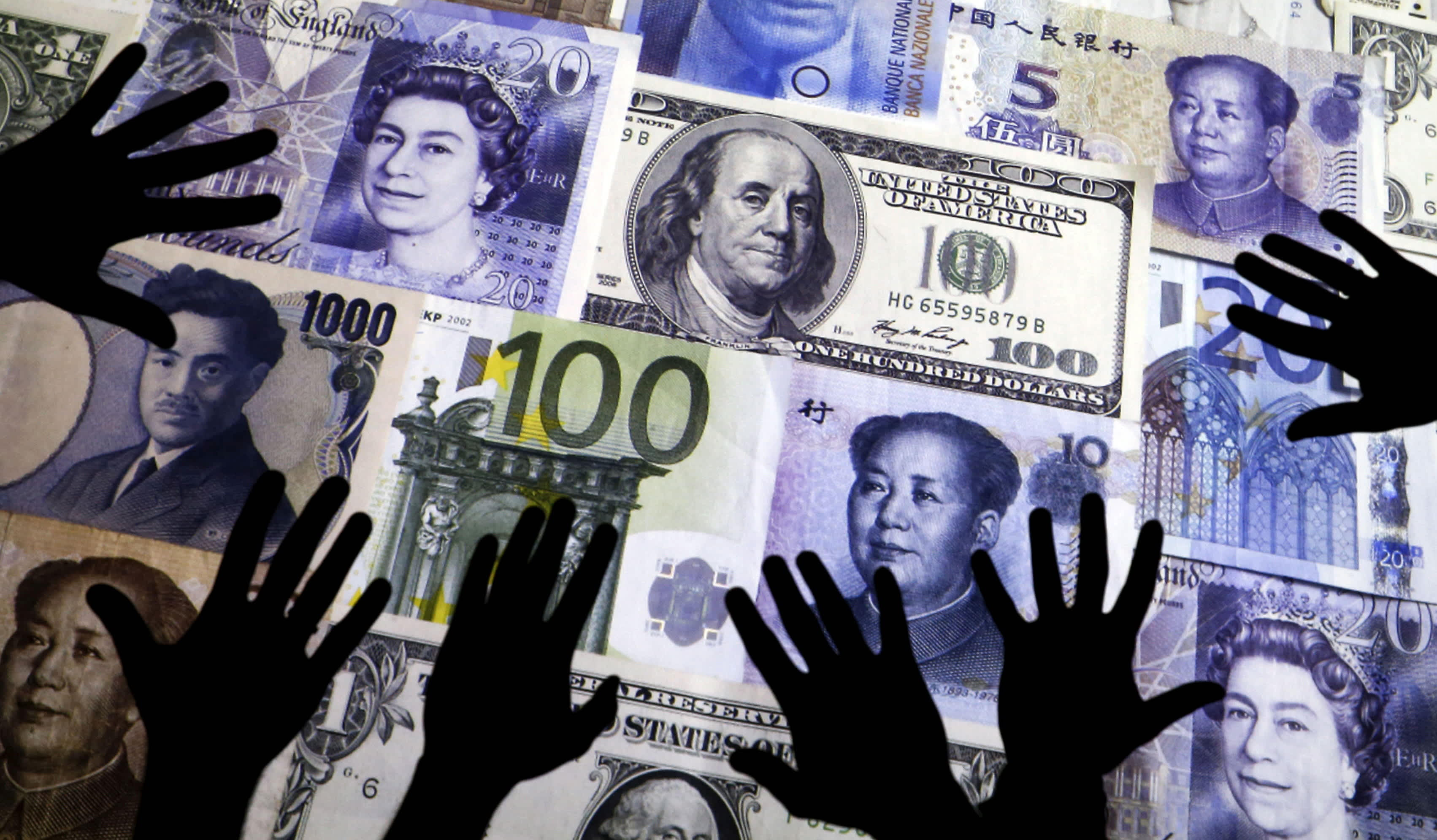
Unfolding Geopolitics | Episode 7, De-dollarisation: economic or political?

The imposition of sanctions, continuing wars and the rise of new geopolitical blocs seeking to move away from western economic dependence, have prompted talk of ‘de-dollarisation,’ switching from the U.S. dollar as a currency of trade and reserves. Surjit Bhalla, well-known economist and India’s former representative at the International Monetary Fund, discusses the logic behind de-dollarisation and the key indicators of its sustainability or demise.

peak china Courtesy: Financial Express
23 February 2024

Unfolding Geopolitics | Episode 6, Peak China—or not

Has China peaked? India's leading China expert and Adjunct Distinguished Fellow for National Security and China Studies at Gateway House, Lt. Gen. S.L. Narasimhan discusses China's economy, the sustainability of Chinese global influence, the future of U.S.-China relations, and what this means for India. China, he says, will continue to be a shaping force in geopolitics, and the India-China relationship will continue to be one of interdependence.

guyana Courtesy: Revolutionary Communist Group
14 December 2023

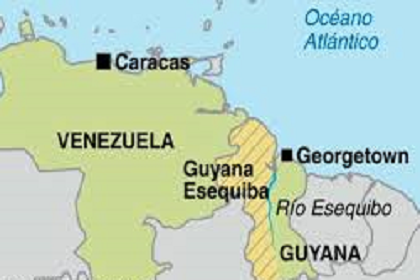
Unfolding Geopolitics | Episode 2, Essequibo dispute: colonial shadows and resource riches

Venezuela's claim to the Essequibo region of neighbouring Guyana has focused world attention on yet another colonial-era border dispute. With elections coming up, the declining Venezuelan economy laying claim to newly-discovered rich oil and mineral deposits in Guyana has some traction. For Guyana, the claim to its land is non-negotiable as this developing country looks forward to accessing its own wealth. Purvi Patel, Visiting Fellow at Gateway House and Latin America expert, offers her insight.