Gateway House Courtesy: Gateway House
4 June 2026

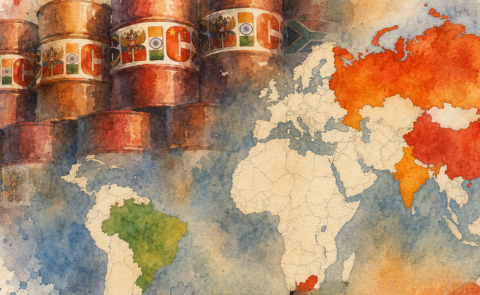
A BRICS Energy Stability Framework

The 2026 Persian Gulf conflict has pushed energy security to the forefront of the BRICS agenda. Divergent national interests prevent the grouping from acting as a unified geopolitical bloc, the growing energy crisis highlights the need for stronger economic cooperation. Proposals such as a BRICS energy reserve, an Energy Stability Fund, and cross-border investments could enhance resilience and be essential if BRICS wants to emerge as a serious economic grouping.
DD India Courtesy: DD India
4 June 2026

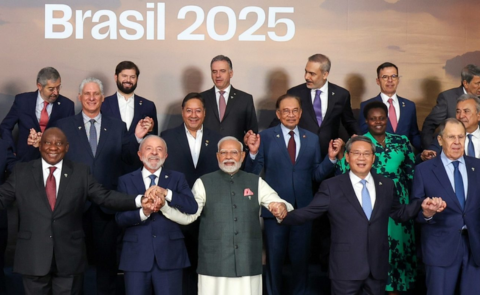
BRICS at a Pivotal Moment

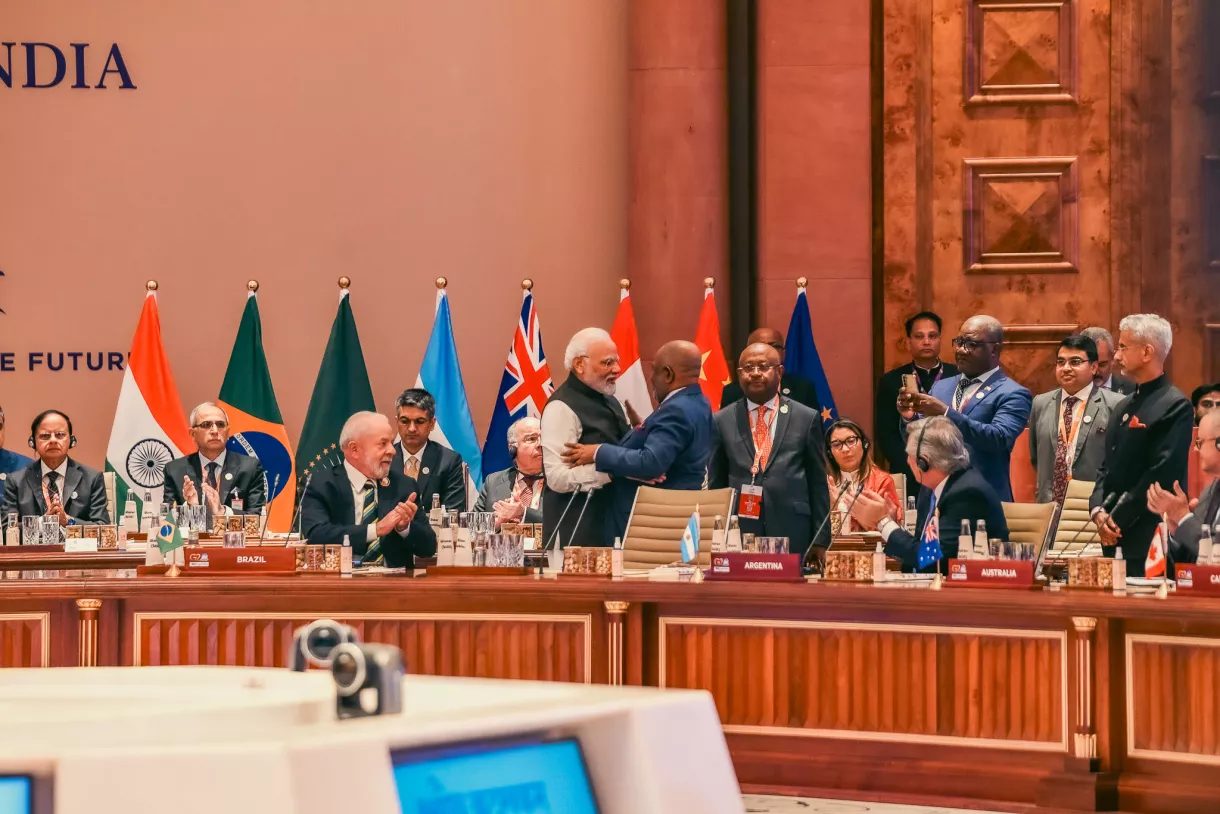
BRICS is too significant to ignore but too fragmented to drive meaningful change for the developing world. The West Asia conflict, U.S. tariff threats over de-dollarisation, UNSC reform divisions, and the presence of regional rivals has exposed its internal strains. Will India’s ongoing 2026 chairship rise above the contradictions, and manage to turn BRICS from a reactive forum into a more assertive and credible global force?

Getty (1) Courtesy: Gateway House
15 May 2025

The New Geopolitics and South Asia’s Trade Architecture – What Next?

Geopolitics is increasingly intertwined with the economic destiny of South Asia. Even before the U.S. tariffs were rolled out, growing polycrises had hit the global economy, which has been struggling since the pandemic. South Asia seems a relatively bright spark of regional trade and growth. This paper analyses South Asia’s trade architecture in the backdrop of a sluggish world economy in the 2020s, and makes recommendations for closer regional economic integration.

SriLankaCrisis Courtesy: Business Standard
9 May 2024

Sovereign default and economic crisis in Sri Lanka

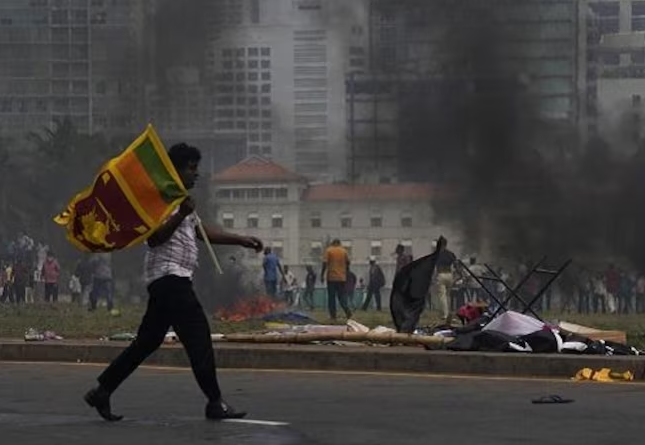
In April 2022, Sri Lanka defaulted on its foreign debts kicking off its worst economic downturn in over 70 years. In a paper for the Institute of South Asian Studies, Ganeshan Wignaraja examines key policy, the benefits of IMF support, and the role that Indian aid has played in Sri Lanka’s recovery while emphasising potential risks of its upcoming presidential and parliamentary elections.

The_Future_of_Digital_Public_Infrastructure-_A_Thesis_for_Rapid_Global_Adoption Courtesy: Carnegie India
28 March 2024

Synergising DPI and digital commons

Digital Public Infrastructure (DPI) and digital commons have the potential to accelerate achievement of the sustainable development goals. Both India and the European Union recognise this: India is a pioneer in DPI, while the concept of digital commons is gaining better attention within the EU. The partners must now work towards a joint understanding of the core principles that govern digital resources.

india's g20 hbs Courtesy: Heinrich-Boll-Stiftung
14 December 2023

India’s G20 Presidency: Policy Prescription to Impact

India’s G20 presidency was effective in insulating the forum from geopolitical turbulence and placing the spotlight on the Global South. Although the G20 stands strengthened today due to India’s creative and forward-looking presidency, member nations confronting inter-state contestations, domestic elections and concurrent economic crises in the coming year will have to muster the political will to ensure a sustained commitment to the grouping's promises.

Supply-chains-cover Courtesy: Gateway House
5 July 2023

The Great Supply Chain Shift from China to South Asia?

Supply chains are central to the new chapter of India-U.S. relations. Simultaneously, China-centric global supply chains, which underpinned East Asia’s prosperity, are changing as multinationals re-assess risks in the post-Covid era. Is the shift to India and the rest of South Asia occurring? This paper finds that South Asia supply chain pessimism could be changing, and India can spread gains through regionalising supply chains in its neighbourhood.

GIGA_map_of_Indo-Pacific_Kontur_resize Courtesy: Science Po
28 July 2022

India’s blue economy and the Indo-Pacific’s future

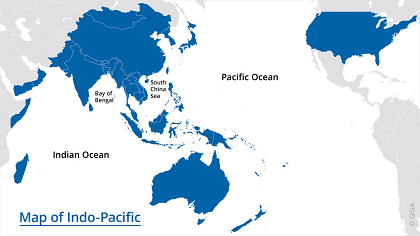
The Indo-Pacific region envisages the Indian and Pacific Oceans as a continuum and stands on two central pillars – maritime security and economic development. The public discussions, however, are focused on maritime security, strategy and geopolitics, while economic development has received less attention. This imbalance can be corrected by creating an awareness on how to harness the potential of the region's Blue Economy and its vast resources and opportunities.

Critical-minerals-Australia-Government-strategy-640x400 Courtesy: Small Caps
28 July 2022

Partnering with Japan for critical minerals supply

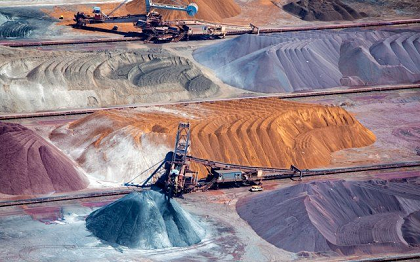
The supply of critical minerals, crucial for new and emerging technologies such as electric vehicles, electronics and renewable energy production, faces a significant disruption due to Covid and the Ukraine crisis. As the prices of these valuable resources surge, India can secure its supplies through the sagacious use of financial investments, efficient policies, and propriety technology. A collaboration with Japan can offer multifaceted benefits.

Untitled Courtesy: Gateway House
23 June 2022

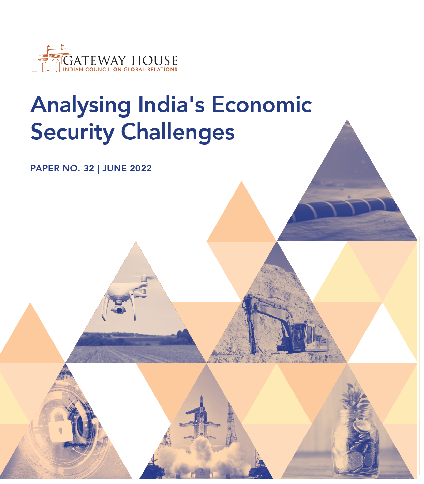
Analysing India’s Economic Security Challenges

Low global commodity prices, strong FDI inflows, and sustained growth have boosted the Indian economy in the preceding decade. This favourable economic climate, however, was disrupted by the pandemic and the crisis in Ukraine, exposing vulnerabilities in the global economic system. This paper focuses on India’s economic security challenges, particularly in six sectors - Food, Energy, Finance, Data, Space & Undersea Cables and Critical Minerals - and suggests possible courses of action.