Website articles  (73) Courtesy: AFR
2 April 2026

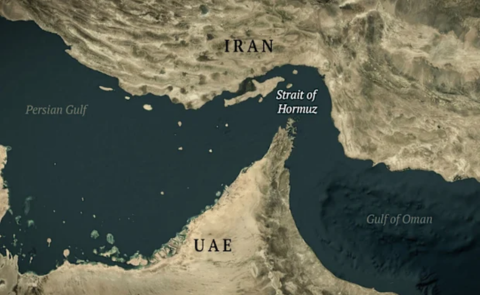
India’s options after the Persian Gulf war

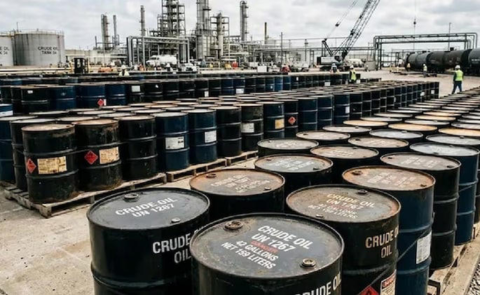
The Persian Gulf conflict has already impacted India’s oil imports and financial security. However, India has not created meaningful options to protect itself from oil shocks over the last decade – and such shocks will continue. Now is the time for India to make equity investments in oil and gas companies in stable economies like the U.S., Canada and Australia, to protect itself from future energy crises.

Website articles  (71) Courtesy: Iran Front Page
2 April 2026

The siege of Iranian higher education

The transformation of higher education and research in Iran over the last twenty years is a cautionary tale in cultural sociology and political economy. Iran has transitioned from a global colleague with high rates of international collaboration to an isolated, ideologically purged state that has pivoted its innovation engine toward survival. The outward migration of talented Iranians is a terminal threat to the nation’s long-term prosperity.

Website articles  (62) Courtesy: Gateway House
26 March 2026

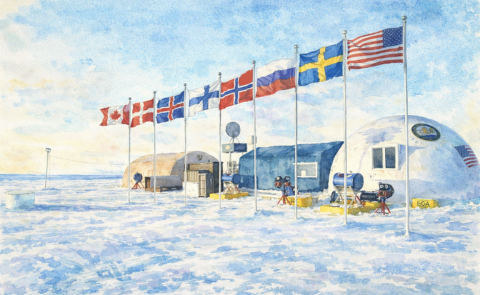
Arctic politics: between competition and cooperation

The Arctic region is at the crossroads of the dramatic environmental shifts and heightened conflict that are shaping global politics today. In the region, major geopolitical events and enduring rivalries necessitate a logic of competition, yet coordination on transboundary issues remains important. This echoes the challenges facing oceans, ecosystems and planetary problems in global governance more broadly, in which political efforts yield frustratingly incremental, yet indispensable, results.

Website articles  (60) Courtesy: MSN
19 March 2026

Gulf War pinches South Asia

The war in the Persian Gulf has already caused significant disruption in India’s South Asian neighbours. A prolonged conflict is likely to push the region back into economic and political crises from which it had been hopeful of emerging this year.

Website articles  (56) Courtesy: Gateway House
19 March 2026

BRICS CBDCs can lead to financial multipolarity

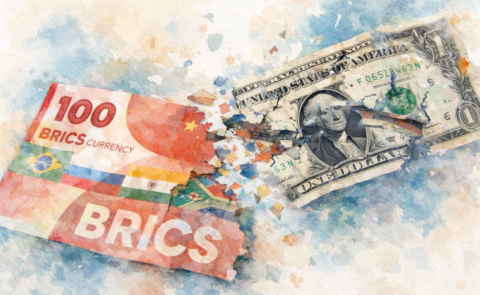
India’s proposal to link the digital currencies of the BRICS nations could alter how emerging economies settle trade deals. It is necessary to examine the reasoning behind such a move, its effort to reducing dollar dependence, and the benefits that accrue to India.

Website articles  (13) Courtesy: Gateway House
5 March 2026

The geometry of attrition: Iran-Israel-U.S. theatre

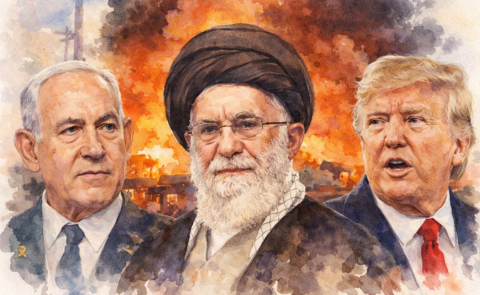
Early indicators of the ongoing war in West Asia point to a conflict trajectory from the rapid decision to the controlled escalation to distributed strike capacity, advanced military integration and mounting regional exposure. Much like Johann Goethe’s Sorcerer’s Apprentice, conflicts initiated based on assumptions of control can acquire a momentum of their own.

Website articles  (44) Courtesy: Indian Navy
26 February 2026

Indian Navy advances ambitions, enhances diplomacy

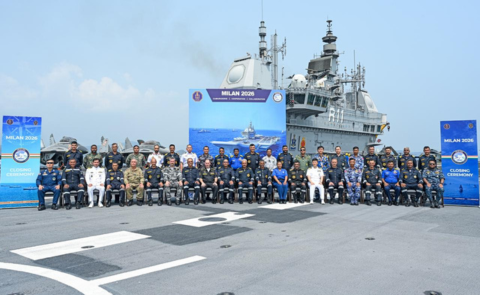
Over the last two decades, the Indian Navy has taken a quantum leap in modernising its fleet with stealth frigates, warships, submarines, and fighter planes. Its goal is to be the net security provider and first responder securing Sea Lines of Communication in the region. But it is still lagging behind its Indo-pacific naval partners and most important, its regional rival, China.

2 (12) Courtesy: Ingram Pinn
19 February 2026

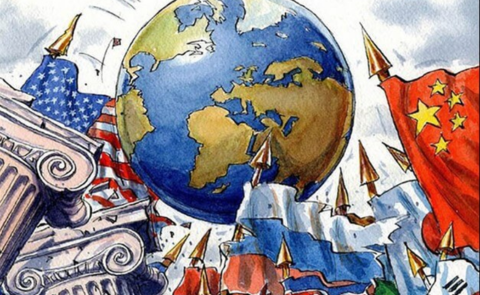
Managing multipolarity in a multilateral world

Multipolarity indicates who holds power, while multilateralism is about how states choose to cooperate. In today’s world, power is diffusing and interdependence is deepening simultaneously. A multipolar world creates fluid alignments and strategic competition, but multilateralism manages interdependence through rules and institutions. The world is becoming both, simultaneously, requiring states to manage competition, preserve cooperation, and stabilise an increasingly complex global landscape. That is easier said.

2 (2) Courtesy: Niamul Rifat
5 February 2026

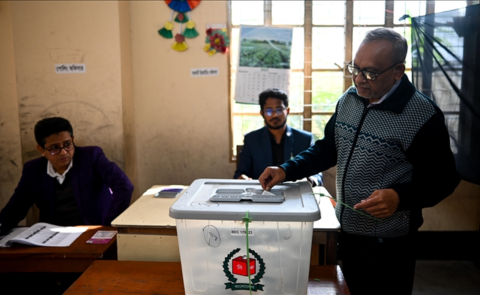
Will Bangladesh polls achieve stability?

In less than a week, on 12 February, Bangladesh will witness one of its most consequential parliamentary elections. The same day, the people of Bangladesh will also vote on a referendum that seeks to overhaul the country’s governance structure. The outcome of both, whichever way they turn out, is likely to pull Bangladesh into a vortex of political turmoil.

News on Air (3) Courtesy: Gateway House
29 January 2026

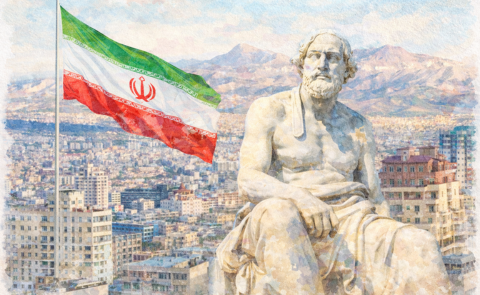
Iran: away from the Thucydides trap?

Iran has often stood at the crossroads of social and political metamorphosis and regional geopolitical recalibration, from the Islamic Revolution of 1979 to the attrition of the Iran-Iraq War. The current landscape reflects the convergence, once again, of internal pressures and sharper deterrence postures, that the social compact—from a Lockean and Rousseauian perspective—needs a new edition, and that timely diplomacy to prevent escalation is required.