China-SriLanka-Title Card Courtesy: Gateway House
1 December 2016

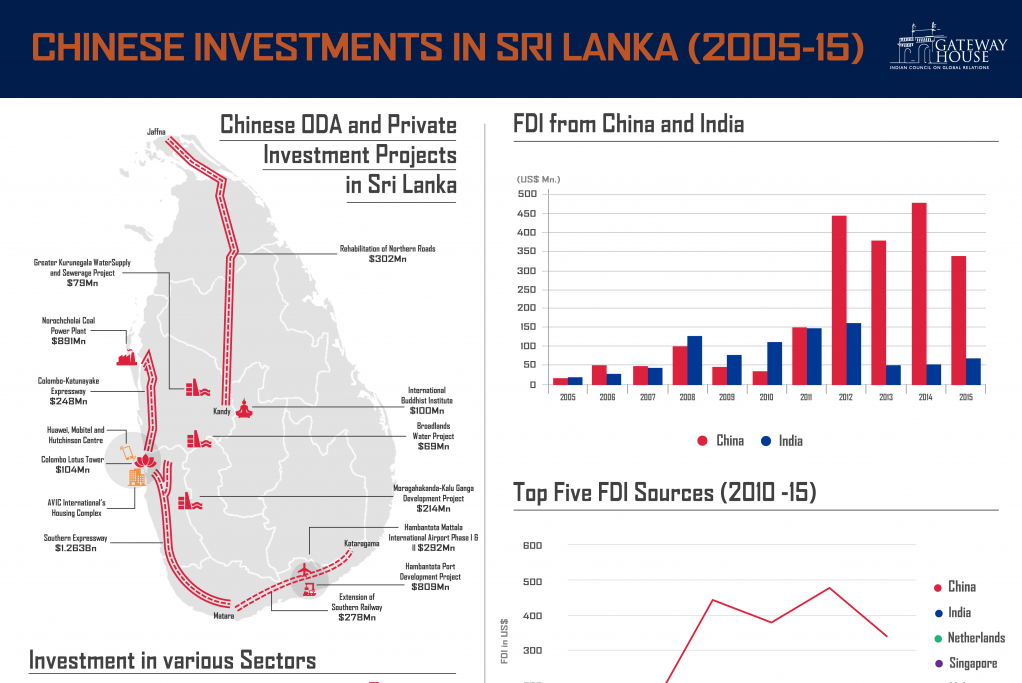
Chinese investments in Sri Lanka

China is the largest investor in Sri Lanka today, with funding and investment of nearly $15 billion. Gateway House tracks the Chinese money trail to Sri Lanka-- where it lands, where it stays--and assesses its depth. This is the second in the Gateway House Series on Chinese investments in South Asia.
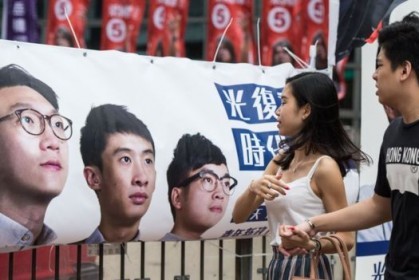
hong kong election Courtesy: AFP
8 September 2016

Hong Kong’s divided political landscape

The unanticipated success of "radical" candidates in Hong Kong's Legislative Council election, including student activists central to the "umbrella revolution" of two years ago, has shaken the territory's pro-Chinese establishment and seized ground from more moderate pro-democracy voices. More fractious politics look set to continue in the immediate future.

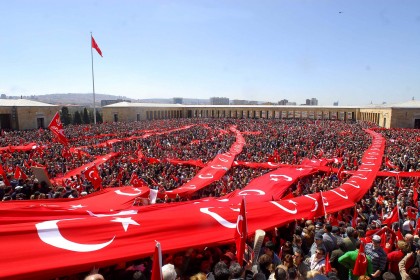
Protect_Your_Republic_Protest_-_1_(2007-04-14) Courtesy: Wikipedia
18 August 2016

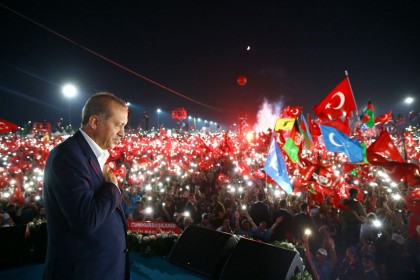
Turkey post-coup: stronger than ever

It was the iron will of the citizens of Turkey and their uncompromising belief in the deeply rooted democratic traditions and institutions of the country which proved to be critical in defeating the July coup attempt. Turkey will continue the reforms which have made it a shining light in the region

5374e4111fc116307d4e734013dfc175 Courtesy: Yahoo
18 August 2016

Turkey’s fight for democracy

The July coup in Turkey did not achieve its objective of eliminating President Erdogan, who has, ironically, emerged a ‘national hero.’ Does this signal a new beginning? An analysis of the factors impending upon the colossal repair-and-rebuild task before the country.

1042327973 Courtesy: Sputnik News
6 July 2016

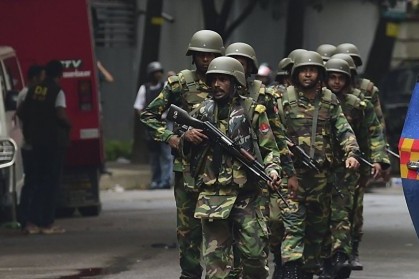
Terrorism in Bangladesh

The recent terror attacks in Dhaka, the capital of Bangladesh, turned the spotlight on the country’s increasingly violent and volatile political situation. The interplay of deep political divisions, the rise of radicalised student politics, religious extremism, which the government has failed to rein in, and the spread of trans-national terror networks has created a toxic cocktail in Bangladesh with dangerous implications for India.

IMG_2283 Courtesy: Manjeet Kripalani
2 June 2016

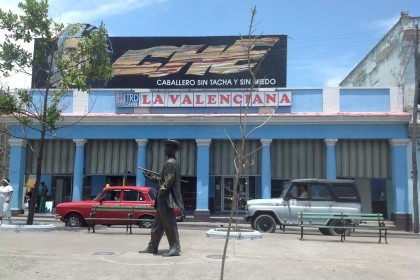
The sanctioned, sleeping beauties awake

The crippling effect of American sanctions are thorough; designed to strangle economies and bring entire nations to a halt. However, they unknowingly pull people together, imparting a deep sense of patriotism and often sparking innovation which can quickly surpass any other world power. With sanctions being lifted on nations like Myanmar, Iran and, hopefully, Cuba, the question remains whether they will retain their uniqueness or fall into line with the rest?

Aerial_View_of_Tehran_26.11.2008_04-35-03 Courtesy: Wikipedia
22 May 2016

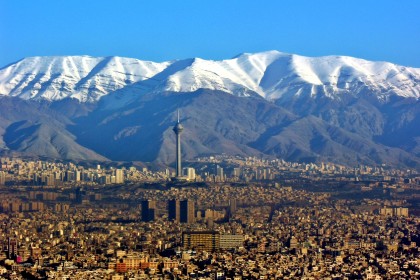
Time for Modi to capitalise on Iran

Despite the Joint Comprehensive Plan of Action having been in effect since January 2016, the promised business opportunities for Iran seem to have eluded them, as U.S. led economic sanctions still hold firm. With Prime Minister Modi’s upcoming visit in May, there is ample scope to redouble the India-Iran partnership for the strategic interest of both parties.

Modi Asean Courtesy:
12 May 2016

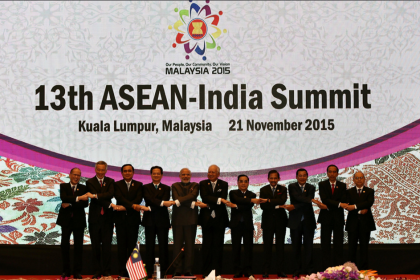
India’s Act East Policy so far and beyond

In two years, the Modi government’s Act East Policy has gone well beyond the focus on economic ties of its predecessor, the Look East Policy. It has made progress on many wider fronts, including connectivity and defence collaboration. India must now build on this success and further consolidate relations and trade links with ASEAN and beyond

Modi Make in India Courtesy: MEA/Flickr
12 May 2016

Progressing ‘Diplomacy for development’

Are we witnessing a new genre of diplomacy for development? Prime Minister Modi’s clear articulation and vigour have convinced most people that a fast, inclusive, and sustainable socio-economic development of India is the government’s primary goal, and increased cooperation with external partners and effective diplomacy are critical to achieve this mission.