AFP Courtesy: AFP
14 August 2025

India-U.S. trade: geopolitics or geoeconomics?

India-U.S. trade negotiations have faltered. India stepped outside its comfort zone to offer zero tariffs on industrial goods that form 40% of U.S. exports to India, but the additional 25% tariffs have rendered most Indian exports noncompetitive. Only a carefully balanced, incremental negotiating framework blending economic pragmatism with protection of core domestic interests backed by political will, stands a realistic chance of bridging the current impasse.

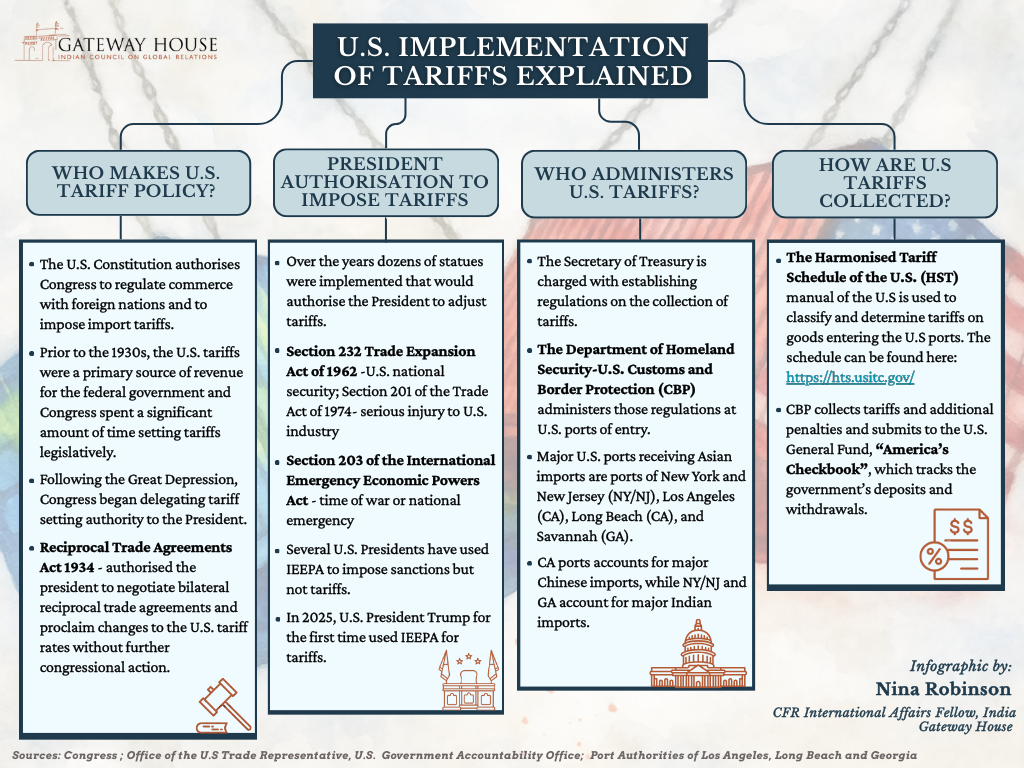
U.S. Implementation of tariffs Explained1 Courtesy: Gateway House
13 August 2025

The path of U.S. tariff policies

Who makes, imposes, administers and collects U.S. tariffs? The U.S. Congress, but for the last several decades, it has been at the discretion of the U.S. President, who has been given tariff-setting authority. Under the International Emergency Economic Powers Act, 1977, U.S. President Donald Trump has imposed reciprocal and universal tariffs on over 60 countries.

Website articles  (22) Courtesy: Getty Images
3 July 2025

Diversifying supply chains for critical minerals

The Quad Foreign Ministers’ Meeting in Washington on 1 July, 2025, underscored the importance of diversified and reliable global supply chains, especially for critical minerals. A Gateway House report shows how to strengthen supply chains for rare earths by creating deep financial markets similar to those that exist for bullion and oil.

Gateway House Courtesy: Gateway House
3 July 2025

China Plus One and global supply chains

A slowdown of the Chinese economy, and the shift, particularly by MNCs, from China to other more competitive locations has opened up business opportunities for latecomers to supply chains in the developing world. Evidence suggests that Southeast Asia and some South Asian countries like India, Sri Lanka, Bangladesh, could be beneficiaries of the supply chain shift, particularly in labour-intensive segments.

Getty (1) Courtesy: Gateway House
15 May 2025

The New Geopolitics and South Asia’s Trade Architecture – What Next?

Geopolitics is increasingly intertwined with the economic destiny of South Asia. Even before the U.S. tariffs were rolled out, growing polycrises had hit the global economy, which has been struggling since the pandemic. South Asia seems a relatively bright spark of regional trade and growth. This paper analyses South Asia’s trade architecture in the backdrop of a sluggish world economy in the 2020s, and makes recommendations for closer regional economic integration.

Mark Carney Win Courtesy: AFP
30 April 2025

Canada’s challenges ahead

The victory of Mark Carney and the Liberals in the Canadian elections is a turnaround from the party's diminished position just four months ago. The former banker's campaign ran on a strong, independent Canada able to stand up to the new U.S. administration’s tariff provocations. Now come the challenges. The Carney government has much work to do in rebuilding ties abroad and bridging Canada's internal divisions.

Screenshot 2025-03-25 111538 Courtesy:
27 March 2025

Is U.S. reset with Russia due to the China factor?

U.S. President Trump is prioritising strategic competition with China and seeking stability with Russia. This approach involves sanctions relief, sidelining Ukraine, and fostering economic ties with Moscow to weaken its reliance on China and reshape global power dynamics. Europe is divided on the outreach to Russia, but the U.S. wants to leverage energy markets and investment opportunities to expand its influence over Moscow.

240730-trump-harris-al-0828-b83c20 Courtesy:
5 September 2024

Ideological differences dominate America’s election

The U.S. presidential election campaign has produced two stunning developments: the attempted assassination of Trump and the withdrawal of Biden, under severe pressure from leaders of the Democratic Party. Putting optics aside, observers should focus on the ideological differences between the two candidates Kamala Harris and Donald Trump, which will be on display on Sept. 10 when they debate the issues.

download Courtesy:
20 June 2024

A new Mexico for a new Middle East

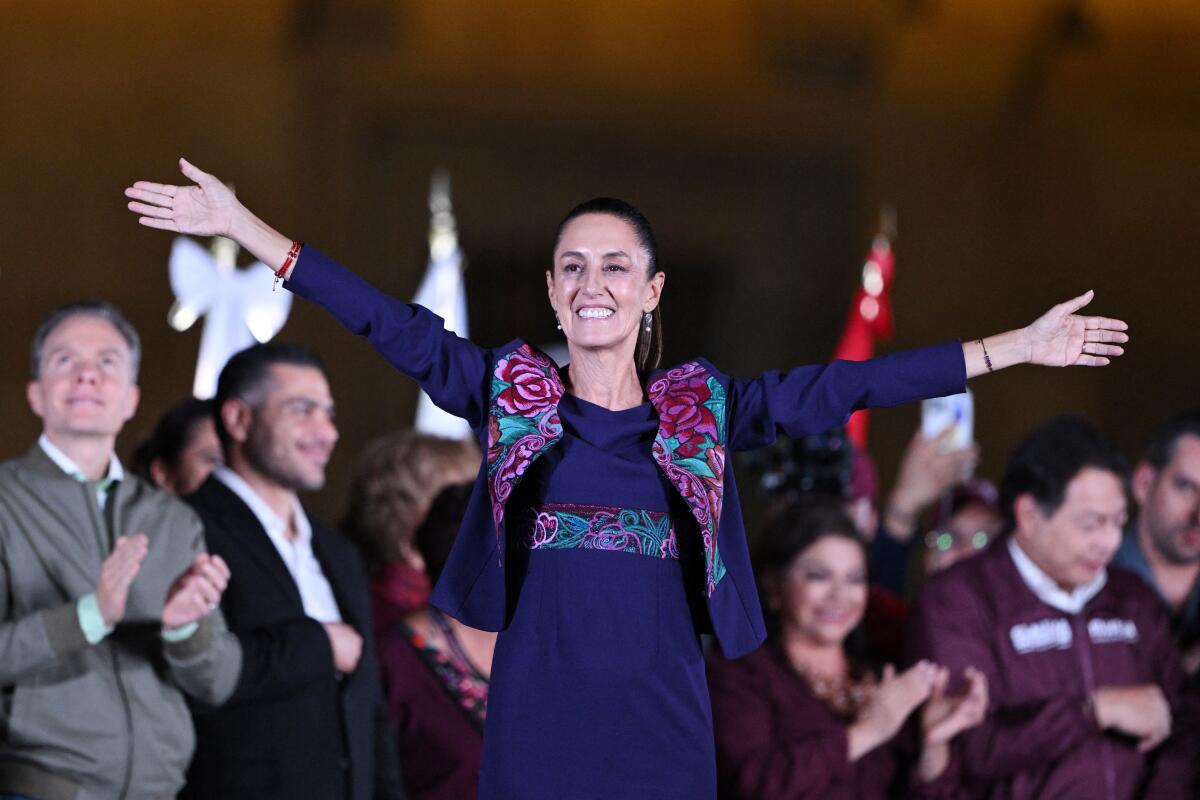
On June 3, Claudia Sheinbaum made history by becoming the first woman elected President of Mexico. In terms of foreign policy and carving a geopolitical identity, this marks the beginning of a new stage of Mexican integration into the global agenda. It provides another dimension for international stability, including a revitalized Mexican perspective of the Middle East.

TrumpV.Biden-indiaToday-2_1200x768 Courtesy: India Today
8 February 2024

Unfolding Geopolitics | Episode 5, The U.S.’ precarious electoral contest

Former President Trump and incumbent President Biden have emerged as frontrunners in the ongoing U.S. primaries. While the former faces several legal hurdles, the latter has been criticised for his response to the crises in Israel and Ukraine and the strategic contest with China. Neelam Deo, co-founder, Gateway House, speaks with Purvi Patel, International Affairs Fellow, Council on Foreign Relations, about the electoral race, legal challenges to Trump's candidature, and what India can expect from another Trump presidency.