G20.Org Courtesy: G20.org
28 August 2025

Appraising Brazil’s G20 Presidency

The G20’s current cycle is unique, with four Global South nations presiding consecutively: Indonesia, India, Brazil, and now South Africa. Brazil’s 2023-24 presidency exhibited both achievements and struggles, prioritising social inclusion, hunger, energy transition, and governance reform. The handover to South Africa marks a significant milestone in G20 history. Will the momentum be followed by the U.S., the next G20 president but also a G20 sceptic?

Bernama Courtesy: Bernama
9 July 2025

Malaysia’s ASEAN Chairmanship disappoints

The 46th ASEAN Summit led by Malaysia in the chair, concluded in May. Malaysia is one of the founding members of the ASEAN, and is fully cognisant of its prolonged challenges, but as chair it has not addressed the issues. It raises questions on whether the stated deliverable of “inclusivity and sustainability” is merely a diversion from the country’s weakening leadership in the region.

Website articles  (22) Courtesy: Getty Images
3 July 2025

Diversifying supply chains for critical minerals

The Quad Foreign Ministers’ Meeting in Washington on 1 July, 2025, underscored the importance of diversified and reliable global supply chains, especially for critical minerals. A Gateway House report shows how to strengthen supply chains for rare earths by creating deep financial markets similar to those that exist for bullion and oil.

Gateway House Courtesy: Gateway House
3 July 2025

China Plus One and global supply chains

A slowdown of the Chinese economy, and the shift, particularly by MNCs, from China to other more competitive locations has opened up business opportunities for latecomers to supply chains in the developing world. Evidence suggests that Southeast Asia and some South Asian countries like India, Sri Lanka, Bangladesh, could be beneficiaries of the supply chain shift, particularly in labour-intensive segments.

Myanmar article Courtesy: X /@antonioguterres
28 May 2025

Quid pro quo for Myanmar’s humanitarian corridor

A proposed humanitarian corridor from Bangladesh to Myanmar’s suffering Rakhine state is the need of the hour. But Chief Advisor Yunus has linked it with repatriation of the Rohingya refugees in Bangladesh, mixing up unrelated issues. This is a classic ploy to distract the public from his own shortcomings, and his single-minded focus to extend and legitimise his regime.

Getty (1) Courtesy: Gateway House
15 May 2025

The New Geopolitics and South Asia’s Trade Architecture – What Next?

Geopolitics is increasingly intertwined with the economic destiny of South Asia. Even before the U.S. tariffs were rolled out, growing polycrises had hit the global economy, which has been struggling since the pandemic. South Asia seems a relatively bright spark of regional trade and growth. This paper analyses South Asia’s trade architecture in the backdrop of a sluggish world economy in the 2020s, and makes recommendations for closer regional economic integration.

Myanmar Earthquake Courtesy: Associated Press (AP)
3 April 2025

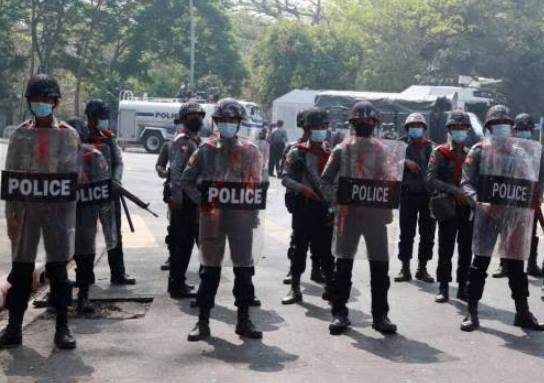
Myanmar’s multiple stakeholders for aid

The March 28 earthquake in Myanmar has devastated a country already in civil war. Multiple groupings and militias now occupy different parts of Myanmar, leaving its neighbours and the international community concerned about which stakeholder to engage with for provision of humanitarian relief, particularly those areas beyond the writ of the ruling military. What can India do to help?

Banner_Final Courtesy:
31 October 2024

India-Myanmar: Borderland Dynamics

Gateway House presents a timeline that highlights the cross-border dynamics between Myanmar and India’s northeast. Myanmar’s military coup and breakdown of authority have aggravated existing local problems related to population displacement, border security, competition for resources and ethnic tensions. Now India must engage more directly with the entities that control land along its borders, and the local communities who know it best.

Myanmar needs outside help Courtesy: The Indian Express
11 April 2024

Myanmar needs outside help

Over three years of civil war in Myanmar, and there is no end in sight. The country’s stakeholders are unable to de-escalate the conflict or reliably distribute aid to those affected. Friends, including India, must step in — not only to stop the fighting and alleviate the suffering, but to help facilitate a return to normalcy.

Indo-Mayanmar_Friendship_Bridge_MOREH Courtesy: Jurist
11 January 2024

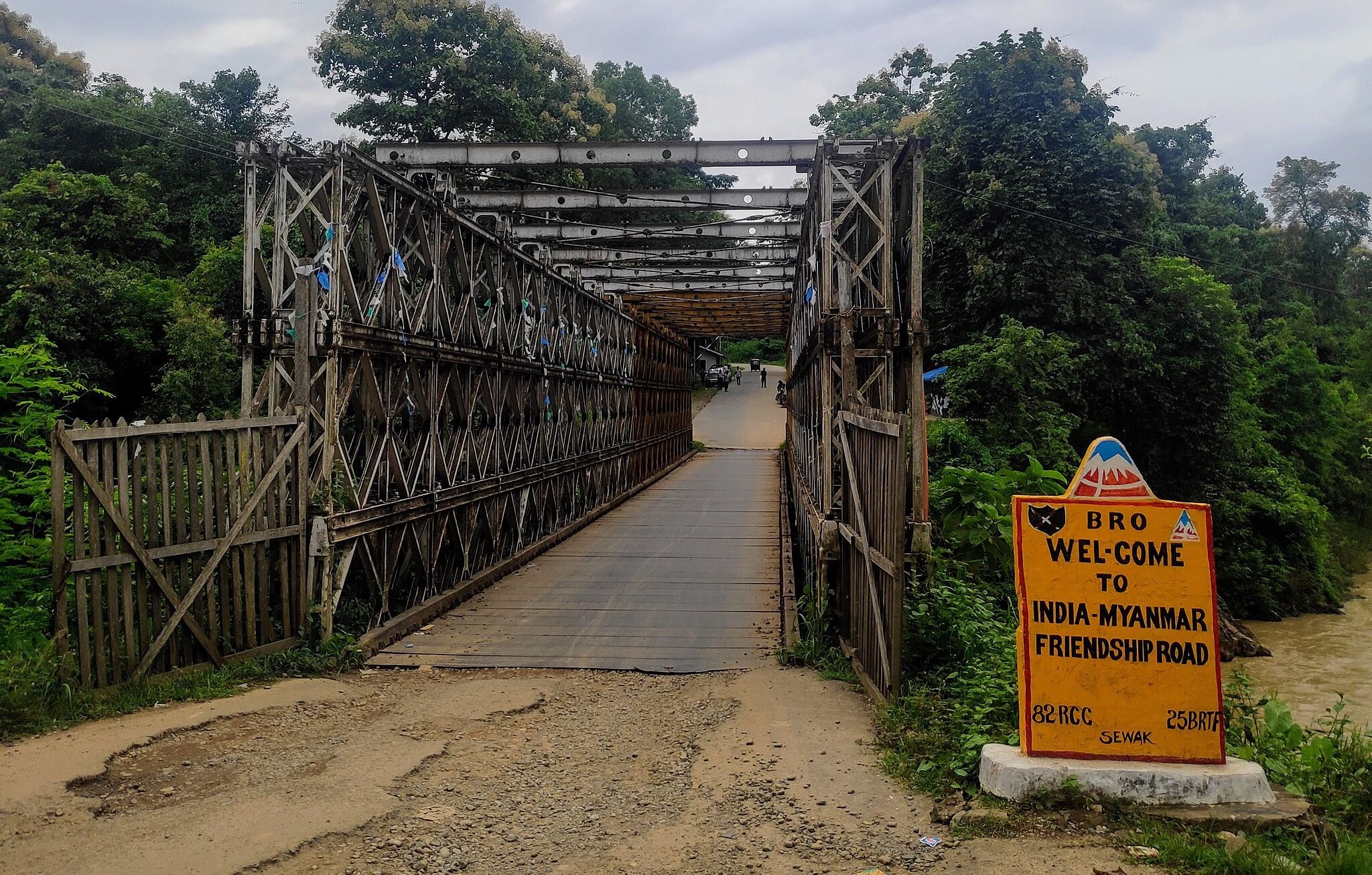
Good fences and good neighbours

The parallel political and security crises in Myanmar and Manipur have led Indian authorities to consider abolishing the Indo-Myanmar Free Movement Regime (FMR). However, without long-term policy efforts to ameliorate the political and economic situation along the border, ending the FMR and fencing the Indo-Myanmar border is unlikely to resolve India’s security problems in the region.