PM Modi’s five-nation tour
PM Modi's five-nation tour highlights that despite geopolitical conflicts, New Delhi remains confident in its ability to balance relationships with the North and South.
Courtesy: X / PMOIndia
PM Modi's five-nation tour highlights that despite geopolitical conflicts, New Delhi remains confident in its ability to balance relationships with the North and South.
Courtesy: Ricardo Moraes / Reuters
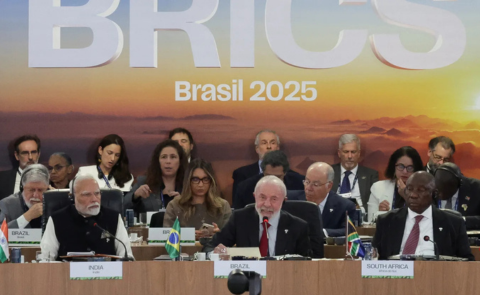
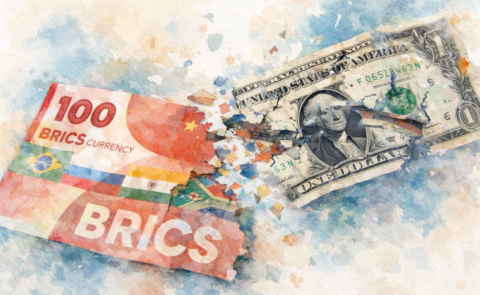
While BRICS does have a wise agenda, backed by considerable unity, it is not in a strong position to garner the world’s support for it. The fissures within the G7, the tensions between the U.S. and Europe, and the unilateralism of Washington leave little room for BRICS to develop an international consensus on the issues agreed at the recent Rio Summit.
Courtesy: X / narendramodi
BRICS is undergoing a major transformation—expanding its membership, redefining its global role, and navigating geopolitical tensions. As the group prepares for the Rio Summit in July 2025, key challenges include integrating new members, reforming multilateral institutions, and balancing economic ambitions with strategic unity. With India set to chair in 2026, the bloc’s evolving identity will shape its global influence.
Courtesy: X / PMOIndia
PM Modi's multi-country visit from 15-19 June to Cyprus, Canada, and Croatia demonstrated India's expertise in nurturing ties with great powers, middle powers and state powers. The common thread was twofold: to represent India at the still-important summit of the Group of Seven in Alberta, and to push India’s strategic partnership with the EU, by forging closer ties with the countries of eastern and central Europe.
Courtesy: Preksha Dugar
The $20 million price tag is a low-cost campaign fee for a country that’s transforming its branding from being “a little red dot” on the shopping map, to becoming a precisely and globally positioned summit state that counts