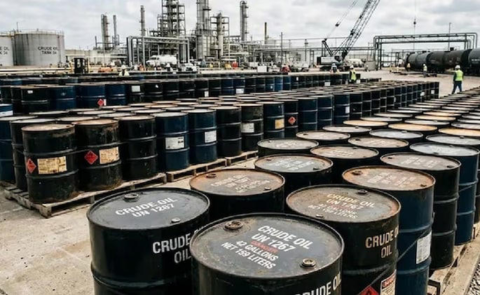
The war in the Persian Gulf has already caused significant disruption in India’s South Asian neighbours. A prolonged conflict is likely to push the region back into economic and political crises from which it had been hopeful of emerging this year.
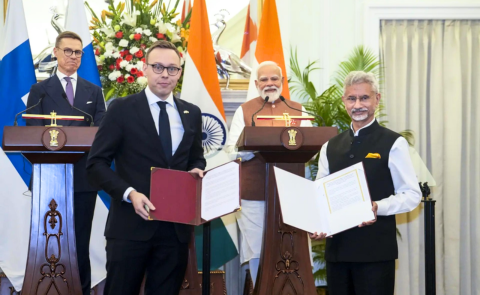
Amid the fast-changing geopolitical landscape, European Union (EU) member states seem to have rediscovered the value of close cooperation with India, an Asian power with greater ambitions. India, too, finds that growth in partnership with the EU and the UK is a source of strategic comfort. Both sides are propelled to deeper mutual policy proximity by the pressures generated by the Trump 2.0 presidency in the U.S.
The high point of Jewish glamour in Hindi films were led by Indian Baghdadi Jewish women – but also by German-speaking European Jewish male refugees in Bombay. Music composer-conductor-musician Walter Kaufmann, and his friend, scriptwriter Willy Haas, both German-speaking Czech Jews, introduced a new sensibility and modern techniques into the early talkie era of Hindi cinema
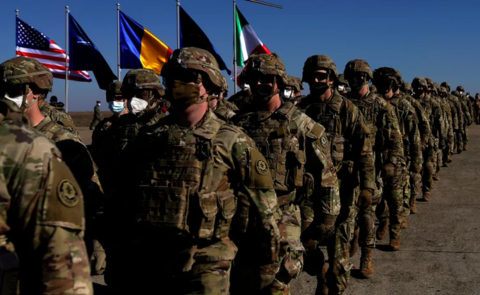
The war in West Asia is crowded with armaments and players, but there is one presence that is LOB, or Left Out of the Battle: that of Europe. The Continent is peripheral in the current crisis. Structural constraints, strategic dependence on the U.S., internal political divisions, and a shift in Europe’s geopolitical priorities since the war in Ukraine, has reduced its strategic weight.
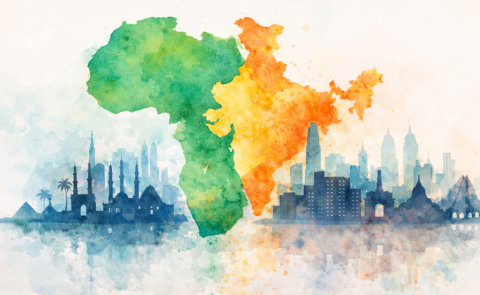
Once central to global strategic discourse, the Indo-Pacific and Africa have been sidelined amid the “Age of Polycrisis,” as attention shifts to crises in Europe and West Asia. While India has long expressed goodwill toward Africa, recent regional tensions have pushed the continent off its strategic radar. Renewed India–Africa cooperation is essential to advancing the agenda of the Global South and strengthening South–South partnerships.
The U.S.–Israel war against Iran will alter the geopolitical landscape of West Asia and adversely impact the global economy, including India. Vali Nasr, Majid Khadduri Professor of International Affairs and Middle East Studies at Johns Hopkins University School of Advanced International Studies, analyses the conflict and its implications in an exclusive conversation with Nayanima Basu.
Early indicators of the ongoing war in West Asia point to a conflict trajectory from the rapid decision to the controlled escalation to distributed strike capacity, advanced military integration and mounting regional exposure. Much like Johann Goethe’s Sorcerer’s Apprentice, conflicts initiated based on assumptions of control can acquire a momentum of their own.
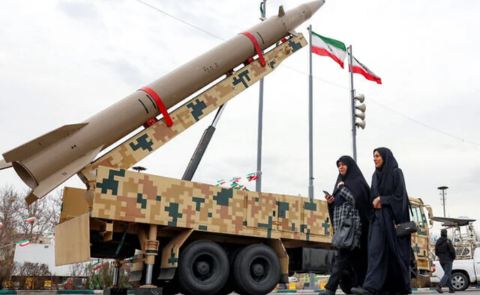
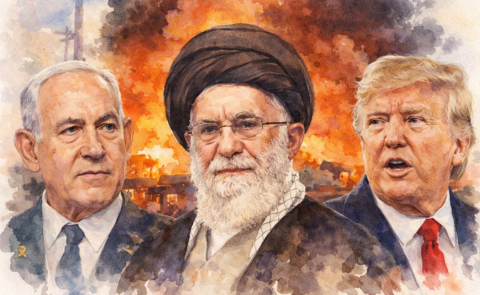
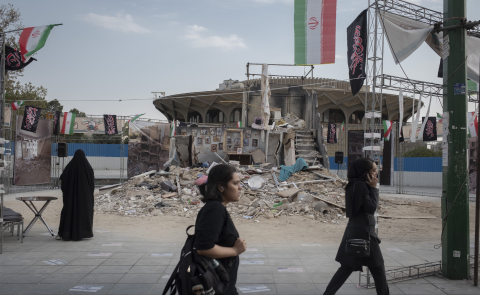
The U.S. and Israel launched precise airstrikes on Iran, targeting nuclear facilities and senior leadership. Their aim is to weaken Iran’s nuclear programme and potentially induce regime change, while Tehran’s priority remains regime survival. The conflict’s duration will depend on whether it remains limited to missile exchanges or escalates into asymmetric warfare.
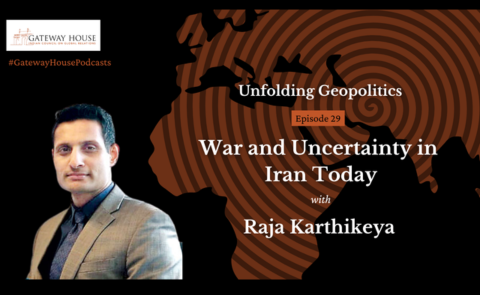
The assumption that the Iranian public will rise up against its religious and political leadership, seizing the opportunity provided by Israel and U.S. strikes against Iran, may not prove true. Iran’s civilisational structure is resilient, and its educated population may not like being dictated to by the West. Raja Karthikeya, a former international civil servant based in Tehran, examines the escalating U.S.-Israel conflict with Iran, its regional and domestic implications and the tenacity of Iran’s political system amid external pressure.
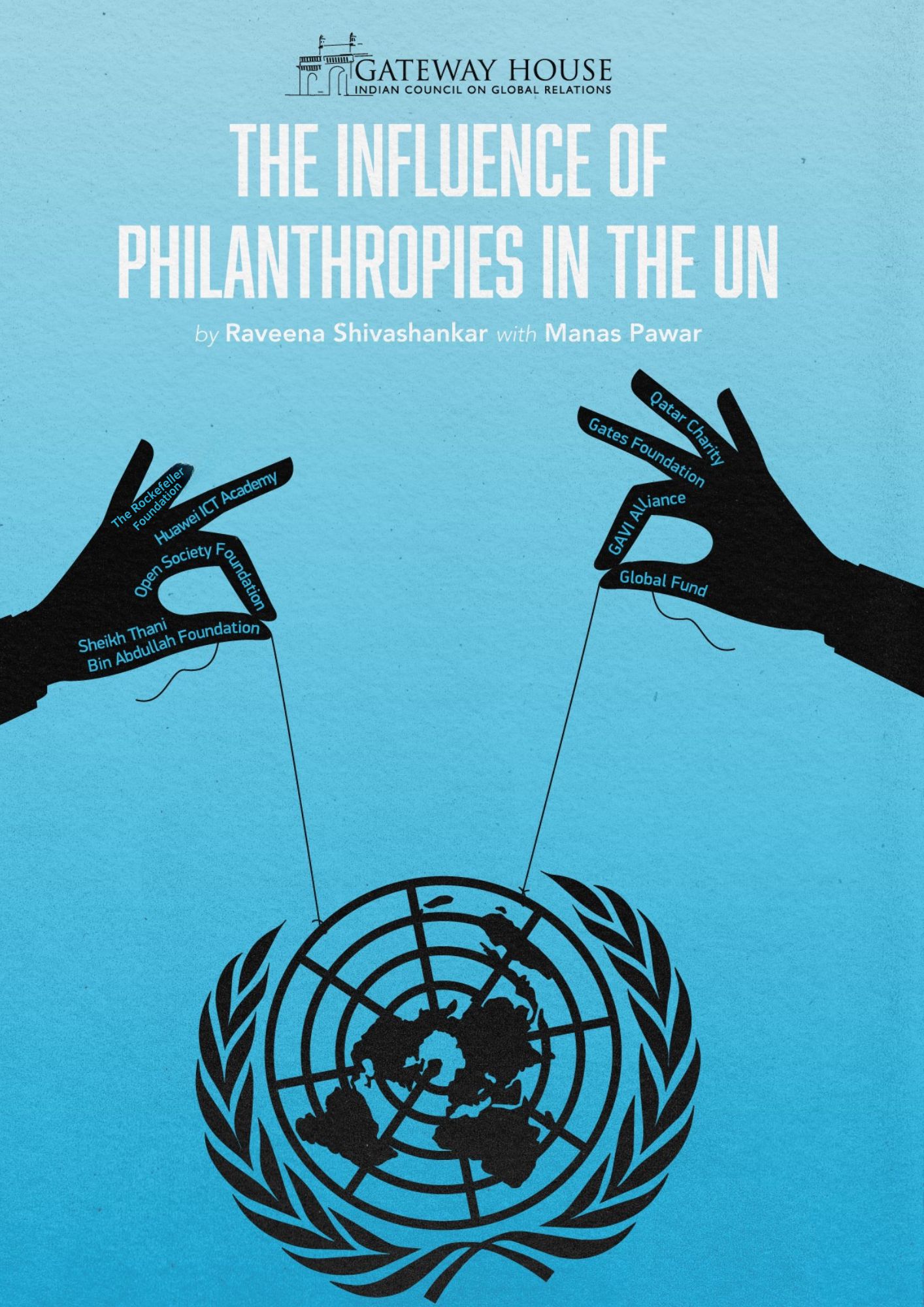
Over the last few decades, countries have stopped, delayed, or withheld their UN dues. The UN’s increasing financial needs have led to the acceptance of “voluntary” contributions. Those which come from any entities or individuals and are now its largest income stream. The biggest of these donors are the global philanthropies, which often have differing agendas from the UN’s responsibilities. This report studies these contributions and examines the linkages between donor priorities and UN mandates.