Website articles  (55) Courtesy: Andreea Campeanu/Getty Images
12 March 2026

Europe’s strategic absence in West Asian conflict

The war in West Asia is crowded with armaments and players, but there is one presence that is LOB, or Left Out of the Battle: that of Europe. The Continent is peripheral in the current crisis. Structural constraints, strategic dependence on the U.S., internal political divisions, and a shift in Europe’s geopolitical priorities since the war in Ukraine, has reduced its strategic weight.

Website articles  (53) Courtesy: Gateway House
11 March 2026

Africa’s Marginalisation: How India Must Respond

Once central to global strategic discourse, the Indo-Pacific and Africa have been sidelined amid the “Age of Polycrisis,” as attention shifts to crises in Europe and West Asia. While India has long expressed goodwill toward Africa, recent regional tensions have pushed the continent off its strategic radar. Renewed India–Africa cooperation is essential to advancing the agenda of the Global South and strengthening South–South partnerships.

Website articles  (52) Courtesy: AFP
9 March 2026

Iran regime change unlikely

The U.S.–Israel war against Iran will alter the geopolitical landscape of West Asia and adversely impact the global economy, including India. Vali Nasr, Majid Khadduri Professor of International Affairs and Middle East Studies at Johns Hopkins University School of Advanced International Studies, analyses the conflict and its implications in an exclusive conversation with Nayanima Basu.

Website articles  (13) Courtesy: Gateway House
5 March 2026

The geometry of attrition: Iran-Israel-U.S. theatre

Early indicators of the ongoing war in West Asia point to a conflict trajectory from the rapid decision to the controlled escalation to distributed strike capacity, advanced military integration and mounting regional exposure. Much like Johann Goethe’s Sorcerer’s Apprentice, conflicts initiated based on assumptions of control can acquire a momentum of their own.

Website articles  (11) Courtesy: Shutterstock
5 March 2026

West Asia conflict: who benefits?

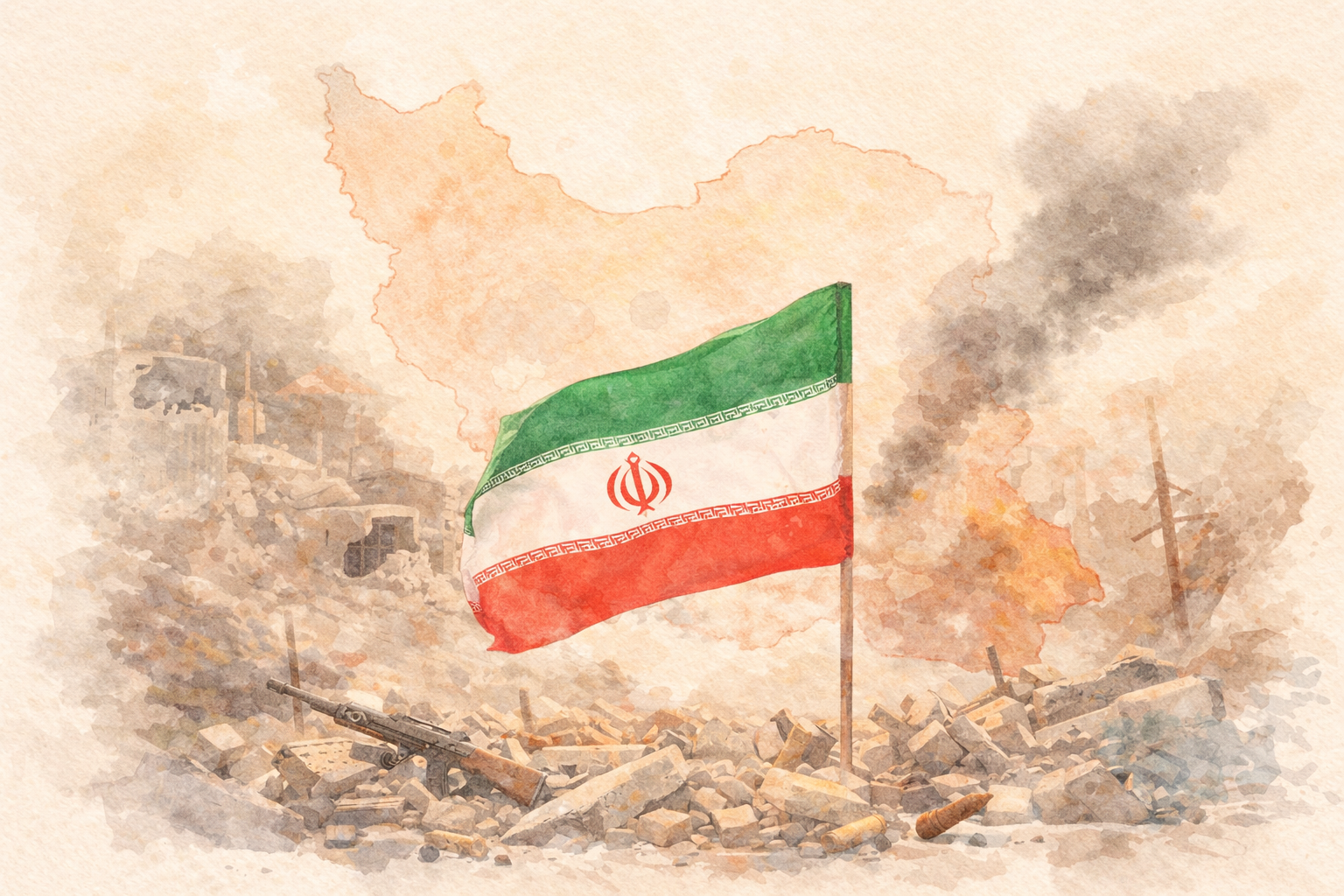
The U.S. and Israel launched precise airstrikes on Iran, targeting nuclear facilities and senior leadership. Their aim is to weaken Iran’s nuclear programme and potentially induce regime change, while Tehran’s priority remains regime survival. The conflict’s duration will depend on whether it remains limited to missile exchanges or escalates into asymmetric warfare.

Website articles  (9) Courtesy: Bloomberg
5 March 2026

Canada-India reset gathers momentum

Canadian Prime Minister Mark Carney’s visit to India from February 27 to March 2, though sandwiched between the AI Impact Summit and the outbreak of the U.S.-Israel war against Iran, produced concrete outcomes with long-term impact. The visit announced a multidimensional roadmap aligning India’s ‘Viksit Bharat’ vision with Canada’s ‘Build Canada Strong’, to ensure the bilateral relationship does not drift apart again.

Website articles  (51) Courtesy: Gateway House
4 March 2026

Unfolding Geopolitics Episode 29 |War and uncertainty in Iran today

The assumption that the Iranian public will rise up against its religious and political leadership, seizing the opportunity provided by Israel and U.S. strikes against Iran, may not prove true. Iran’s civilisational structure is resilient, and its educated population may not like being dictated to by the West. Raja Karthikeya, a former international civil servant based in Tehran, examines the escalating U.S.-Israel conflict with Iran, its regional and domestic implications and the tenacity of Iran’s political system amid external pressure.

Website articles  (50) Courtesy: Gateway House
4 March 2026

Unfolding Geopolitics Episode 28 |Bangladesh’s next chapter: Tarique Rahman’s rise

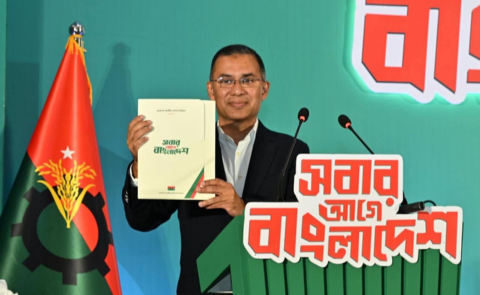
Tarique Rehman has been elected as the new Prime Minister of Bangladesh following the recent elections. Nayanima Basu, Adjunct Fellow at Gateway House, visited Bangladesh and shares her on-ground impressions of the country and its people, the continued influence of student movements, concerns over minority rights, and the resurgence of Jamaat-e-Islami. The future of India-Bangladesh ties must be closely watched as a new chapter begins, underscoring the need for a recalibrated, trust-based bilateral approach.

Website articles  (44) Courtesy: Indian Navy
26 February 2026

Indian Navy advances ambitions, enhances diplomacy

Over the last two decades, the Indian Navy has taken a quantum leap in modernising its fleet with stealth frigates, warships, submarines, and fighter planes. Its goal is to be the net security provider and first responder securing Sea Lines of Communication in the region. But it is still lagging behind its Indo-pacific naval partners and most important, its regional rival, China.

Website articles  (43) Courtesy: Reuters
25 February 2026

Macron, Modi, Lula: the emerging troika

A new troika is on the rise: India, France and Brazil, led by Modi, Macron and Lula. They were present at the AI Impact Summit in New Delhi on February 20, representing the three largest democracies in Latin America, Asia, and Europe. Can their mutual understanding and global influence bring prosperity and resilience to their economies and strengthen their cooperation in addressing global challenges?