Website articles  (11) Courtesy: ASEAN
30 July 2026

ASEAN centrality on display in Manila

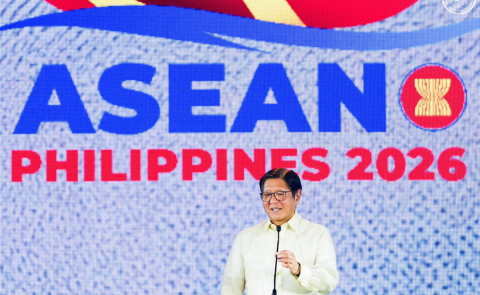
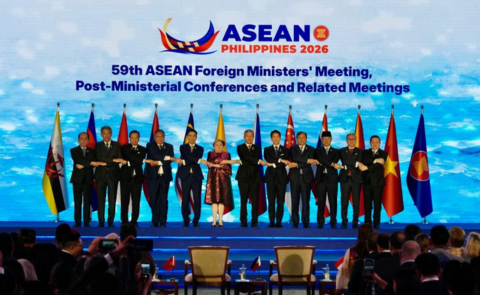
The Manila meetings of ASEAN, held amid continuing crises in Ukraine and West Asia, have demonstrated that ASEAN centrality has not gone out of fashion. Neither the U.S. nor China, despite scepticism about ASEAN's effectiveness, wishes ASEAN institutions to disappear. India, Russia, Japan, Australia, the EU and the UK likewise continue to use these meetings as valuable platforms for Indo-Pacific engagement.

outlook business Courtesy: Outlook Business
9 July 2026

India-Japan Economic Security Pillar

The legacy of the Modi-Takaichi Summit will extend well beyond the bilateral. It demonstrates that middle powers, through responsible and sustained action, are capable of shaping the future of the Indo-Pacific through strategic intent and the resilient economic networks that back it up to promote regional stability. For India and Japan, economic security is the foundation upon which the next generation of the bilateral will be built.

Website articles  (79) Courtesy: @DrJaishankar/X
23 April 2026

Korea re-engages India

South Korea and India have much in common – both are Indo-Pacific players, oil importers and business-oriented economies. Yet, despite the ubiquitious and successful presence of Korean companies in India’s markets, the political relationship has been weak, and underperformed. The recent state visit by South Korean President Lee Jae-myung to India along with a slew of economic and strategic agreements signed, is an effort to recalibrate the relationship.

Website articles  (74) Courtesy: Presidential Communications Office
9 April 2026

ASEAN challenged by the Iran crisis

The West Asia conflict has disrupted global stability, impacting ASEAN economies and diplomacy. As chair, the Philippines balances its alliance with the U.S. and regional neutrality, while Indonesia and Malaysia reflect domestic support for Arab states. With energy shocks, remittance risks, and inflation rising, ASEAN’s limited influence is evident. Has ASEAN once again been drawn into a vortex of crises beyond its control?

Website articles  (13) Courtesy: Gateway House
5 March 2026

The geometry of attrition: Iran-Israel-U.S. theatre

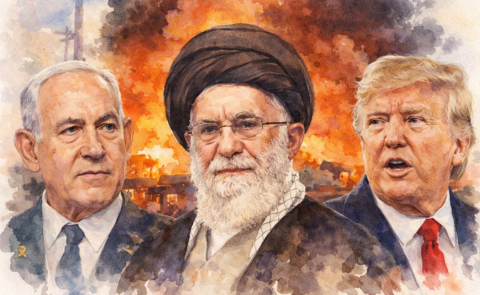
Early indicators of the ongoing war in West Asia point to a conflict trajectory from the rapid decision to the controlled escalation to distributed strike capacity, advanced military integration and mounting regional exposure. Much like Johann Goethe’s Sorcerer’s Apprentice, conflicts initiated based on assumptions of control can acquire a momentum of their own.

Website articles  (48) Courtesy: Bayerischer Rundfunk
25 February 2026

Munich diary: Europe at the crossroads

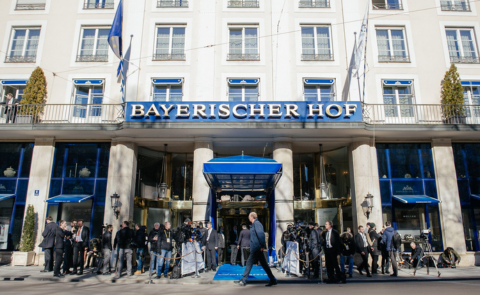
During the week of the Munich Security Conference, Munich transformed into a temporary capital of global diplomacy. Gateway House participated and hosted a Side Event, “Multipolarity without Multilateralism: India, Europe and the Future of Global Order” on February 14. This diary captures observations from the conference and the city, reflecting on Europe’s evolving priorities and how the continent assesses its role in an increasingly fragmented world.

the influence of phil in the UN  (1) Courtesy: Debarpan Das
5 February 2026

Influence of philanthropies in the UN

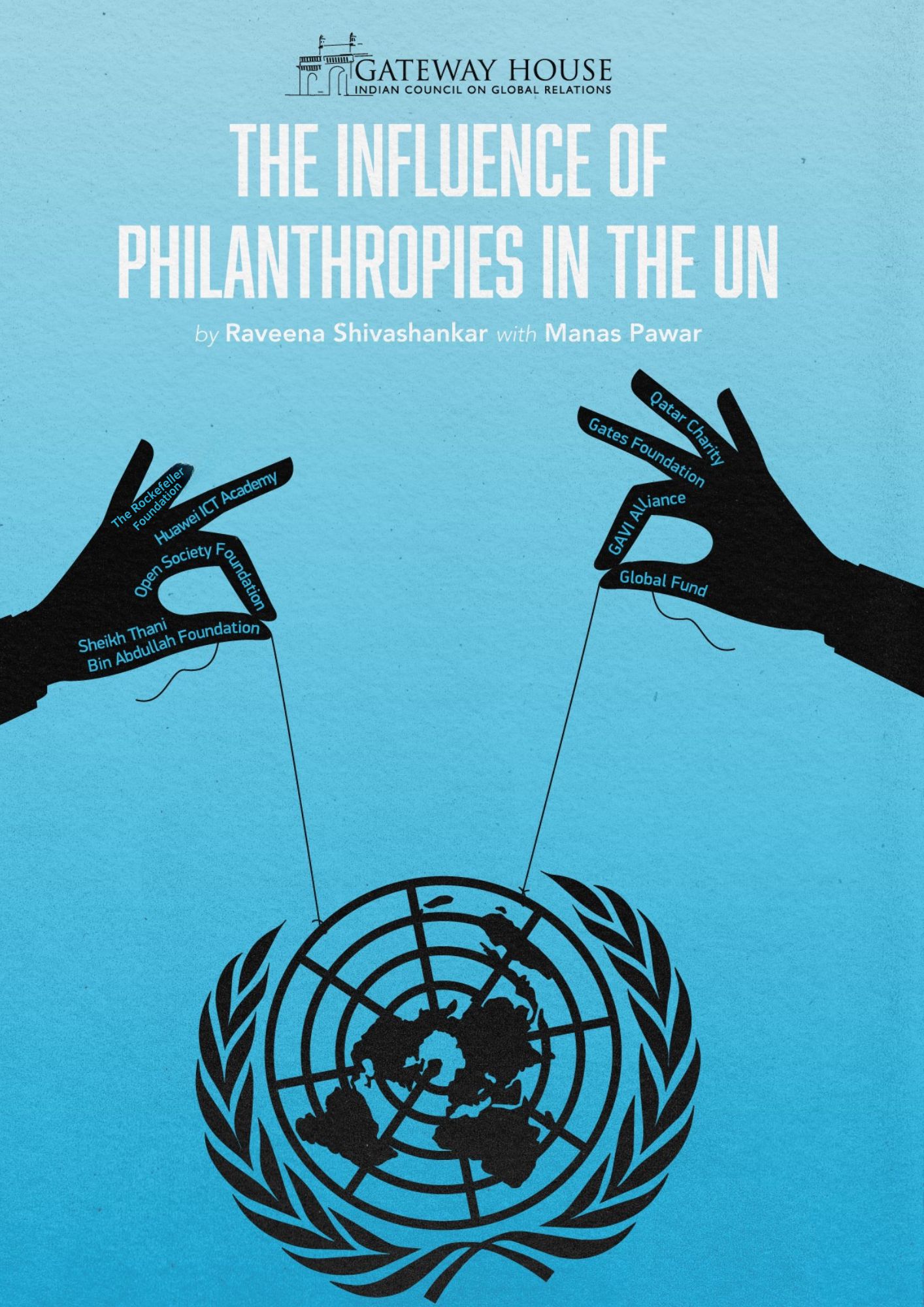
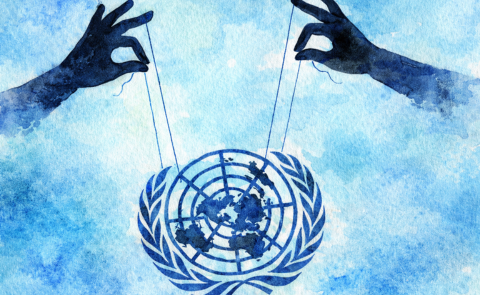
Over the last few decades, countries have stopped, delayed, or withheld their UN dues. The UN’s increasing financial needs have led to the acceptance of “voluntary” contributions. Those which come from any entities or individuals and are now its largest income stream. The biggest of these donors are the global philanthropies, which often have differing agendas from the UN’s responsibilities. This report studies these contributions and examines the linkages between donor priorities and UN mandates.

2 (6) Courtesy: Gateway House
5 February 2026

Influence of philanthropies in the UN

On January 7, 2026, the U.S. government announced its withdrawal from 31 UN organisations. This is a shock to the UN system. Several other countries have halted or only partially paid their dues over the years, creating a major funding gap. To cover for it, the UN has turned to “voluntary contributions” which come from philanthropic and private actors. Their misaligned mandates are distorting UN priorities.

News on Air (3) Courtesy: Gateway House
29 January 2026

Iran: away from the Thucydides trap?

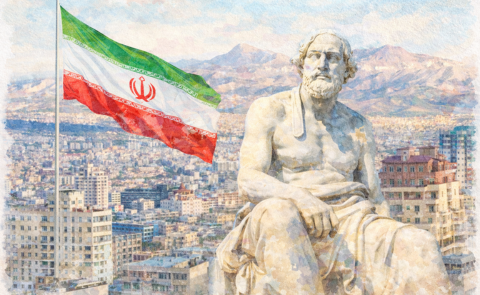
Iran has often stood at the crossroads of social and political metamorphosis and regional geopolitical recalibration, from the Islamic Revolution of 1979 to the attrition of the Iran-Iraq War. The current landscape reflects the convergence, once again, of internal pressures and sharper deterrence postures, that the social compact—from a Lockean and Rousseauian perspective—needs a new edition, and that timely diplomacy to prevent escalation is required.

Themba HadebeAP Courtesy: Themba Hadebe/AP
27 November 2025

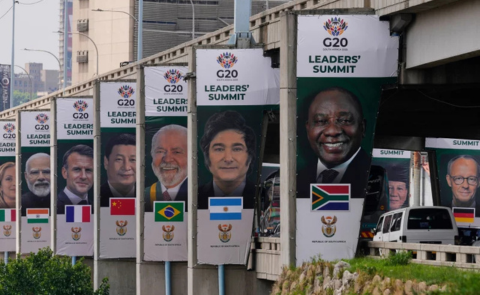
Johannesburg G20 summit: advancing amidst anxiety

The G20 Summit in Johannesburg ended on a widely-shared sense of satisfaction and achievement, with the Global South’s perspective well-articulated, but divergent from some in the Global North. Now the G20's challenge is to restore its unity and credibility by working toward reconciliation with its next president, the U.S. Can India enhance its credibility and influence as a North-South bridge-builder?