Screenshot 2025-10-13 103335 Courtesy: Körber-Stiftung
13 October 2025

Bandung at 70: Multilateralism in a New Era of Multi-Alignment

The world is facing multiple crises which are shaking the foundations of multilateralism. The West’s structures are faltering, and the need for effective and equitable cooperation is greater than ever. Seventy years after the 1955 Bandung Conference, its principles of sovereignty, territorial integrity, cooperation and solidarity remain vital. This report revisits Bandung’s relevance for today’s reform efforts, urging renewed Global South–Europe collaboration for a sustainable global future.

Website articles  (22) Courtesy: Getty Images
3 July 2025

Diversifying supply chains for critical minerals

The Quad Foreign Ministers’ Meeting in Washington on 1 July, 2025, underscored the importance of diversified and reliable global supply chains, especially for critical minerals. A Gateway House report shows how to strengthen supply chains for rare earths by creating deep financial markets similar to those that exist for bullion and oil.

Gateway House Courtesy: Gateway House
3 July 2025

China Plus One and global supply chains

A slowdown of the Chinese economy, and the shift, particularly by MNCs, from China to other more competitive locations has opened up business opportunities for latecomers to supply chains in the developing world. Evidence suggests that Southeast Asia and some South Asian countries like India, Sri Lanka, Bangladesh, could be beneficiaries of the supply chain shift, particularly in labour-intensive segments.

Getty (1) Courtesy: Gateway House
15 May 2025

The New Geopolitics and South Asia’s Trade Architecture – What Next?

Geopolitics is increasingly intertwined with the economic destiny of South Asia. Even before the U.S. tariffs were rolled out, growing polycrises had hit the global economy, which has been struggling since the pandemic. South Asia seems a relatively bright spark of regional trade and growth. This paper analyses South Asia’s trade architecture in the backdrop of a sluggish world economy in the 2020s, and makes recommendations for closer regional economic integration.

20240603PHT21803_original Courtesy:
13 June 2024

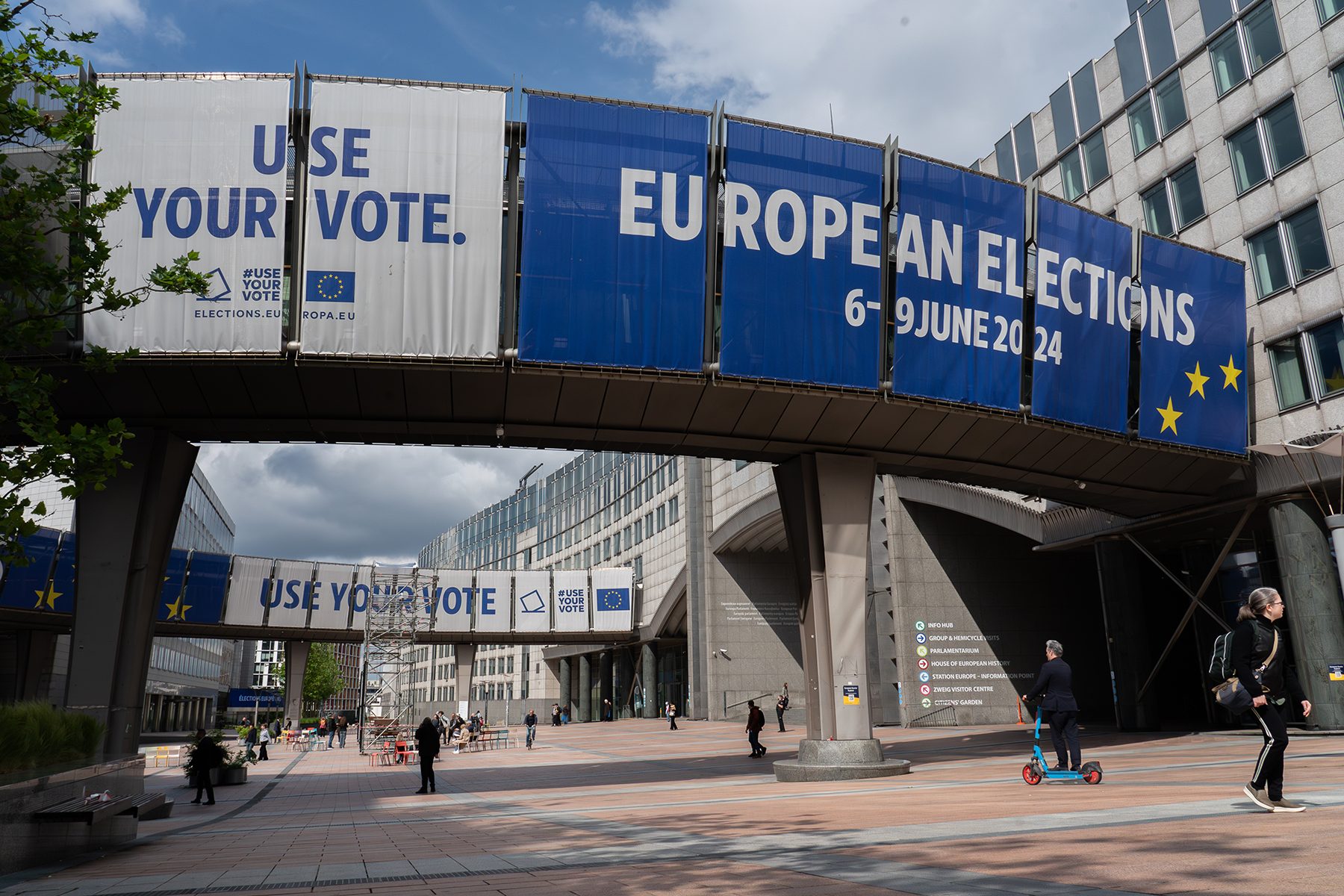
What the EU elections mean

The European Parliament elections have thrown up a win for the right-wing parties – quite a change from the previous centre-left composition. There will be repercussions for the EU and domestic policies of the member countries. Is this election an indication of a future Europe turning right, or is it a reaction to domestic situations individually within states?

CRN_Services_Portfolio_Technology_696 Courtesy: CRN India
1 June 2022

Emerging and Critical Technologies in the Indo-Pacific: Opportunities and Challenges

On 31 May 2022, Amb. Rajiv Bhatia delivered keynote address at the panel discussion on Emerging and Critical Technologies in the Indo-Pacific: Opportunities and Challenges, organised by the Kalinga Institute of Indo-Pacific Studies. Amb. Bhatia elucidates on usage of technology in modern warfare, especially the Ukrainian war, while also stressing those critical technologies in the Indo-Pacific can provide a fillip to sustainable development in the region.

blue_economy Courtesy: Hossain Tareque-wikimedia commons
5 May 2022

A blue economy requires blue diplomacy

India has done considerable groundwork to turn into a blue economy nation through its maritime policies and active support of the Indian Ocean Rim Association. The time is right for the country to now focus on blue diplomacy, with an emphasis on maritime security and sustainable, equitable harnessing of maritime resources.

china-solomon Courtesy: Financial Times
21 April 2022

Economic and human security in the Indo-Pacific

China has established a dominant presence in the Indo-Pacific through exploitative economic engagements. This has destabilised smaller nations in the region and made them dependent on Chinese support. For a free and open Indo-Pacific, India must press its advantage in human and economic capacity building.

Bhatia article image Courtesy: Gateway House
17 February 2022

Has global geopolitics turned multipolar?

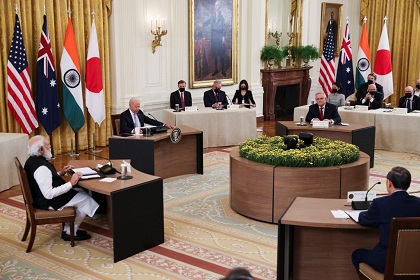
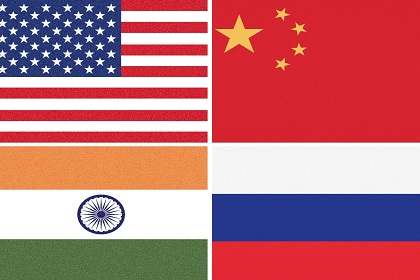
The Quad Foreign Ministers' meeting held on February 11 is the latest example of growing geopolitical cooperation. Several loci of power have emerged, indicating the end of the post-Cold War western hegemony. China's rise and alliance with Russia hints at a bipolar tendency in this nascent global multipolarity. India must ensure power distribution in Asia by sharpening its diplomacy to achieve its own interest - true multipolarity in Asia.