1 (5) Courtesy: Gateway House
11 June 2026

Decoding India’s Neighbourhood dynamics

Nepal’s ruling party leader, Rabi Lamichhane, visited India from June 1-5, 2026, highlighting Nepal’s evolving political priorities under the leadership of new Prime Minister Balendra Shah. A conversation with Nayanima Basu examines how India is faring under its Neighbourhood First and Act East policies and how New Delhi should navigate an increasingly volatile and sensitive region.
Kenny Holston  AP Courtesy: Kenny Holston / AP
4 June 2026

China trumps the U.S.?

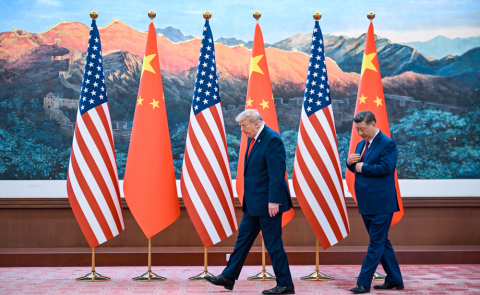
President Donald Trump’s May 13-15 visit to China was set against the backdrop of the ongoing U.S.-Israel-Iran conflict. Though the agenda was an economic one, Beijing used the occasion to project itself as a stabilising power, urging dialogue between Washington and Tehran. The visit did produce agreements on trade and investment, but the absence of a joint statement and differing priorities exposed persistent tensions. In this tale of two visits, China seems to have trumped the U.S.

DD India Courtesy: DD India
4 June 2026

BRICS at a Pivotal Moment

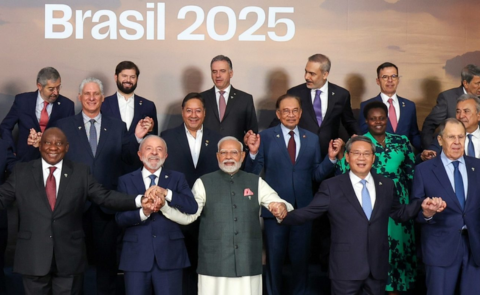
BRICS is too significant to ignore but too fragmented to drive meaningful change for the developing world. The West Asia conflict, U.S. tariff threats over de-dollarisation, UNSC reform divisions, and the presence of regional rivals has exposed its internal strains. Will India’s ongoing 2026 chairship rise above the contradictions, and manage to turn BRICS from a reactive forum into a more assertive and credible global force?

Website articles  - 2026-05-28T124708.235 Courtesy: Global Times
28 May 2026

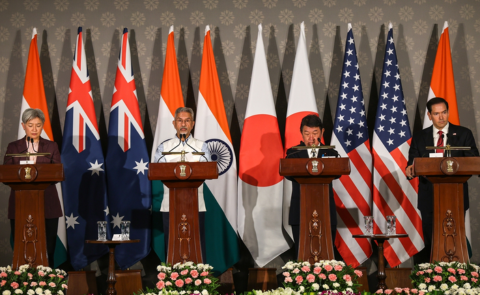
The Quad, reset

The Quad Foreign Ministers’ Meeting, held in New Delhi on May 26, highlighted both the progress and uncertainties surrounding the grouping. Significantly, it reaffirmed U.S. engagement. While the Quad has expanded its agenda and provided some concrete outcomes, the all-important Leaders’ Summit is still not visible – a worry for India’s prolonged chairship since 2024.

Website articles  (96) Courtesy: The Secretariat
20 May 2026

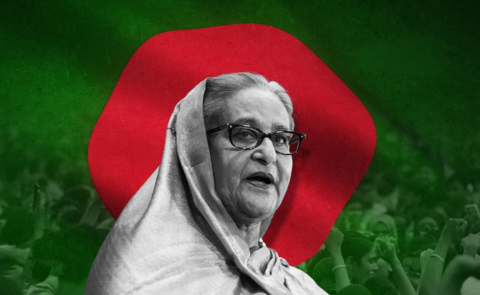
Interview with Sheikh Hasina

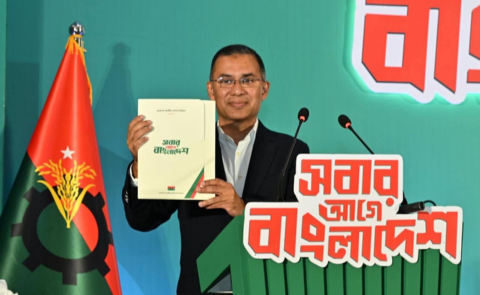
Bangladesh elected a new government in February this year after former long-time Prime Minister Sheikh Hasina was ousted from power in a violent mass protest on August 5, 2024. Her party, the Bangladesh Awami League, was banned from participating in this year’s election, which saw the return of the rival Bangladesh Nationalist Party (BNP) under Prime Minister Tarique Rahman. Hasina has been living in India since then and talks about her plans to return to Bangladesh and revive her party’s activities there. She spoke exclusively to Nayanima Basu.

amb HVS (2) Courtesy: Gateway House
7 May 2026

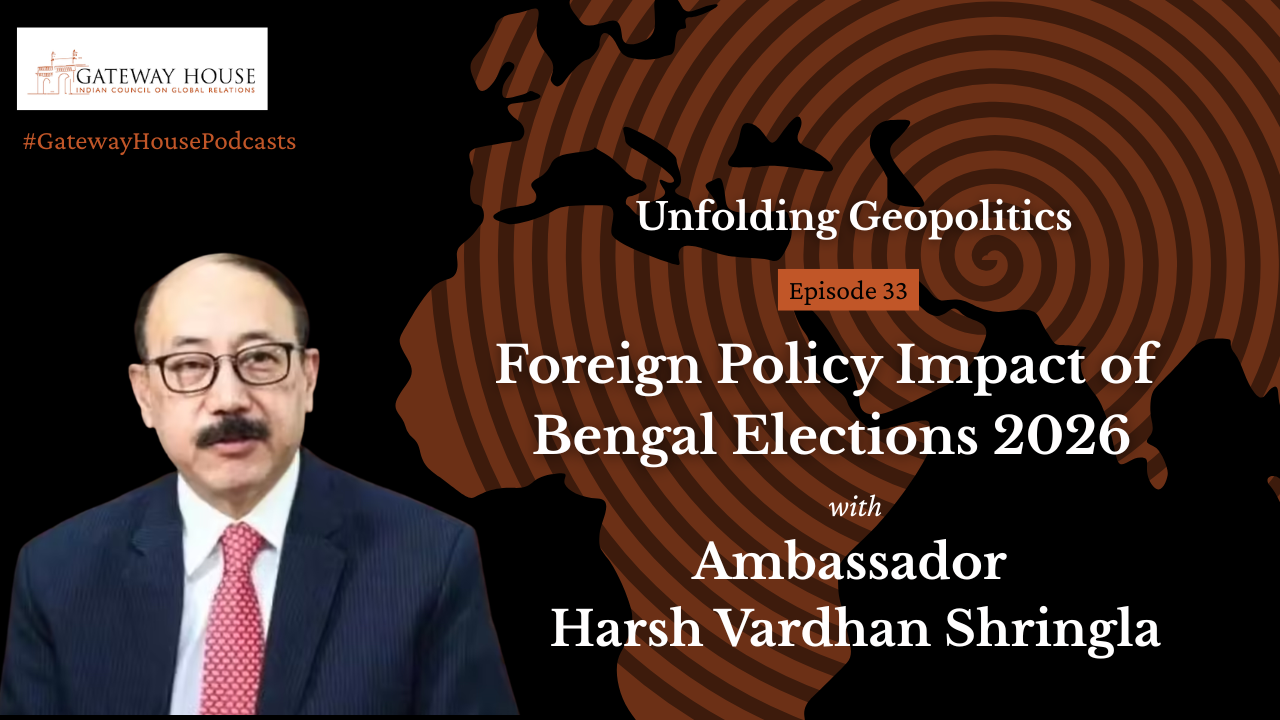
Unfolding Geopolitics Episode 33 |Foreign policy impact of Bengal elections

The state elections in the eastern states of Bengal and Assam have given a massive mandate to the ruling Bharatiya Janata Party. The opportunity for transformation and progress is enormous, especially as both these states are the crucial connectors to India’s Act East Policy. Harsh Shringla, Member of Parliament and former Foreign Secretary of India, says India’s foreign policy will see multiple benefits from these states.

amb sk Courtesy: Gateway House
30 April 2026

Unfolding Geopolitics Episode 32 | Iran after the war: survival and strategy 

history, the Palestine issue, the creation of Israel, and strained U.S.-Iran ties. India’s former ambassador to India, Saurabh Kumar, witnessed the hope of the Joint Comprehensive Plan of Action and its collapse. Unfulfilled hopes have led to reignited tensions. The U.S.-Israeli objectives of regime change are still unmet, and Iran’s survival marks a strategic outcome, despite its domestic economic and military strain. Ambassador Kumar discusses Iran and the ongoing crisis in West Asia. 

20260415_1714_Minimalist Iran Conflict Illustration_remix_01kp8f9nksftqrj3zntfnpktpe Courtesy: Gateway House
15 April 2026

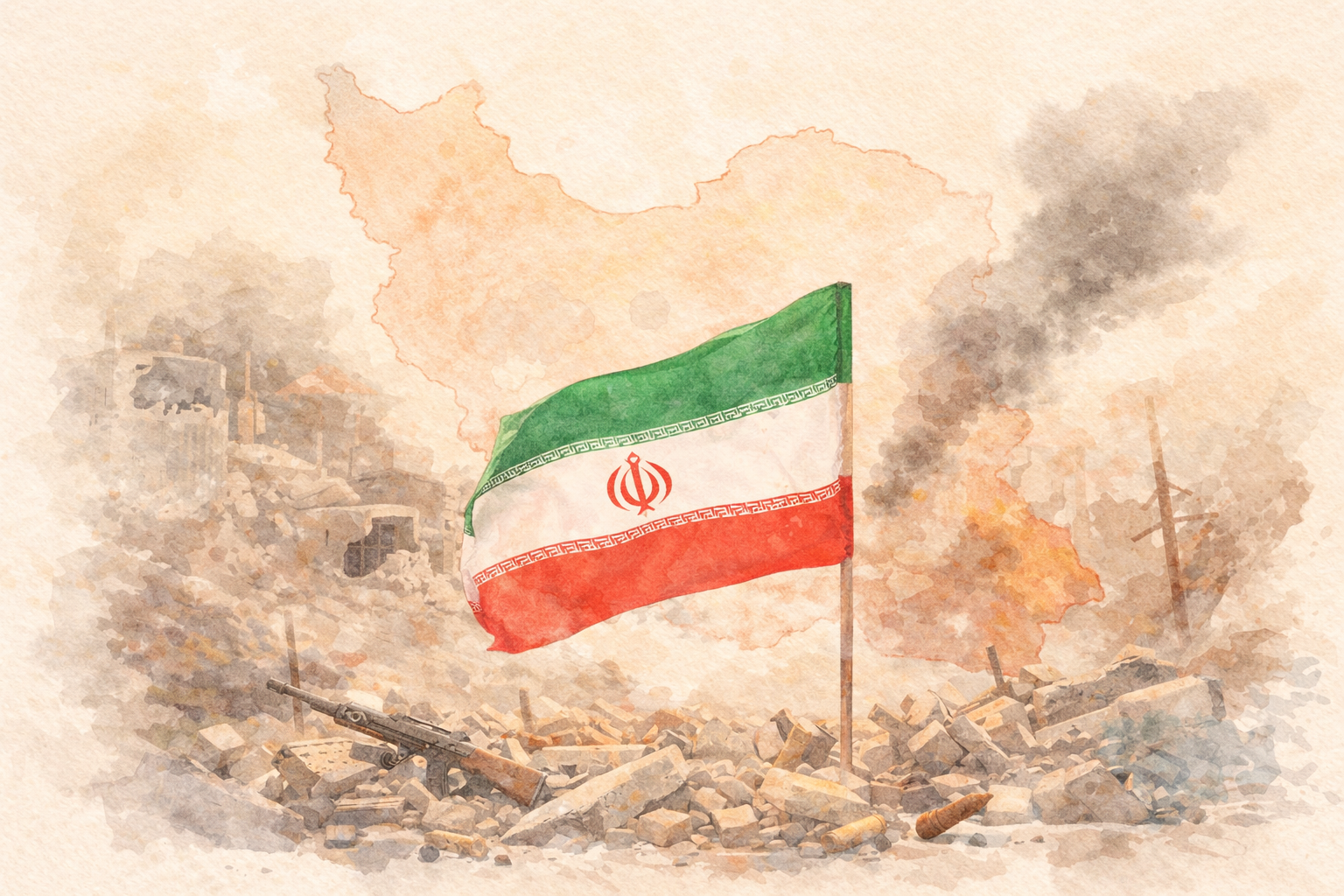
How did Iran fight this war?

The West Asian conflict is raising questions about Iran’s performance. Tehran appeared well-prepared, having expanded its low-cost drone and missile capabilities. It also widened the conflict by targeting U.S. bases in the Gulf. The key lesson is that eliminating leadership does not guarantee regime change. The conflict underscores that modern warfare depends not just on battlefield gains, but also on economic resilience, trade leverage, and technological strength.

Website articles  (76) Courtesy: X/ @bdbnp78
15 April 2026

Bangladesh’s bumpy road ahead

Bangladesh’s new government has been in power for two months now, and the challenges are immense. Yet Prime Minister Tarique Rahman is trying to balance a plethora of issues: energy shortages, an under-performing economy, a major constitutional reform, addressing corruption and introducing transparency and accountability – all the while putting “Bangladesh First.”

Website articles  (75) Courtesy: PTI
10 April 2026

Delhi-Dhaka make progress

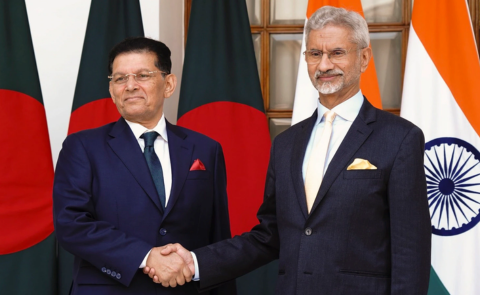
The visit of Bangladesh's foreign minister Khalilur Rahman to Delhi was an intermediate stage in the journey towards a full India-Bangladesh reset. The two countries have much to gain through deeper cooperation and more to lose if they drift. It’s time to focus on a common future by initiating bold trade and economic policies and linkages to counter vested interests that work to keep them apart.