Website articles  (3) Courtesy: AFP
13 November 2025

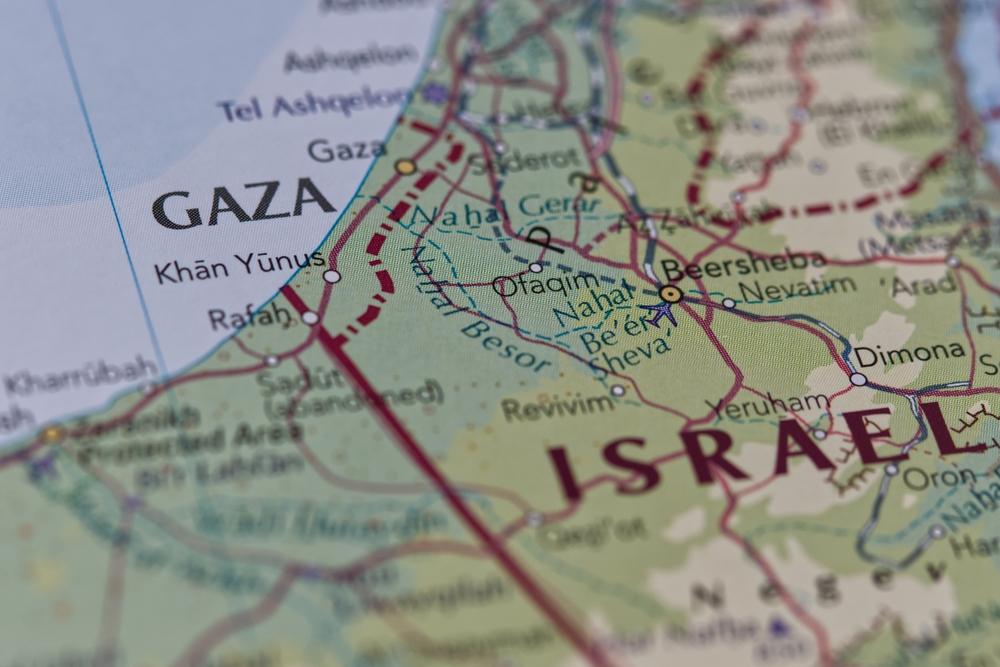
Pax Fragilis in Gaza: rupture and repair

The arc of revolutions has two acts: rupture - upending the status quo - and the craft of repair. Often, the second is as hard as the first. Today's Pax Fragilis in Gaza is narrow, given the continuing humanitarian crisis, regional reactiveness, limited scope of de-escalation channels, multiple actors' motivations for a permanent ceasefire, and the capabilities of Israel and Palestine to build a pathway with certainty.

IMEC map with source Courtesy: Gateway House
11 June 2025

IMEC: more than just a corridor

The proposed IMEC corridor connecting India to Europe through the Gulf can be transformative, helping to reduce risks to the global movement of goods and data. It’s early days yet, and there are gaps to be filled in terms of missing infrastructure and overcoming a diplomatic rift.

APTOPIX Russia Ukraine War Courtesy: AP
13 March 2025

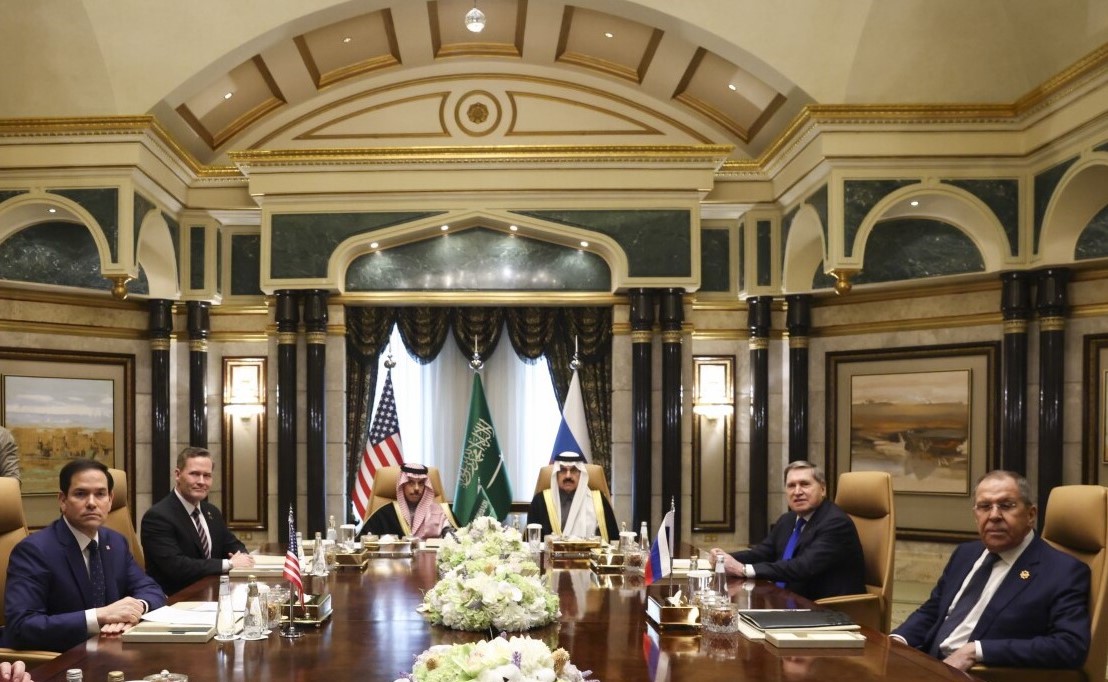
Riyadh and the new halls of mediation

Saudi Arabia has been the new centre for mediation between warring states and their sponsors. It reflects the shifting dynamics in an increasingly multipolar world and the redefinition of power structures. This role has extended to other Gulf states, which have strategically positioned themselves as neutral players, leveraging their strong relations with the great powers, and adopted culturally sensitive to consensus-building.

netanyahu-gallant Courtesy: The Jerusalem Post
19 October 2023

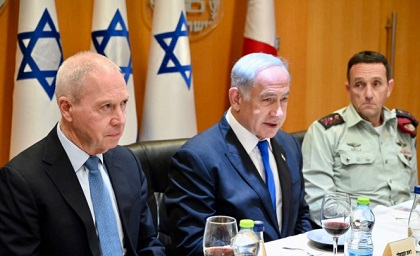
The unprecedented days of October

The October 7 intrusion of Hamas into Israel has exposed a respectable military institution and one of the most influential intelligence agencies, impacting their image in a contest where prestige is crucial. It weakens the Palestinian Authority internally and abroad, diminishes any peace processes, buries hope of a two-state solution, and marks the beginning of an unprecedented phase of war with repercussions far beyond the region.

National Security Advisors' Meeting Courtesy: Observer Research Foundation
24 August 2023

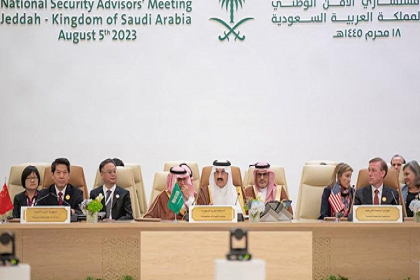
Jeddah is the ‘new’ Vienna

In West Asia, nations such as Saudi Arabia and other Gulf countries are starting to understand their pivotal geopolitical positioning in world affairs – and are making calibrated and strategic moves to preserve or recover global stability. It’s welcome at a time when more than two dozen conflicts are ongoing, when geopolitical rivals have hardened their positions, and diplomacy has failed to de-escalate in the primary contests.

Capture d’écran 2020-02-04 à 16.00.17 Courtesy: Foreign Affairs
4 February 2020

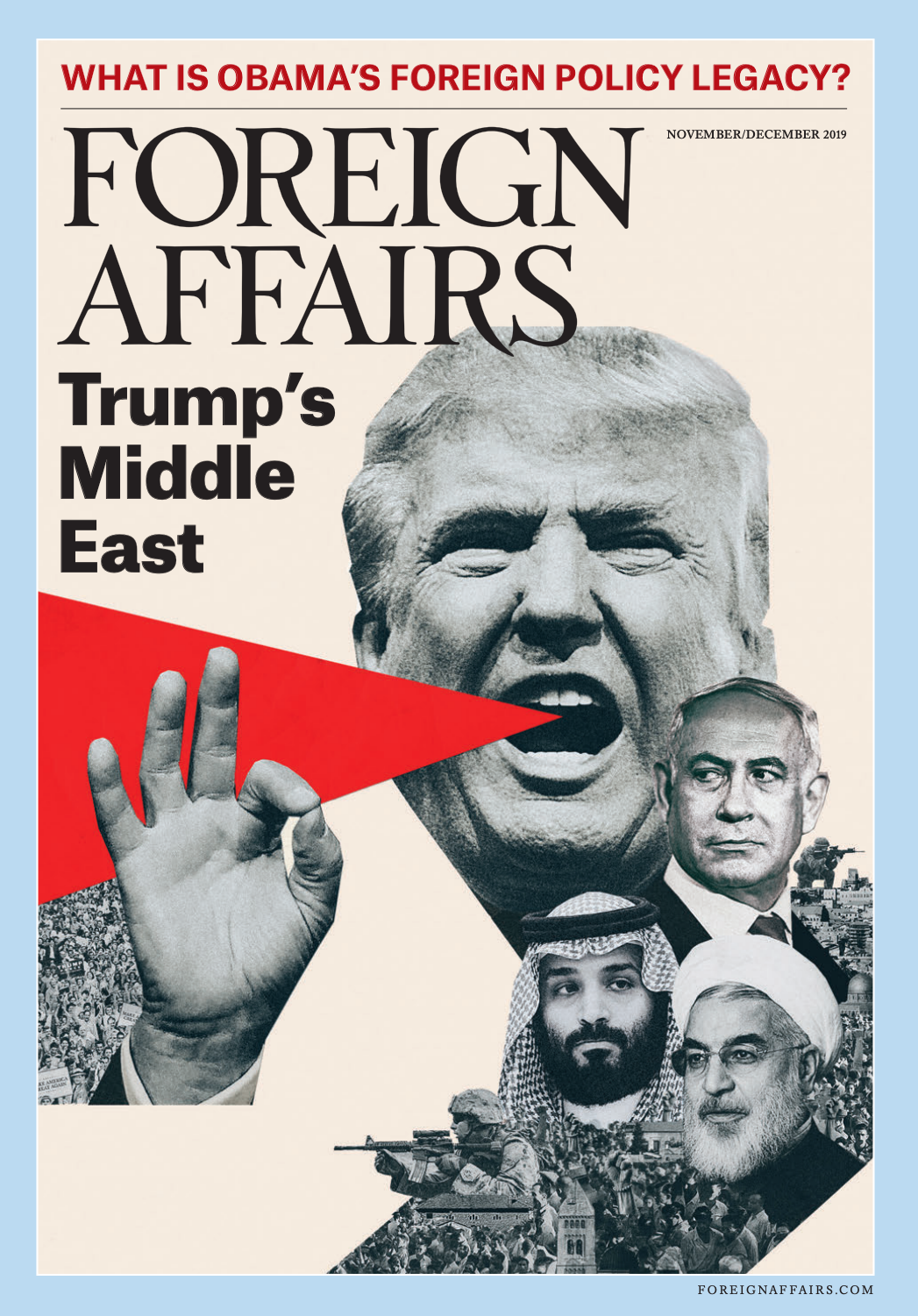
The Unwanted Wars

Countries in the Middle East, such as Iran, Israel or Saudi Arabia, do not want a military confrontation. Yet, current circumstances conduce to the breaking out of just such a war

shutterstock_294753152 Courtesy: Shutterstock
9 January 2020

Conflict with Iran primes U.S. economy

Oil prices, arms exports and conflict are inter related especially when it comes to the U.S. Its arms industry grows when high prices and conflicts coincide. This has kept West Asia on a perennial geopolitical boil. This infographic charts the highs and lows of U.S. arms sales, especially in the light of conflicts centred around West Asia

04 Courtesy: Sameer Patil & Shah Maieen
8 February 2018

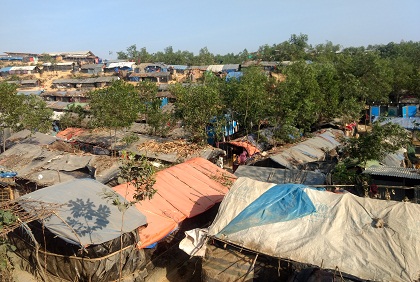
The Rohingyas and India’s difficult choices

A recent trip to Cox’s Bazar showed that despite numerous health, social and security challenges, the Rohingya refugees are reluctant to return to Myanmar. India will have to walk a tightrope, keeping in mind humanitarian, security, and geopolitical priorities