pacific islands2 Courtesy: mpeacey/Flickr
27 September 2012

The geo-strategic Pacific Islands

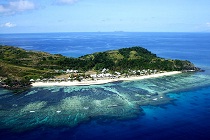
Traditionally, the South Pacific islands have been considered strategically insignificant. However, the need for resources, and the geopolitical shift towards Asia-Pacific have prompted nations to realize that these small island states control large resource-rich ocean areas and are increasingly geostrategic.
manmohan zardari_0 Courtesy: Cropbot, Russavia/WikimediaCommons
17 September 2012

Advantage: Pakistan

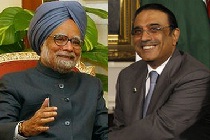
Manmohan Singh is likely to visit Pakistan later this year. As the first visit of an Indian Prime Minister to the country in 8 years, it will be a significant event. The timing and the agenda of the PM’s visit, however, raise a few questions.

angre2 Courtesy: Columbia/WikimediaCommons
4 September 2012

Kanhoji Angre: India’s first naval commander

In the 1700s, one man antagonized the European powers, and insisted on the Maratha Empire’s rights to taxation and sovereignty over Maharashtra’s coast. He was Kanhoji Angre, the head of the Maratha navy. How did he, 283 years ago, set an important precedent for the Subcontinent’s local powers?

kp fabian 2 Courtesy: Gateway House
25 July 2012

“India’s diplomacy is textual, not contextual”

Understanding the rationale behind India’s diplomatic decisions is essential for policymakers and citizens alike, so as to take better decisions in the future. Gateway House interviews former Ambassador to Italy, K. P. Fabian, to discuss how India's assessment of policy values the spoken word over context.

xerxes china Courtesy: Ministry of Defence, India
12 July 2012

The spectre of China

Though India may seem to be mirroring or competing with China’s military build-up, it doesn't seem to be doing so in consonance with a long-term plan. New Delhi would be better served by avoiding an arms race; staying away from the U.S.-China rivalry and fostering stronger relations with its immediate neighbours.

piracy piece Courtesy: BlatantWorld.com/Flickr
27 June 2012

Piracy: A dangerous eco-system

The concern with piracy is in our waters is three-fold: the threat to Indian-owned vessels and Indian citizens; the difficulty in dealing with piracy and hostage-taking on the high seas; and finally, squeezing the organized industry. Can India play a leadership role in this effort?

NATO afghan Courtesy: Open Democracy
18 June 2012

The return of the Pashtun problem and NATO withdrawal from Afghanistan in 2014

The NATO withdrawal from Afghanistan in 2014 should be done tactically so that it doesn't destabilize Pakistan. Despite having accepted Pakistani help in the past, the Taliban might empathize with Pakistani Pashtuns and spread the very secessionist tendencies which Pakistan’s Afghan policy was designed to prevent.

indo us strategic dialogue Courtesy: U.S. State Department
12 June 2012

India-U.S.: More equal partners

The setting for the third Indo-U.S. Strategic Dialogue is promising: a global shift of economic weight to Asia, U.S. military exhaustion and indebtedness to China and other factors call for a greater convergence in Indo-U.S. interests than ever before. It is essential then, to take bold decisions at the dialogue.

ambassador abhyankar interview Courtesy: Gateway House
8 June 2012

“We are not in the business of ‘civilizing’ nations”

Over the past year, there has been a drastic change in the political scenario in Syria, which is now engulfed with violent sectarian conflict. Gateway House speaks to former Indian Ambassador to Syria, Rajendra Abhyankar, about the changing political scenario and the implications of the ongoing conflict in Syria.

AFSPA copy Courtesy: Wikimedia Commons/Agência Brasil
30 May 2012

AFSPA: National necessity or human rights violation?

The Armed Forces Special Powers Act (AFSPA) confers special powers upon the Indian army in disturbed areas, and legitimizes any actions they may take. The law, however, has been misinterpreted by many. Are calls for the revocation of the AFSPA warranted or misplaced?