the jerusalem post Courtesy: The Jerusalem Post
16 July 2026

The gulf in the Gulf

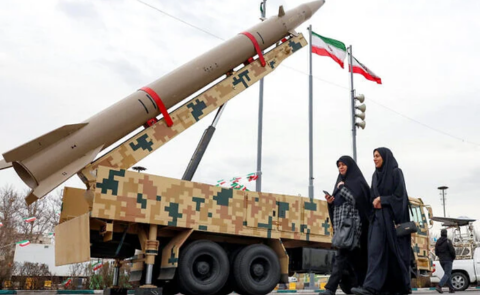
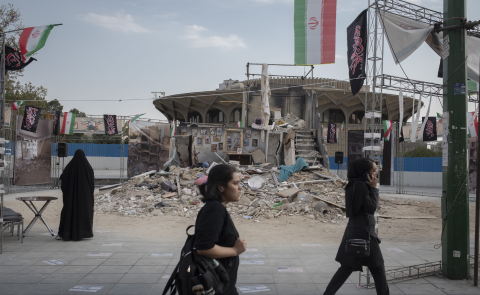
The ongoing conflict in the Gulf has created tremendous change. Israel is deeply scarred by the October 7 attacks. Iran retains the ability to go nuclear despite U.S.-Israel attacks. China’s assistance to Iran through intelligence and the supply of parts and chemicals for missiles has been noticed. New formations of countries - either interlocutors, participants or victims of the war – are generating an alphabet soup of influencers.
Kenny Holston  AP Courtesy: Kenny Holston / AP
4 June 2026

China trumps the U.S.?

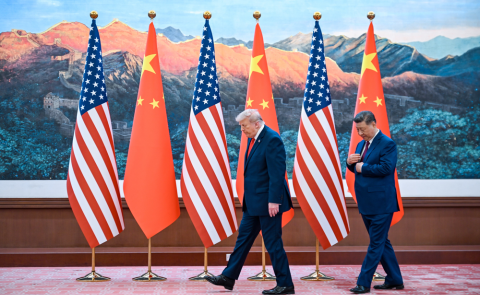
President Donald Trump’s May 13-15 visit to China was set against the backdrop of the ongoing U.S.-Israel-Iran conflict. Though the agenda was an economic one, Beijing used the occasion to project itself as a stabilising power, urging dialogue between Washington and Tehran. The visit did produce agreements on trade and investment, but the absence of a joint statement and differing priorities exposed persistent tensions. In this tale of two visits, China seems to have trumped the U.S.

20260415_1714_Minimalist Iran Conflict Illustration_remix_01kp8f9nksftqrj3zntfnpktpe Courtesy: Gateway House
15 April 2026

How did Iran fight this war?

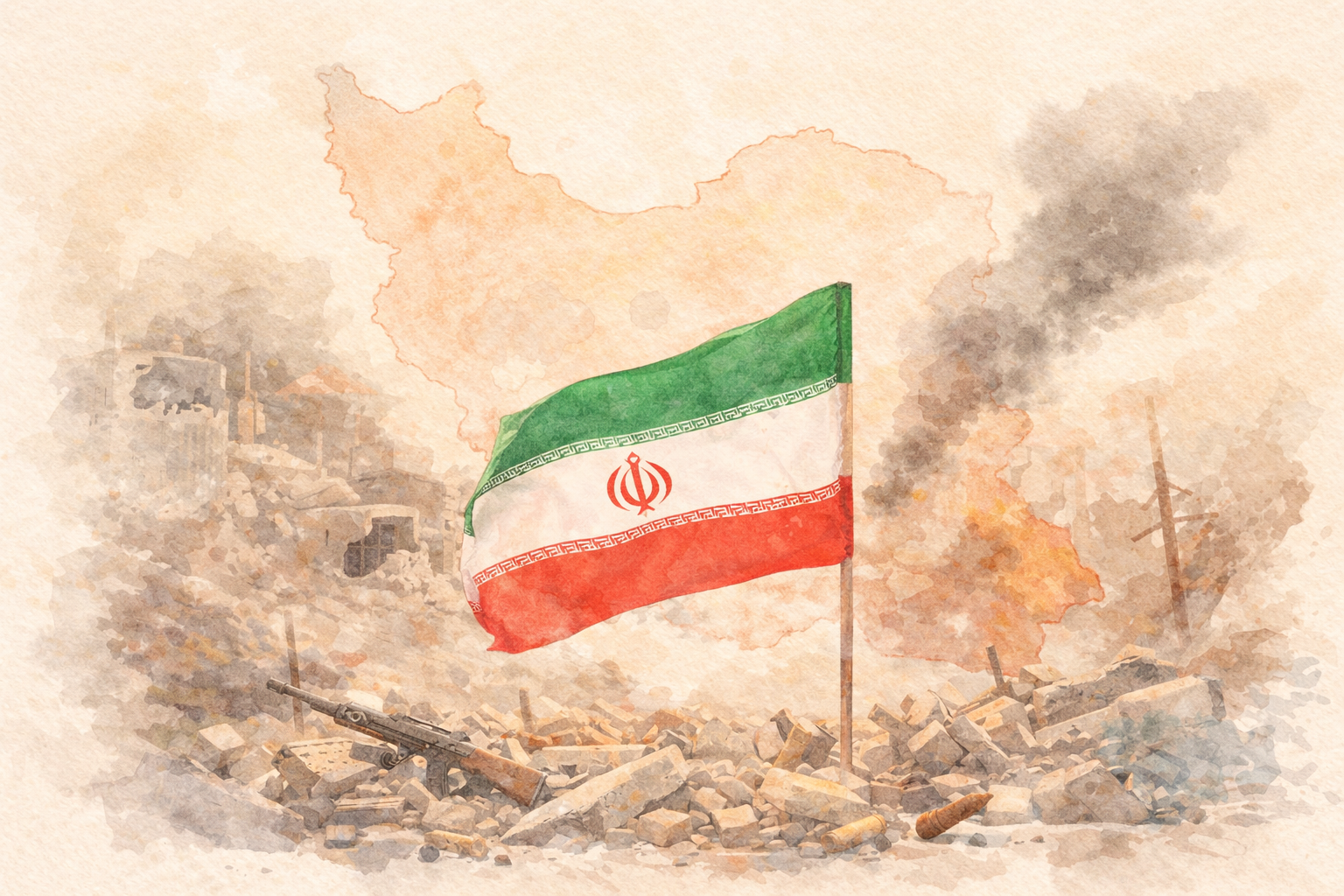
The West Asian conflict is raising questions about Iran’s performance. Tehran appeared well-prepared, having expanded its low-cost drone and missile capabilities. It also widened the conflict by targeting U.S. bases in the Gulf. The key lesson is that eliminating leadership does not guarantee regime change. The conflict underscores that modern warfare depends not just on battlefield gains, but also on economic resilience, trade leverage, and technological strength.

Website articles  (52) Courtesy: AFP
9 March 2026

Iran regime change unlikely

The U.S.–Israel war against Iran will alter the geopolitical landscape of West Asia and adversely impact the global economy, including India. Vali Nasr, Majid Khadduri Professor of International Affairs and Middle East Studies at Johns Hopkins University School of Advanced International Studies, analyses the conflict and its implications in an exclusive conversation with Nayanima Basu.

Website articles  (11) Courtesy: Shutterstock
5 March 2026

West Asia conflict: who benefits?

The U.S. and Israel launched precise airstrikes on Iran, targeting nuclear facilities and senior leadership. Their aim is to weaken Iran’s nuclear programme and potentially induce regime change, while Tehran’s priority remains regime survival. The conflict’s duration will depend on whether it remains limited to missile exchanges or escalates into asymmetric warfare.

Website articles  (29) Courtesy: Somaliland Presidential Office
15 January 2026

Somaliland recognition strengthens alternative diplomacy ecosystem

Israel’s recognition of Somaliland as an independent state in December 2025 is not merely a diplomatic gesture toward a long-marginalised polity; it is a strategic act with implications for Somalia’s territorial integrity, regional security dynamics, great-power competition, and the evolving politics of recognition in a fractured international order.

Website articles  (4) Courtesy: Gateway House
18 September 2025

White Paper on China’s national Security

In China’s White Paper on national security, the country congratulates itself for maintaining peace and development and bringing “stability in a tempestuous world.” It also pats itself on the back for “creating unity and self-reliance in the Global South” thus leading to an adjustment of the international balance of power. Worth studying are its global initiatives – a new governance order.

CRN_Services_Portfolio_Technology_696 Courtesy: CRN India
1 June 2022

Emerging and Critical Technologies in the Indo-Pacific: Opportunities and Challenges

On 31 May 2022, Amb. Rajiv Bhatia delivered keynote address at the panel discussion on Emerging and Critical Technologies in the Indo-Pacific: Opportunities and Challenges, organised by the Kalinga Institute of Indo-Pacific Studies. Amb. Bhatia elucidates on usage of technology in modern warfare, especially the Ukrainian war, while also stressing those critical technologies in the Indo-Pacific can provide a fillip to sustainable development in the region.

1984F5F8-939B-4A8C-9F74-2C80D3D60F66 Courtesy: TIME Magazine
30 May 2022

The Quad deepens strategic commitment

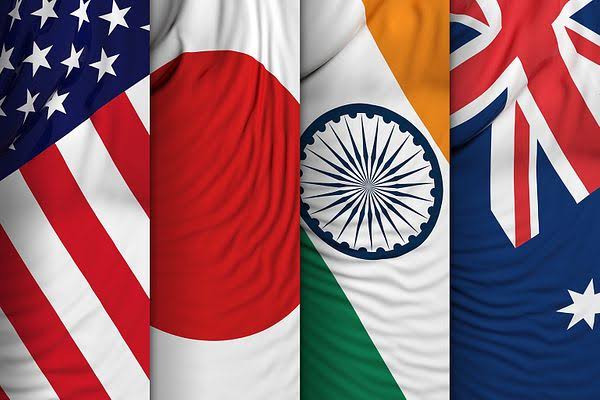
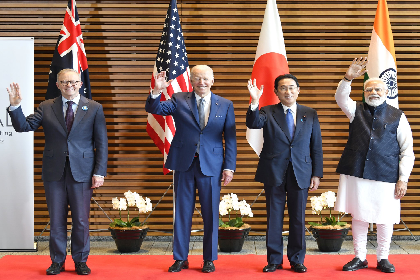
After its fourth summit on May 24, the Quad has emerged stronger and clearer in its initiatives which are aimed at addressing the Indo-Pacific’s geopolitical challenges. India now has a chance to work with like-minded democracies on an equal footing, with much to contribute. The Quad’s strategy for the Indo-Pacific is to deepen internalised cooperation for continued peace, prosperity, and stability.

1D8120D2-1A4E-4358-BD1F-E8EFB4D9F40C Courtesy: Twitter- Narendra Modi
23 May 2022

The credibility challenge for Quad

A serious stocktaking is expected at the Quad Leaders' Summit in Tokyo, to measure the progress of its wide-ranging list and proposals. In addition to vaccine partnerships, climate change, and connectivity, the Quad must now craft a common strategy for and expedite cooperation in, the economy, higher education, industry, and technology. It will also project unity in the Indo-Pacific region.