20260415_1714_Minimalist Iran Conflict Illustration_remix_01kp8f9nksftqrj3zntfnpktpe Courtesy: Gateway House
15 April 2026

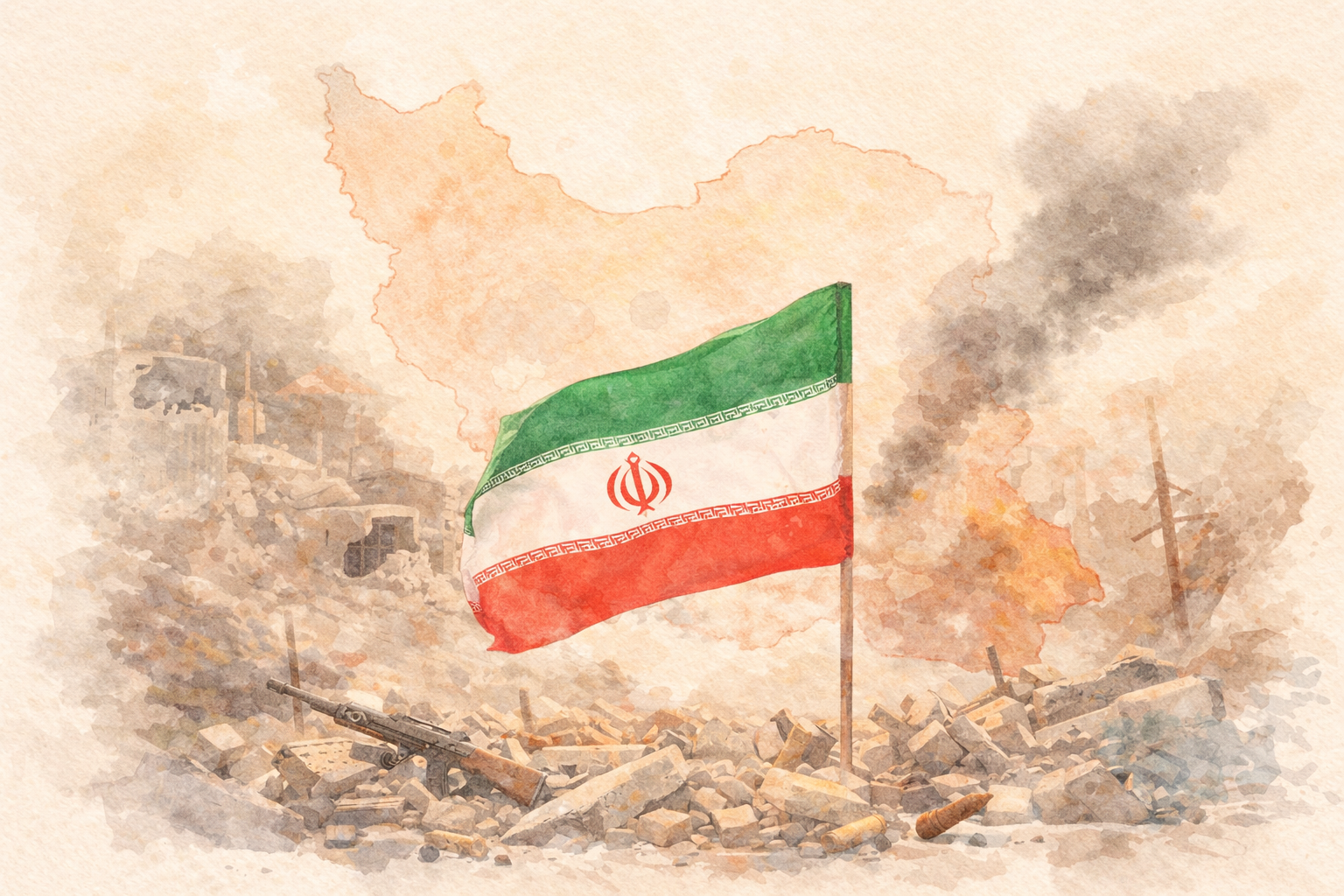
How did Iran fight this war?

The West Asian conflict is raising questions about Iran’s performance. Tehran appeared well-prepared, having expanded its low-cost drone and missile capabilities. It also widened the conflict by targeting U.S. bases in the Gulf. The key lesson is that eliminating leadership does not guarantee regime change. The conflict underscores that modern warfare depends not just on battlefield gains, but also on economic resilience, trade leverage, and technological strength.
Website articles  (52) Courtesy: AFP
9 March 2026

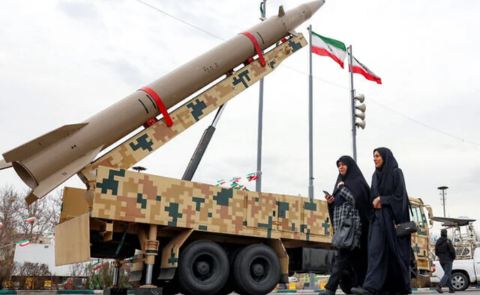
Iran regime change unlikely

The U.S.–Israel war against Iran will alter the geopolitical landscape of West Asia and adversely impact the global economy, including India. Vali Nasr, Majid Khadduri Professor of International Affairs and Middle East Studies at Johns Hopkins University School of Advanced International Studies, analyses the conflict and its implications in an exclusive conversation with Nayanima Basu.

Website articles  (11) Courtesy: Shutterstock
5 March 2026

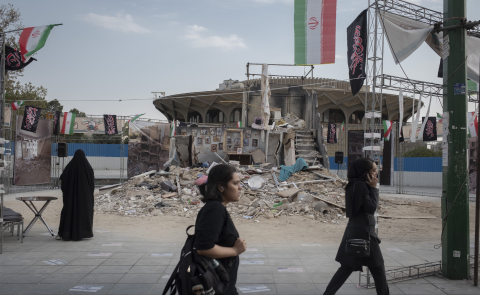
West Asia conflict: who benefits?

The U.S. and Israel launched precise airstrikes on Iran, targeting nuclear facilities and senior leadership. Their aim is to weaken Iran’s nuclear programme and potentially induce regime change, while Tehran’s priority remains regime survival. The conflict’s duration will depend on whether it remains limited to missile exchanges or escalates into asymmetric warfare.

Website articles  (29) Courtesy: Somaliland Presidential Office
15 January 2026

Somaliland recognition strengthens alternative diplomacy ecosystem

Israel’s recognition of Somaliland as an independent state in December 2025 is not merely a diplomatic gesture toward a long-marginalised polity; it is a strategic act with implications for Somalia’s territorial integrity, regional security dynamics, great-power competition, and the evolving politics of recognition in a fractured international order.

Website articles  (4) Courtesy: Gateway House
18 September 2025

White Paper on China’s national Security

In China’s White Paper on national security, the country congratulates itself for maintaining peace and development and bringing “stability in a tempestuous world.” It also pats itself on the back for “creating unity and self-reliance in the Global South” thus leading to an adjustment of the international balance of power. Worth studying are its global initiatives – a new governance order.

IMEC map with source Courtesy: Gateway House
11 June 2025

IMEC: more than just a corridor

The proposed IMEC corridor connecting India to Europe through the Gulf can be transformative, helping to reduce risks to the global movement of goods and data. It’s early days yet, and there are gaps to be filled in terms of missing infrastructure and overcoming a diplomatic rift.

brics-2 Courtesy: oneindia.com
30 June 2022

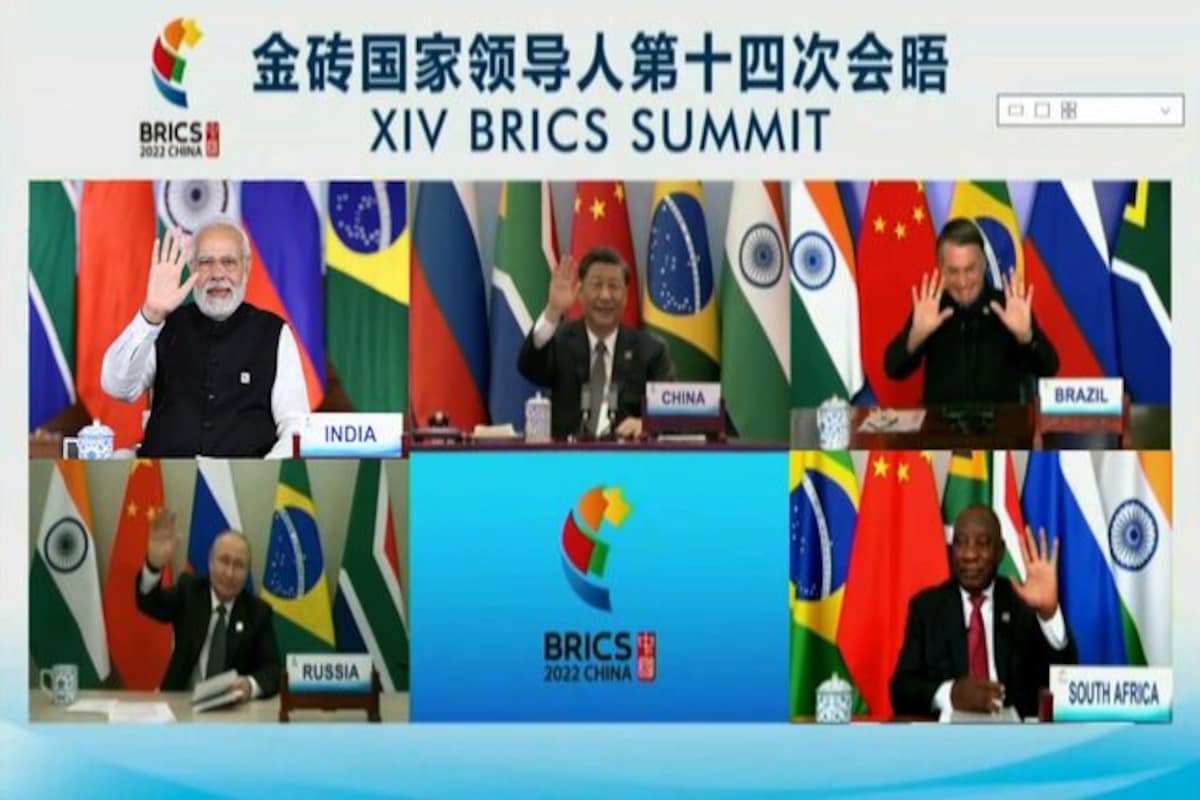
BRICS – the rhetoric and the reality

The Galwan crisis, pandemic and the Ukrainian war have weakened the BRICS’ credibility, a forum that has played a pivotal role in articulating the case for reformed multilateralism. Beyond grandiose rhetoric and vested interests, these five nations need to first infuse the grouping with internal solidarity and enhance mutual trust for peace, stability and prosperity in the Global South.

quad fm photo mea Courtesy: Ministry Of External Affairs
24 February 2022

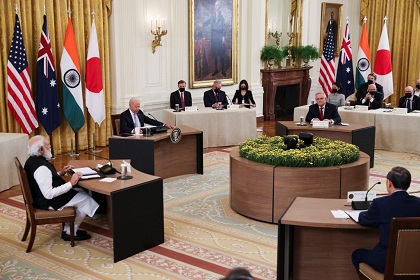
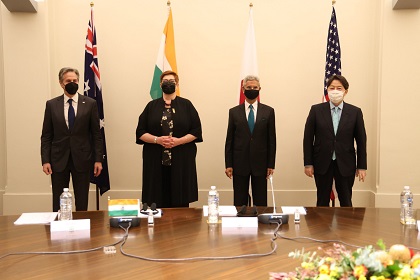
The Quad converges beyond China

The Quad Foreign Ministers’ Meeting, held in Melbourne on February 11, revealed an ambitious plan for economic and developmental affairs, beyond the security concerns posed by China. Despite differing approaches towards Myanmar and Ukraine, the Quad countries are strengthening their cooperation while maintaining strategic autonomy.

Untitled design (6) Courtesy: Gateway House
10 February 2022

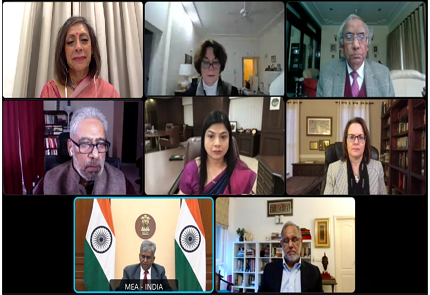
Panel Discussion on India in the Indo-Pacific

On 1 February 2022, Gateway House and the U.S. Embassy, New Delhi, co-hosted a panel discussion on India in the Indo-Pacific: Pursuing Prosperity and Security. The panelists explored the comprehensive role that India can play in the Indo-Pacific from the perspective of business, think tanks, academia and diplomacy.