20260415_1714_Minimalist Iran Conflict Illustration_remix_01kp8f9nksftqrj3zntfnpktpe Courtesy: Gateway House
15 April 2026

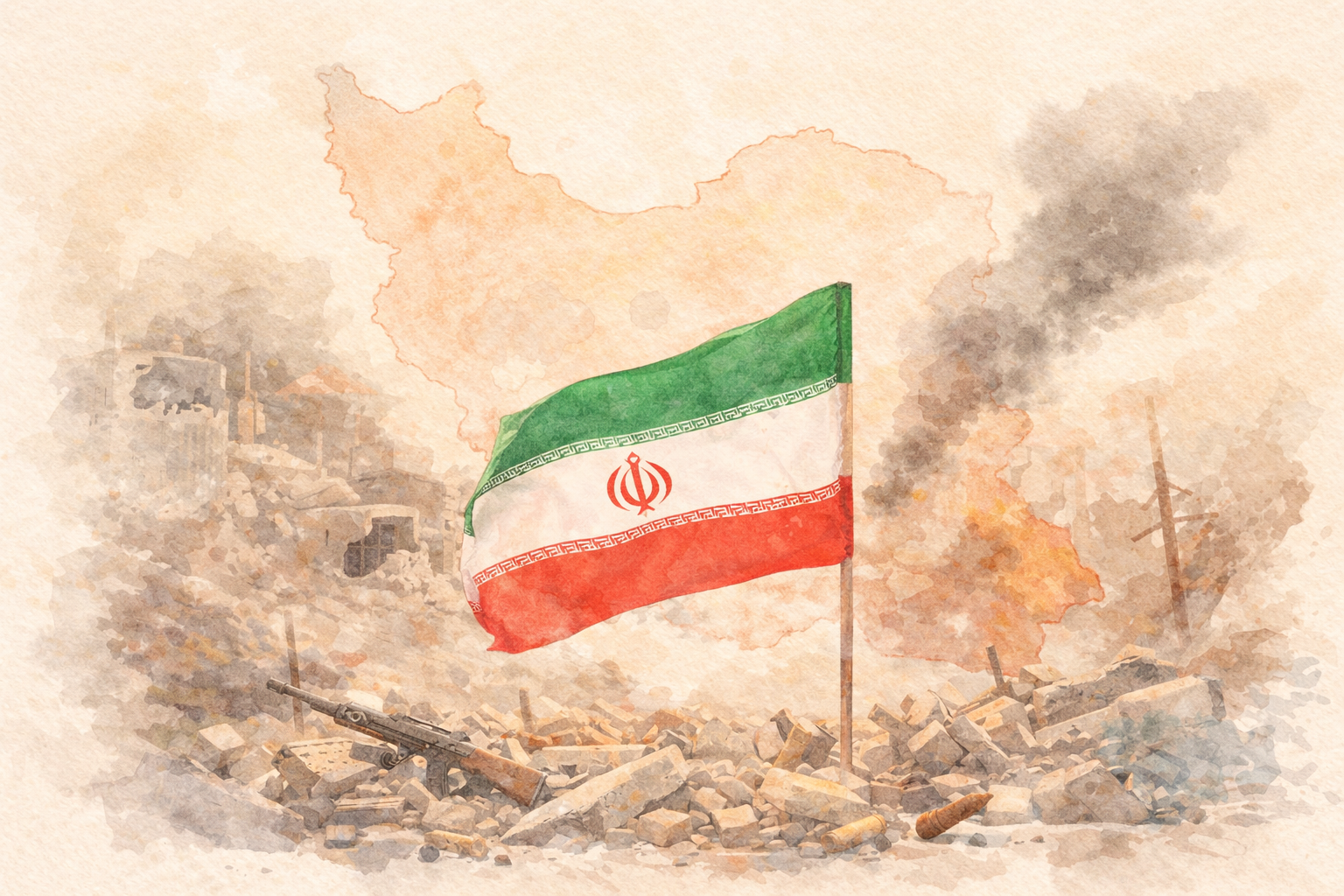
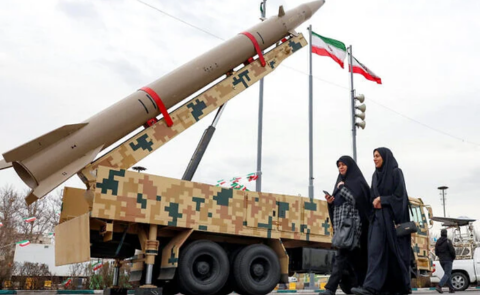
How did Iran fight this war?

The West Asian conflict is raising questions about Iran’s performance. Tehran appeared well-prepared, having expanded its low-cost drone and missile capabilities. It also widened the conflict by targeting U.S. bases in the Gulf. The key lesson is that eliminating leadership does not guarantee regime change. The conflict underscores that modern warfare depends not just on battlefield gains, but also on economic resilience, trade leverage, and technological strength.
Website articles  (52) Courtesy: AFP
9 March 2026

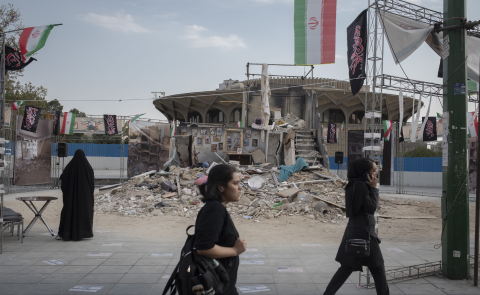
Iran regime change unlikely

The U.S.–Israel war against Iran will alter the geopolitical landscape of West Asia and adversely impact the global economy, including India. Vali Nasr, Majid Khadduri Professor of International Affairs and Middle East Studies at Johns Hopkins University School of Advanced International Studies, analyses the conflict and its implications in an exclusive conversation with Nayanima Basu.

Website articles  (11) Courtesy: Shutterstock
5 March 2026

West Asia conflict: who benefits?

The U.S. and Israel launched precise airstrikes on Iran, targeting nuclear facilities and senior leadership. Their aim is to weaken Iran’s nuclear programme and potentially induce regime change, while Tehran’s priority remains regime survival. The conflict’s duration will depend on whether it remains limited to missile exchanges or escalates into asymmetric warfare.

Website articles  (4) Courtesy: Gateway House
18 September 2025

White Paper on China’s national Security

In China’s White Paper on national security, the country congratulates itself for maintaining peace and development and bringing “stability in a tempestuous world.” It also pats itself on the back for “creating unity and self-reliance in the Global South” thus leading to an adjustment of the international balance of power. Worth studying are its global initiatives – a new governance order.

IMEC map with source Courtesy: Gateway House
11 June 2025

IMEC: more than just a corridor

The proposed IMEC corridor connecting India to Europe through the Gulf can be transformative, helping to reduce risks to the global movement of goods and data. It’s early days yet, and there are gaps to be filled in terms of missing infrastructure and overcoming a diplomatic rift.

brics-2 Courtesy: oneindia.com
30 June 2022

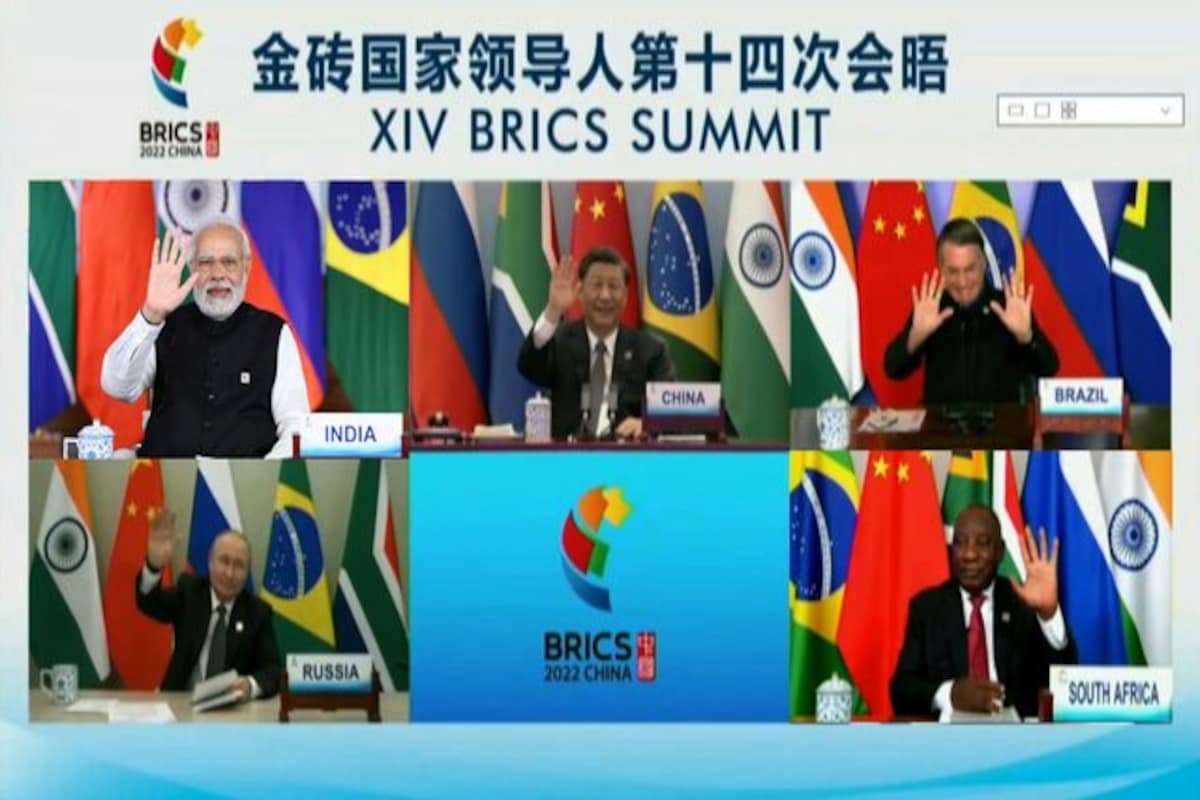
BRICS – the rhetoric and the reality

The Galwan crisis, pandemic and the Ukrainian war have weakened the BRICS’ credibility, a forum that has played a pivotal role in articulating the case for reformed multilateralism. Beyond grandiose rhetoric and vested interests, these five nations need to first infuse the grouping with internal solidarity and enhance mutual trust for peace, stability and prosperity in the Global South.

CRN_Services_Portfolio_Technology_696 Courtesy: CRN India
1 June 2022

Emerging and Critical Technologies in the Indo-Pacific: Opportunities and Challenges

On 31 May 2022, Amb. Rajiv Bhatia delivered keynote address at the panel discussion on Emerging and Critical Technologies in the Indo-Pacific: Opportunities and Challenges, organised by the Kalinga Institute of Indo-Pacific Studies. Amb. Bhatia elucidates on usage of technology in modern warfare, especially the Ukrainian war, while also stressing those critical technologies in the Indo-Pacific can provide a fillip to sustainable development in the region.

India-France_Cover-02 Courtesy: Gateway House
5 May 2022

India-France: A Reliable Partnership

India and France have long been reliable partners, and friends in need. The fifth meeting between the leaders of the two countries highlights the focus on strengthening cooperation in 21st century issues. The India-France Track 1.5 Dialogue, hosted by Gateway House, Mumbai and Ifri, Paris, explored the potential of cooperation in digitalisation and energy transition

blue_economy Courtesy: Hossain Tareque-wikimedia commons
5 May 2022

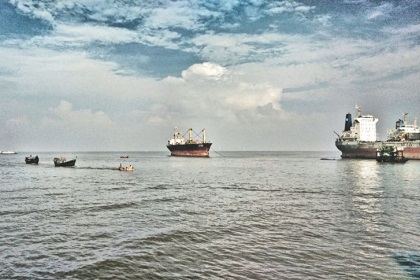
A blue economy requires blue diplomacy

India has done considerable groundwork to turn into a blue economy nation through its maritime policies and active support of the Indian Ocean Rim Association. The time is right for the country to now focus on blue diplomacy, with an emphasis on maritime security and sustainable, equitable harnessing of maritime resources.

china-solomon Courtesy: Financial Times
21 April 2022

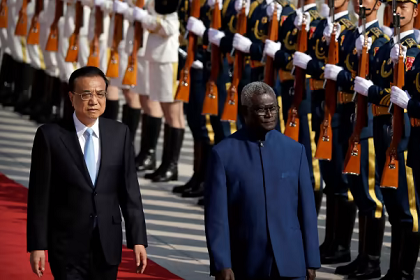
Economic and human security in the Indo-Pacific

China has established a dominant presence in the Indo-Pacific through exploitative economic engagements. This has destabilised smaller nations in the region and made them dependent on Chinese support. For a free and open Indo-Pacific, India must press its advantage in human and economic capacity building.