Website articles  (3) Courtesy: AFP
13 November 2025

Pax Fragilis in Gaza: rupture and repair

The arc of revolutions has two acts: rupture - upending the status quo - and the craft of repair. Often, the second is as hard as the first. Today's Pax Fragilis in Gaza is narrow, given the continuing humanitarian crisis, regional reactiveness, limited scope of de-escalation channels, multiple actors' motivations for a permanent ceasefire, and the capabilities of Israel and Palestine to build a pathway with certainty.

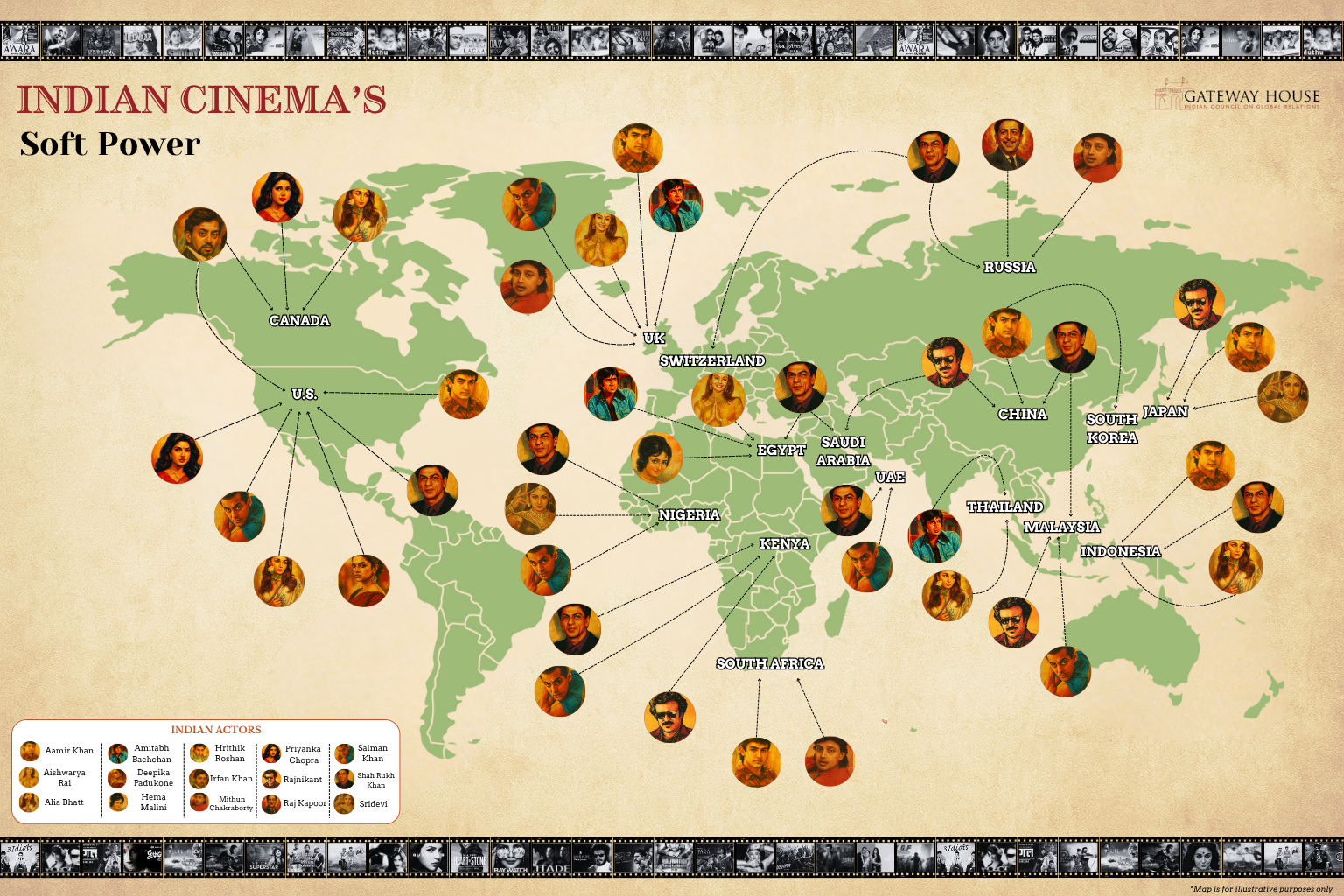
Most popular Indian actors worldwide Courtesy: Gateway House
1 October 2025

Indian Cinema as Economic Catalyst

As India seeks leadership in a multipolar world, cultural credibility is as vital as economic clout. Cinema gives India an edge with vivid storytelling, music, and empowering narratives, fostering understanding in a polarised world. Its popularity correlates with trade, as seen in the U.S., Russia, and Middle East. The more popular the cinema, the bigger the boost to trade.

indo pacific  (7) Courtesy: Daily News Egypt
31 July 2025

Egypt positions its foreign policy

Egypt sits at the intersection of three continents and two seas, and its foreign policy is a geographic, historic and strategic consequence. From Tripoli to Kortum, Addis Ababa to Brussels, New Delhi to Moscow, Beijing to Washington, Cairo employs diplomacy as a key national security tool, positioning itself as a cornerstone of geopolitical stability within an increasingly multipolar world.

ADEM ALTANAFP via Getty Images Courtesy: Adem Altan/AFP via Getty Images
3 July 2025

Iran’s second chance to transition

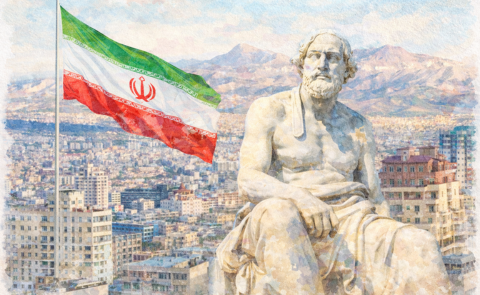
Iranian foreign policy must move toward strategic autonomy and internal concord. As witnessed after the 1988 ceasefire with Iraq, such moments can mark an inflexion point - one that prioritises national reconstruction, resilience, and welfare; strategic recalibration, strengthening of confidence, and finding a geopolitical identity. Iran has been there before, and can apply those experiences again.

Website articles  (18) Courtesy: Reuters photo
28 May 2025

Strategy meets statecraft: Trump in Riyadh

Presidential visits abroad are high-level instruments of statecraft and, more often than not, signals of geopolitical priorities. The recent visit of U.S. President Donald Trump to the United Arab Emirates, Saudi Arabia, and Qatar, exemplified this, indicating the administration's policy orientation.

National Security Advisors' Meeting Courtesy: Observer Research Foundation
24 August 2023

Jeddah is the ‘new’ Vienna

In West Asia, nations such as Saudi Arabia and other Gulf countries are starting to understand their pivotal geopolitical positioning in world affairs – and are making calibrated and strategic moves to preserve or recover global stability. It’s welcome at a time when more than two dozen conflicts are ongoing, when geopolitical rivals have hardened their positions, and diplomacy has failed to de-escalate in the primary contests.

1247994038.0 Courtesy: Vox
23 March 2023

Peacemakers, Rivals and Mates in the Gulf

The restoration of diplomatic ties between Iran and Saudi Arabia marks the end of a seven-year marathon of indirect confrontations and impasses involving a broad spectrum of actors. It allows both to harvest economic and political benefits. Most importantly, it confirms China’s status as a significant power with influence to unlock broad and complex international agreements.

Securing India's energy needs Courtesy: Shutterstock
8 July 2021

Securing India’s energy needs

India’s oil consumption and imports are likely to resume their upward trajectory as the economy opens up, after a temporary drop due to the pandemic. To secure its energy needs, the country should shift course from investing in oil and gas assets of emerging economies to those of developed nations. The oil-rich Organisation for Economic Co-operation and Development (OECD) countries, such as Canada, Norway, and the U.S. can be given special consideration.

shutterstock_294753152 Courtesy: Shutterstock
9 January 2020

Conflict with Iran primes U.S. economy

Oil prices, arms exports and conflict are inter related especially when it comes to the U.S. Its arms industry grows when high prices and conflicts coincide. This has kept West Asia on a perennial geopolitical boil. This infographic charts the highs and lows of U.S. arms sales, especially in the light of conflicts centred around West Asia