Envoy Excellency Courtesy: Envoy Excellency
21 October 2026

Belarus wants to build in India

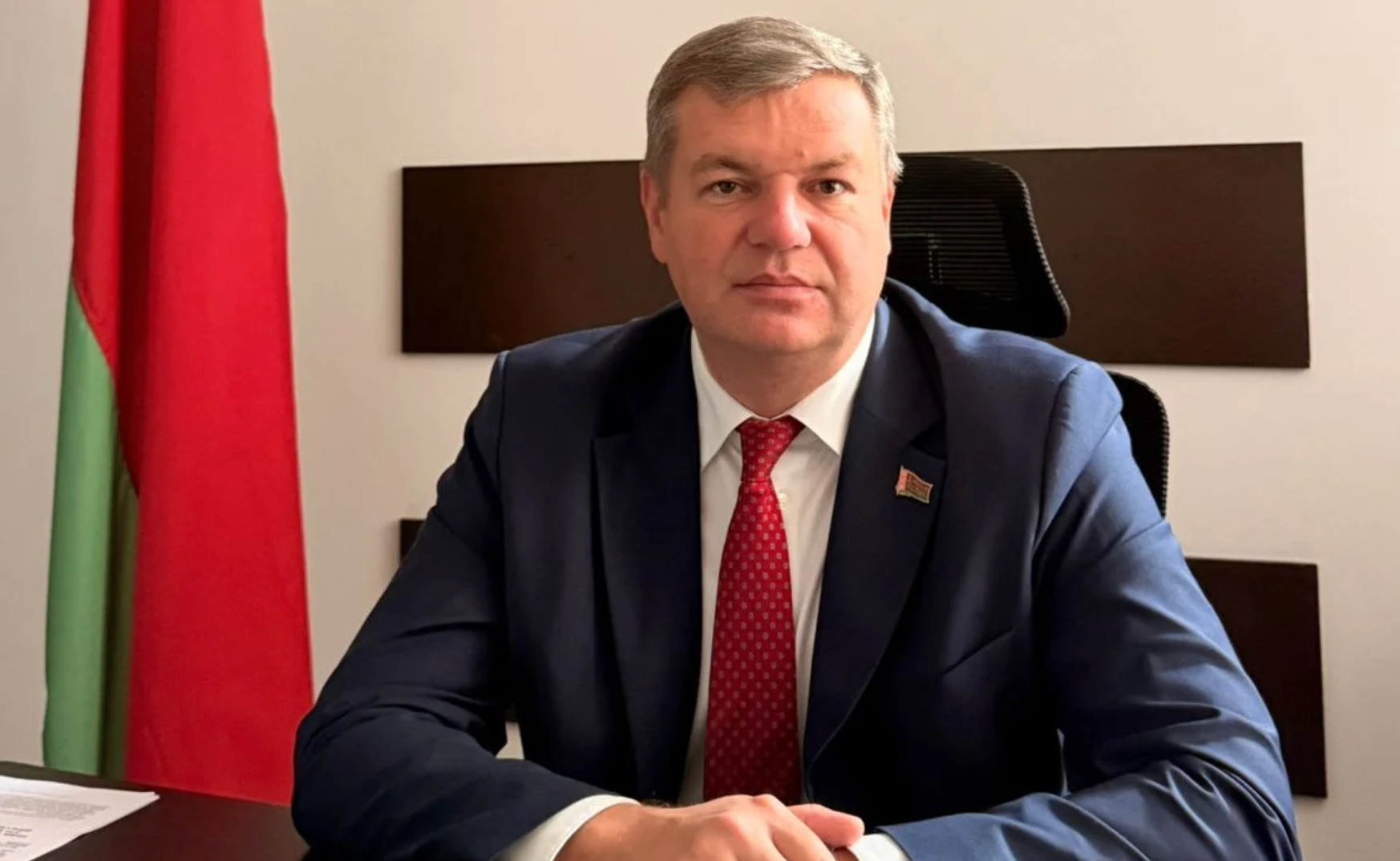
Belarusian Foreign Minister Maxim Ryzhenkov visited New Delhi for the 18th BRICS Summit in September 2026. Belarus, an official BRICS partner country, wants full membership and counts on India’s support. In an interview with Gateway House’s Ajay Kamalakaran, Minsk’s envoy to India Ambassador Mikhail Kasko, outlines how Belarus hopes to deepen bilateral ties with India, from pharma to technology transfer, assembly plants, student exchanges and tourism.

Website articles  - 2026-10-19T163747.168 Courtesy: Gateway House
19 October 2026

Jaishankar’s outreach in Africa

The visit of Indian External Affairs Minister S. Jaishankar to three African countries – Ghana, Côte d’Ivoire and Ethiopia – from October 6 to 10 was an important step in imparting fresh momentum to bilateral relations with these countries. It also drew public attention to the imperative of continuing the multi-dimensional partnership between India and Africa.

Reuters Courtesy: Reuters
13 October 2026

Multiple dimensions of BRICS’ Delhi Summit

 The BRICS Summit in Delhi carried over the issues from the previous years. But it was particularly important because it also hosted the India-China leaders’ bilateral, and it was preceded by the visit of Chinese President Xi to the U.S. The optics of the 2026 Summit will have been keenly watched in Washington for its effect on U.S.-China relations.

Xi-Trump Courtesy:
8 October 2026

A tired U.S.-China tango

Chinese President Xi Jinping’s September state visit to the U.S. produced no joint statement, indicating major differences, although both countries agreed Iran should not develop nuclear weapons and no country should collect tolls in the Strait of Hormuz. Tariffs on China remained unresolved. There was a staleness to the visit, with both countries’ leaders focused on the past. The visit appears to favour China, denoting its growing stature.

Mecca Accord Courtesy: Gateway House
23 September 2026

Essay: Mecca Accord re-engineers regional security?

The sustainability of the Mecca Accord is determined by its response to three geopolitical challenges represented by India, Iran, and Israel. The India test centres on preventing the export of South Asian conflicts to the Gulf, the Iranian test rests on institutionalising sustainable deterrence beyond formulas of perpetual clash, and the Israeli axis tests the mechanisms for reshaping Saudi ties with American security and the future of regional normalisation.

BRICS 2026 Summit Courtesy: Reuters / Yonhap News Agency
17 September 2026

BRICS after the New Delhi Summit

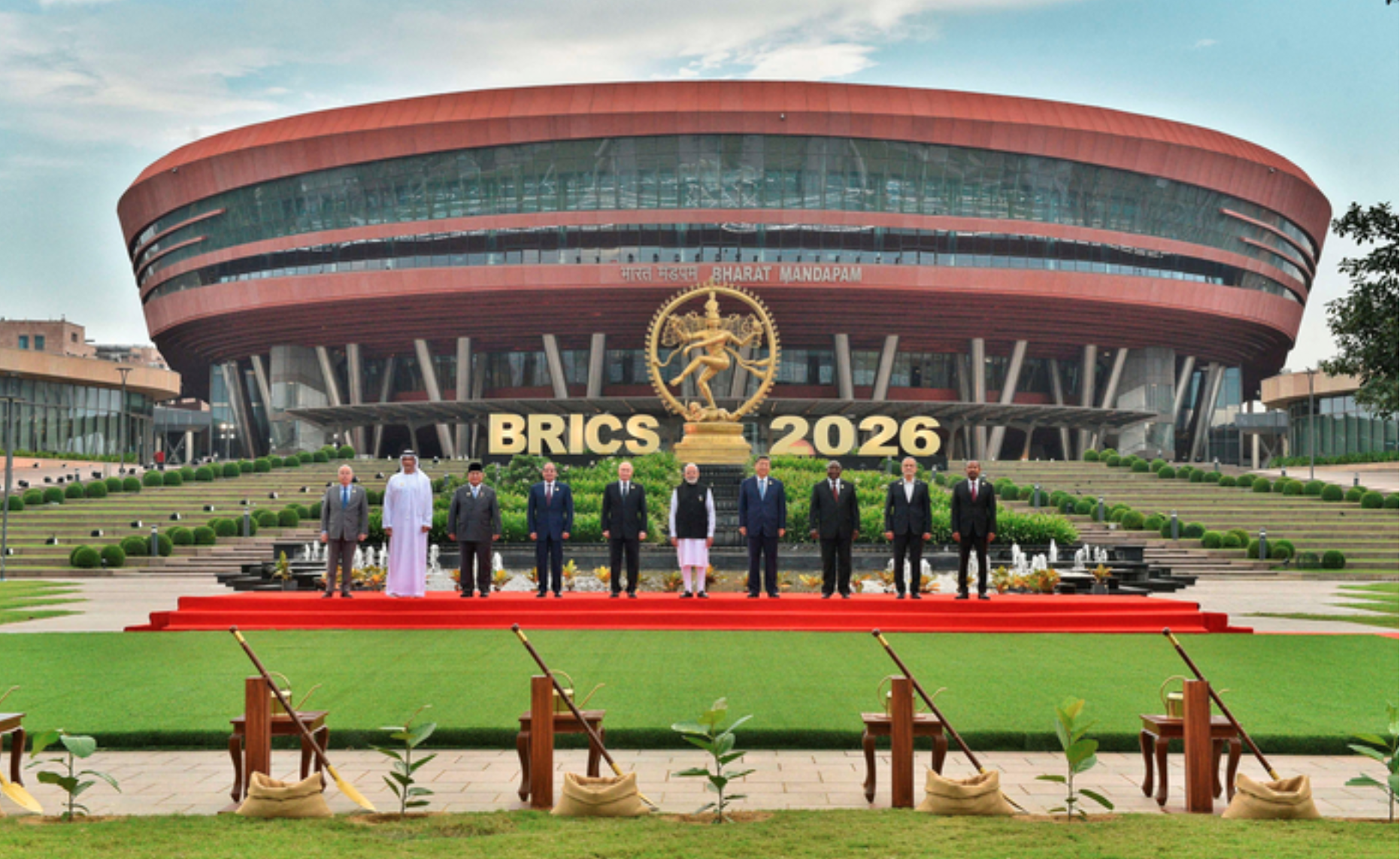
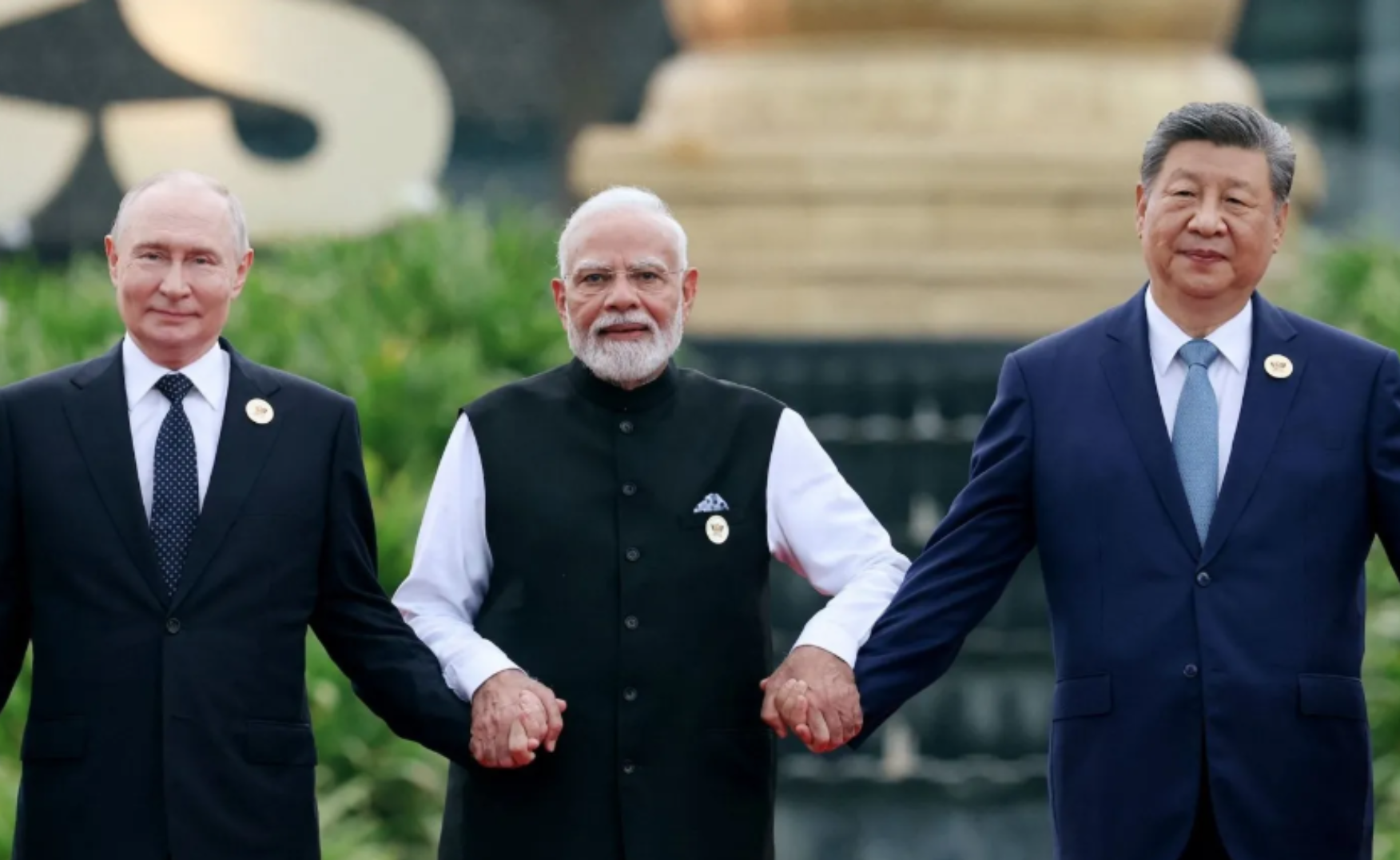
The recent BRICS Summit in New Delhi was declared a success. Its 140-paragraph New Delhi Declaration is the longest yet. With members divided over the Russia-Ukraine and West Asia wars, leaders avoided naming countries or taking positions, focusing on issues affecting the Global South and deepening intra-BRICS cooperation. India steered the grouping towards practical cooperation. The question now is: how will BRICS implement the decisions taken?

South China Morning Post Courtesy: South China Morning Post
17 September 2026

Modi-Xi: Balancing, Not Reset

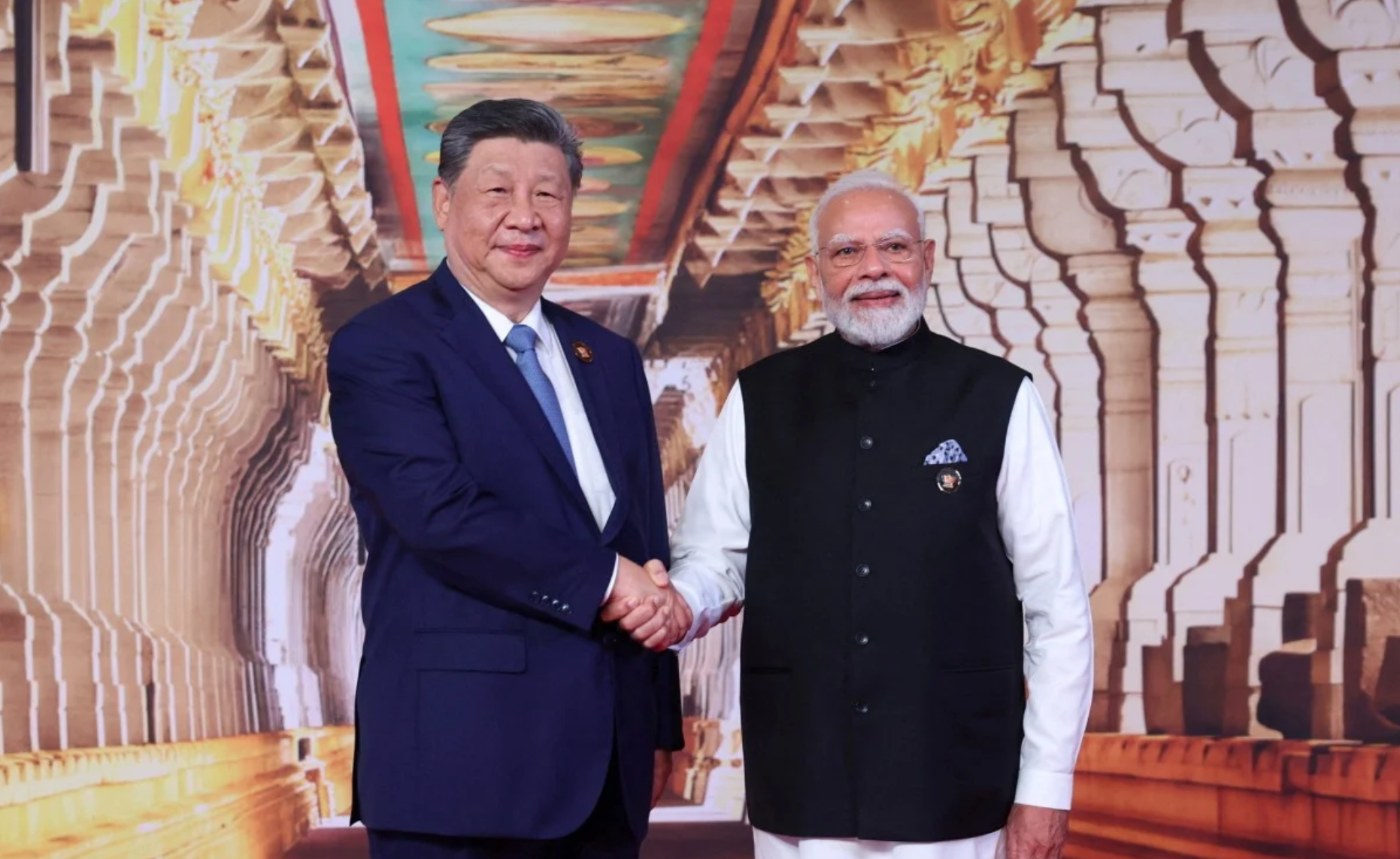
In less than 60 days, India and China held four major bilateral dialogues, all targeted at finding a solution to the boundary issue whilst maintaining peace on the border. In August, they held diplomatic level talks, followed by discussions between the Special Representatives, culminating in a first-of-its-kind Corps Commander-level flag meeting in early September. Finally came the bilateral meeting between PM Narendra Modi and Chinese President Xi Jinping.

Global Times Courtesy: Global Times
17 September 2026

Russia-China trade ties grow amid sanctions

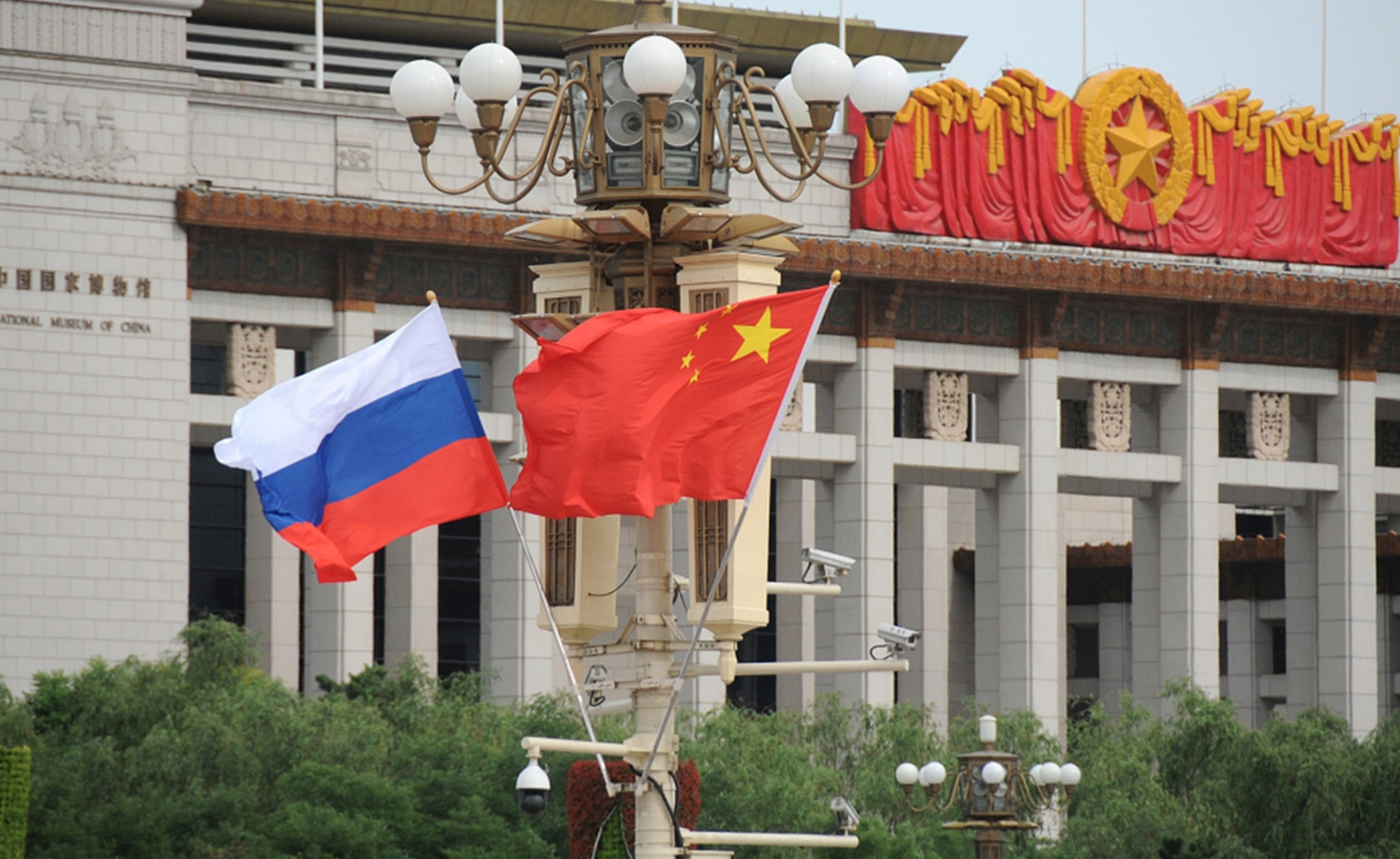
Russia marked 22 per cent growth in trade with China in the first half of 2026, putting it on track for a record-breaking year. Three decades of growth have made China indispensable to Moscow, while sanctions-evasion networks have eased Russia’s isolation and increased dependence on Beijing. Wary of over-reliance, Russia has pivoted towards India and Africa since 2022, but these ties are unlikely to replace China.

Xinhua via AP Courtesy: Xinhua via AP
9 September 2026

The Russia-China bilateral deepens

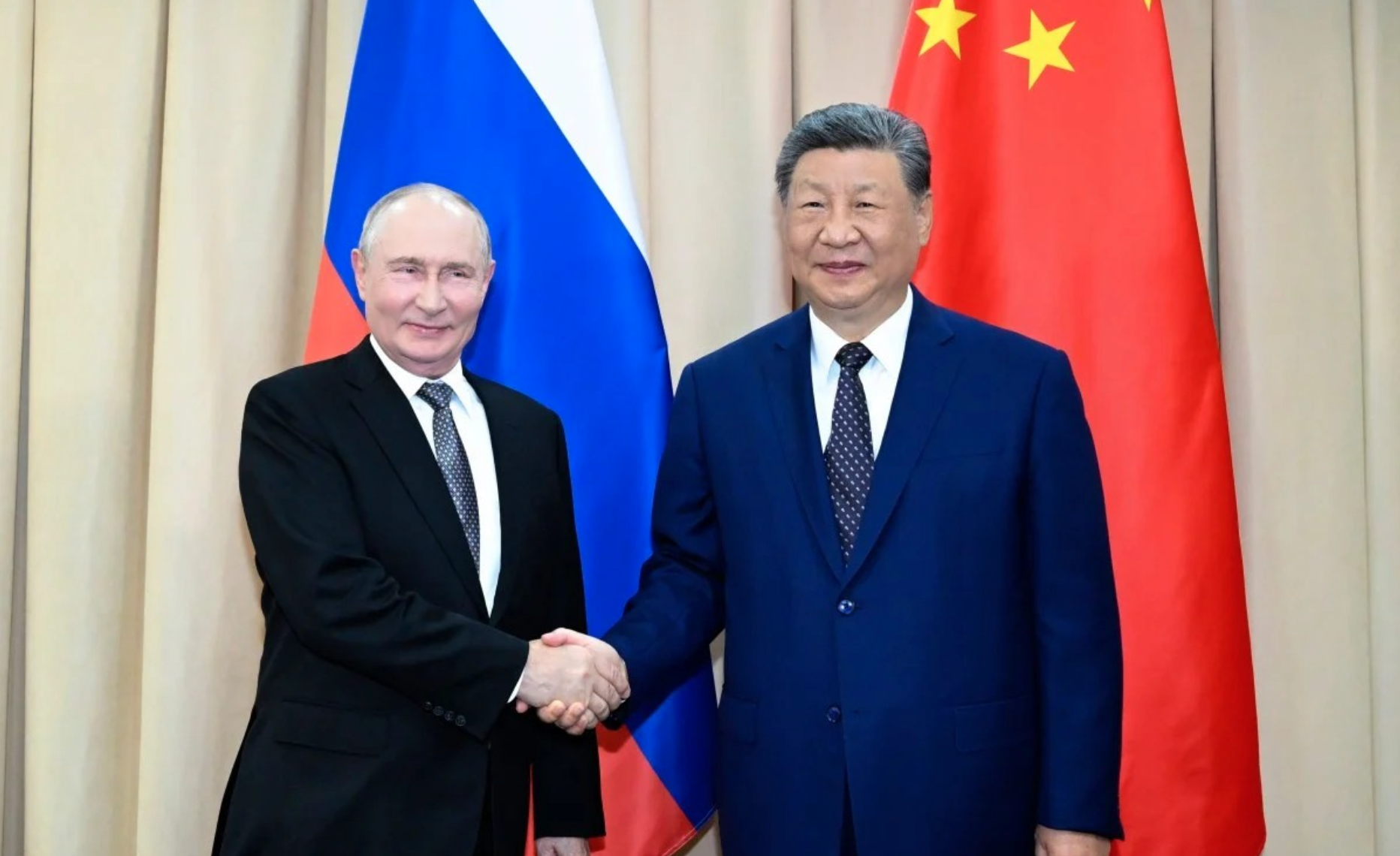
Russia-China ties have come a long way from the tensions of the Cold War. Since Russia’s relationship with the West began deteriorating in 2008, China has emerged as a counterweight, with growing economic and cultural ties. In 2026, 83% of Russians viewed China favourably, while bilateral trade grew 22%. This relationship seems rock-solid, and even a thaw with the West is unlikely to alter its course.

Indian Navy Website Courtesy: Indian Navy Website
3 September 2026

Modernising the India-Sri Lanka FTA

The India–Sri Lanka Free Trade Agreement (ISFTA), implemented in 2000, has significantly expanded India–Sri Lanka trade, investment and tourism. But it now needs to be deepened beyond goods to make the most of the modern, supply-chain-driven global economy. Any ISFTA 2.0 should update rules of origin, liberalise services, digitise customs, strengthen investment protections and deepen connectivity to help Sri Lanka integrate into India-centred supply chains.