Website articles  (85) Courtesy: FB / @The Statesman
30 April 2026

Legacy and new issues with India-Sri Lanka

India’s Vice President C. Radhakrishnan visited Sri Lanka from April 19-20, reaffirming Colombo’s importance in India’s Neighbourhood First Policy and MAHASAGAR vision. While ties remain stable, legacy issues persist: Tamil demands for devolution, illegal fishing disputes, and the stalled Economic and Technology Cooperation Agreement. The hope is for these to be resolved within Sri Lanka; till then, the unresolved challenges will continue to test the depth and durability of the bilateral.


Website articles  (84) Courtesy: Reuters
23 April 2026

India’s Neighbourhood First policy needs a reboot

Outcomes of the Neighbourhood First policy (NFP) are often mixed, shaped by actions on both sides. Recent engagements with Bangladesh, Myanmar, Sri Lanka, and Nepal suggest an opportune moment to recalibrate NFP, enhance its effectiveness, and bridge perceptions of India as an “elder brother” rather than a “big brother.”

Amb Gurjit Singh Courtesy: ANI
17 August 2022

75 years of development cooperation

Since 1947, India has had a proud record of development cooperation. It began even though it was newly independent and itself developing, but created a camaraderie with movements in other emerging countries. Now after 75 years, its time to move toward an FDI-led model, which will particularly help reduce the rising indebtedness in the developing world.

Crunch-Time Courtesy: Rupa Publications
30 May 2022

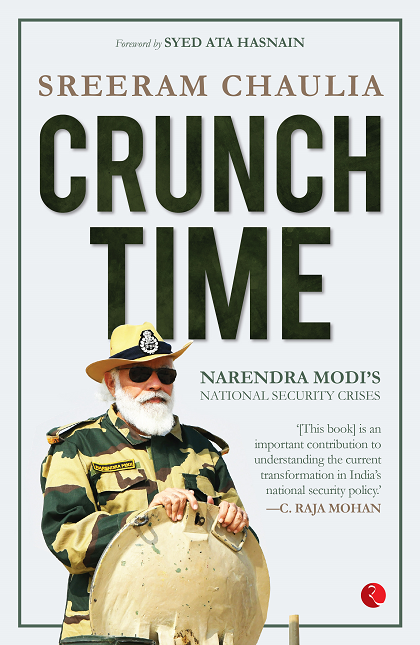
Crunch Time: Narendra Modi’s National Security Crises

Narendra Modi has completed eight years as the Prime Minister of India. His tenure has seen a strengthened and transformed Indian foreign policy. In his book, Crunch Time: Narendra Modi’s National Security Crises, author Sreeram Chaulia studies India’s national security crises under Modi, and his handling of it. His main argument that Modi was more decisive than his predecessors in dealing with China and Pakistan, holds.

bimstec 2 Courtesy: Twitter- BIMSTEC
19 May 2022

Incorporating the Blue Economy into BIMSTEC

The BIMSTEC charter has laid the foundations for a prosperous, peaceful, and sustainable Bay of Bengal region, a goal that can be achieved by greater integration and deeper collaboration. While ensuring continuity with past efforts and strengthening economic cooperation is necessary, it must also realise its potential in newer areas such as the blue economy, which has three interlinked pillars— connectivity, prosperity, and regional stability.

2-8-18 CableMap-02 - Copy Courtesy: Gateway House
2 August 2018

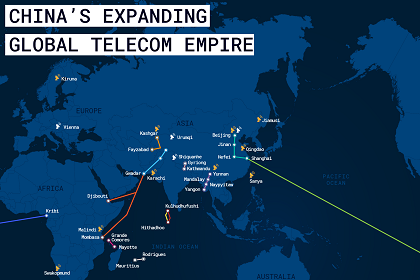
Version 2: Mapping China’s global telecom empire

This version of the Gateway House Map on China’s Expanding Global Telecom Empire identifies some more telecommunication assets -- optic-fibre and satellite ground stations -- that Beijing is working on in South and Central America, Africa, Myanmar, the Indian Ocean Region and mainland China besides the existing ones, such as the Pakistan East Africa Cable Express (PEACE). It shows the direction China’s investment is taking, its diplomatic overtures and the larger geopolitical implications of its growing telecom empire

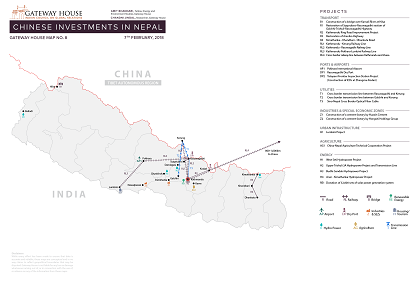
Gateway House's research on Chinese investments in India's Neighbourhood. Researched by Amit Bhandari and Chandni Jindal. Courtesy: Gateway House
12 March 2018

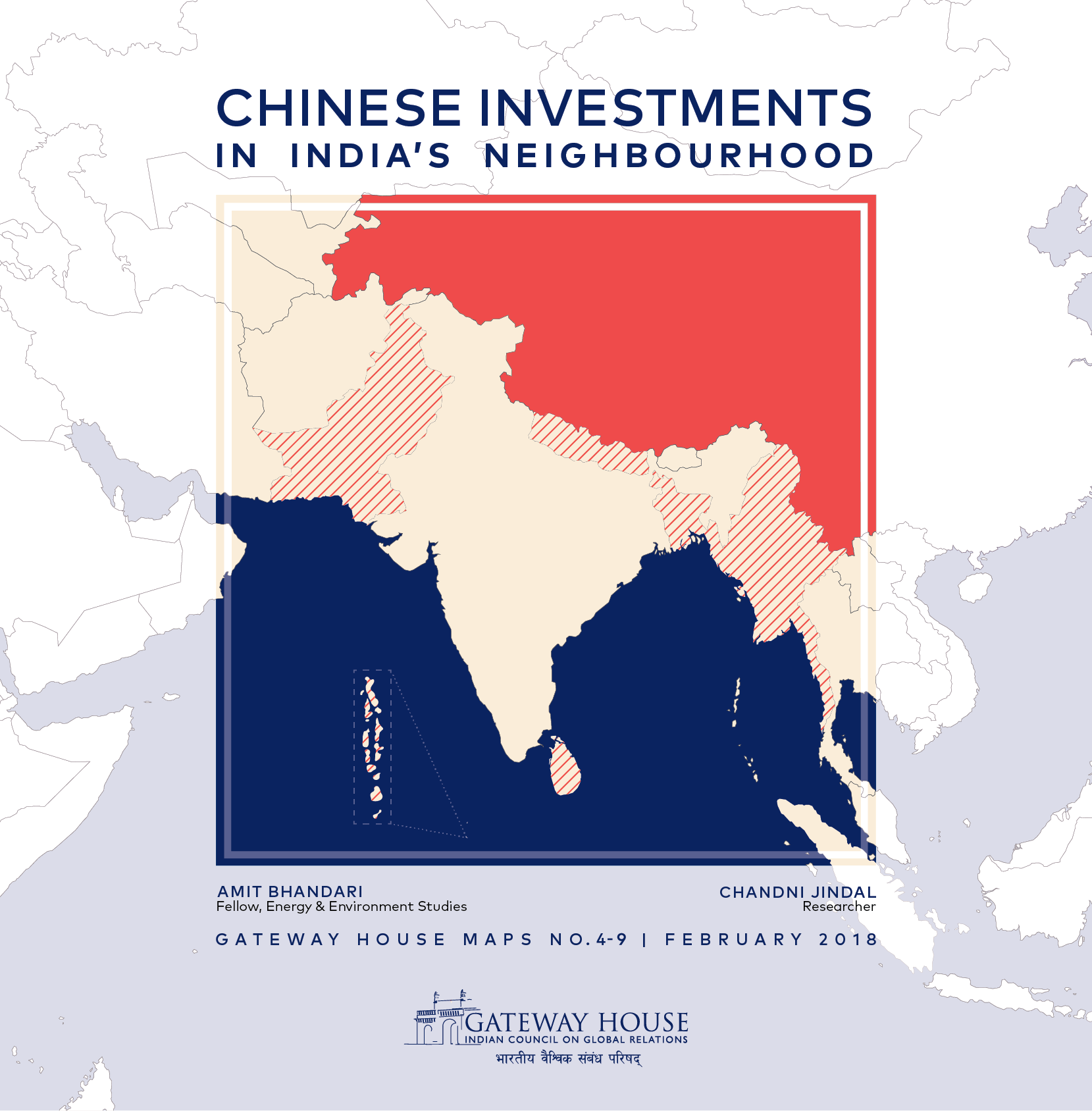
Chinese Investments in India’s Neighbourhood

India and the world have watched China’s growing investment in Asia and beyond with a mix of awe and apprehension. The unprecedented scale of these investments are reshaping political arrangements around South Asia.

Picture1 Courtesy: Wikipedia/ Gateway House
30 March 2017

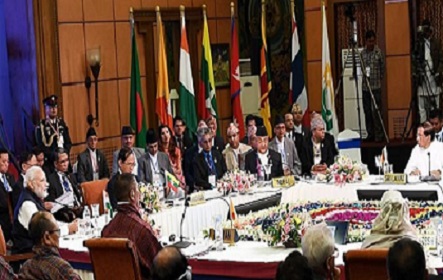
Nepal: new geostrategic hotspot

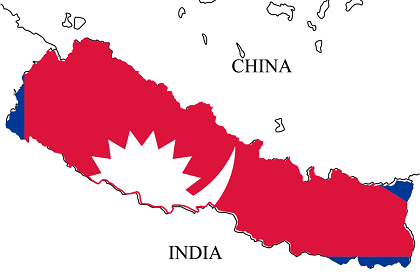
Nepal, currently one of the 21st century’s important locations in Asia, has to safeguard itself by its own initiative, not rely on guarantees from external actors. The authors, one of whom is a former minister of the country, suggest that a changed world order calls for more modern security forces and an independent defense policy