AI generated Economic Times Courtesy: The Economic Times
2 September 2026

China and Economic D-Day vs. Iran

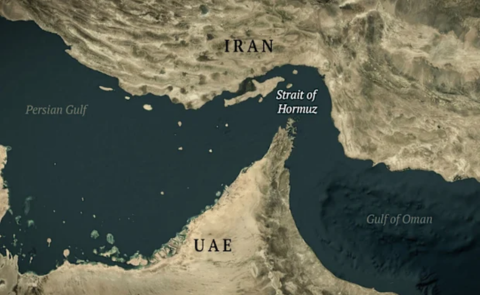
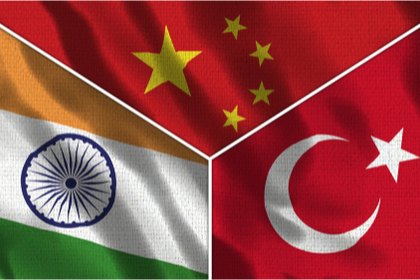
“Economic D-Day”, recently announced by the U.S. Trump administration, will put additional sanctions on any party which facilitates any activity with Iran. India, Iraq, Turkey, and the UAE could be affected. But ironically China, the biggest supporter of Iran’s regime, may be off the hook given the deep mutual over-reliance with the U.S. and the risk that further sanctions on China could put the global financial system in jeopardy.

Office of the Pakistani Prime Minister_AFP Courtesy: AFP
27 August 2026

Mecca Accord and India’s energy security

The Mecca Accord between Saudi Arabia, Turkiye and Pakistan has raised some red flags in the region, and in India. One element remains unchanged: India’s value to Riyadh as an energy importer. With demand security holding more weight than supply security in an uncertain future, a major and growing oil importer like India is more important than the cash-for-security arrangement the Kingdom has signed with Pakistan.

oil Courtesy: KNN
28 May 2026

India’s Opportunity in the New Oil Order

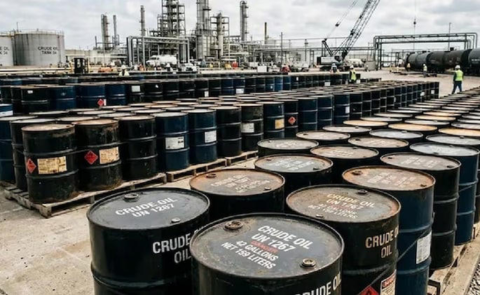
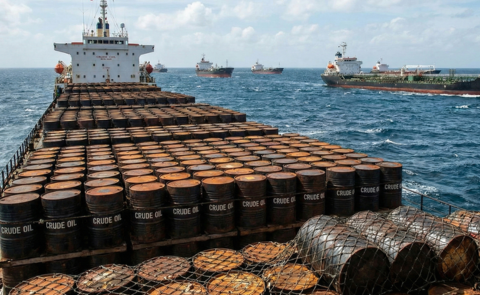
The UAE’s recent exit from OPEC, and the U.S. push to sell more oil to India are markers of a new order in the oil world with demand security at a premium. As a major oil importer, India must respond to it smartly. It must develop deeper partnerships with both the UAE and U.S., and a new financial ecosystem and benchmarks for the new order.

Website articles  (73) Courtesy: AFR
2 April 2026

India’s options after the Persian Gulf war

The Persian Gulf conflict has already impacted India’s oil imports and financial security. However, India has not created meaningful options to protect itself from oil shocks over the last decade – and such shocks will continue. Now is the time for India to make equity investments in oil and gas companies in stable economies like the U.S., Canada and Australia, to protect itself from future energy crises.

Website articles  (60) Courtesy: MSN
19 March 2026

Gulf War pinches South Asia

The war in the Persian Gulf has already caused significant disruption in India’s South Asian neighbours. A prolonged conflict is likely to push the region back into economic and political crises from which it had been hopeful of emerging this year.

G20 Rome summit, marching ahead Courtesy: G20
4 November 2021

G20 Rome summit, marching ahead

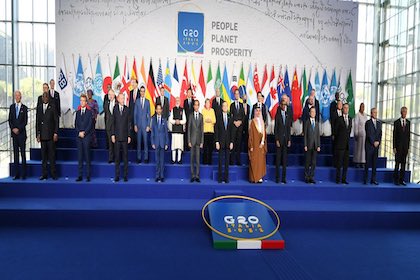
The Oct 30-31 G20 Leaders’ Summit in Rome took several important steps to accelerate economic recovery and health security. In the absence of several Eurasian leaders, India played a significant role especially on climate and energy. The G20 will now acquire greater salience in India's foreign policy, as it readies to lead the grouping in 2023.

00_fa_mj2020_cover Courtesy: Foreign Affairs
27 April 2020

China’s Coming Upheaval

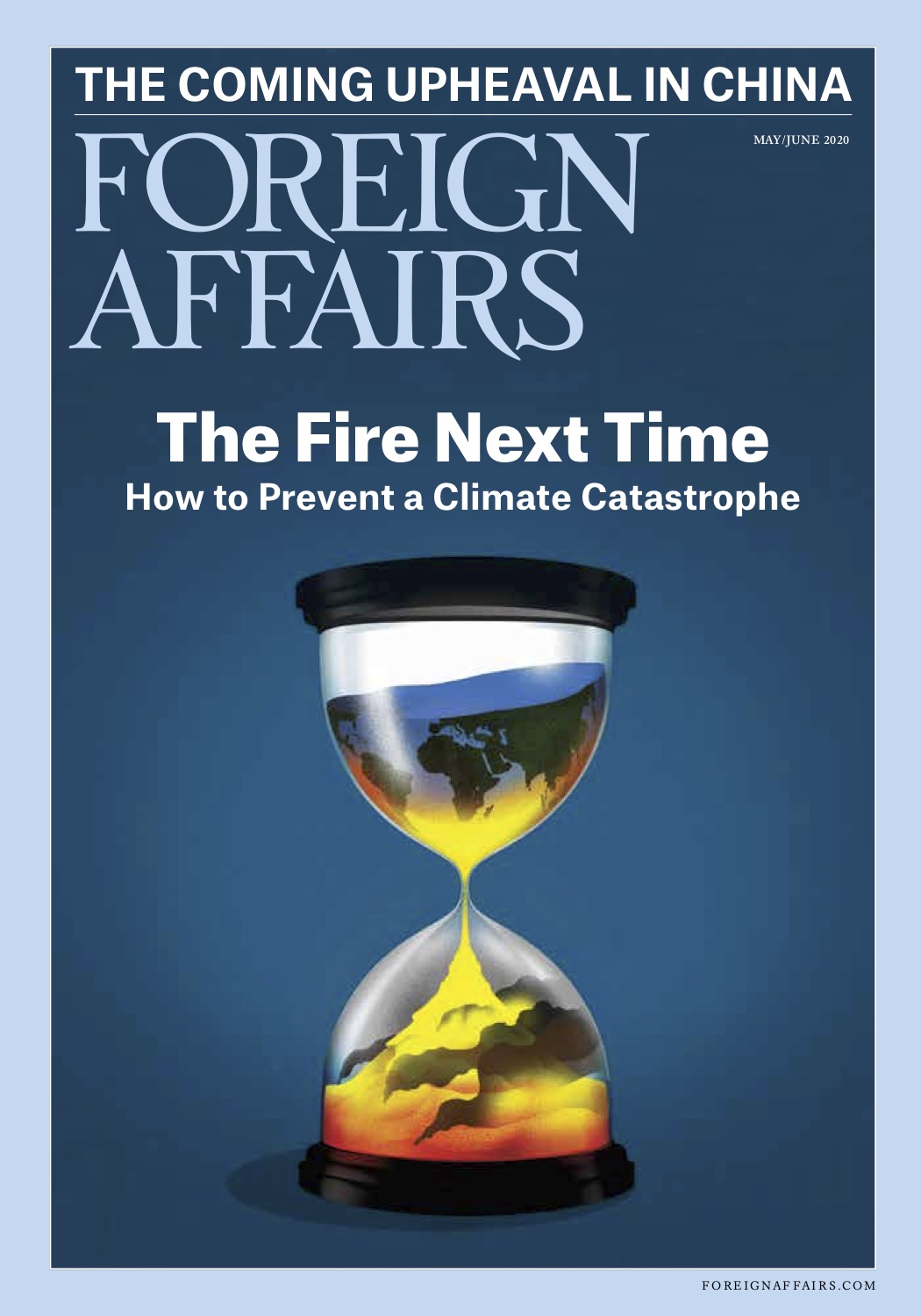
The U.S.-China relationship, which has wavered between cooperation and competition, has, over the past few years, veered more sharply towards confrontation – possibly because of China’s own more assertive stance. Now, Beijing’s confidence is under test, not only by these fractious relations, but also COVID-19 and an economic slowdown. Will these factors reveal its weaknesses?

shutterstock_1330442825 Courtesy: Shutterstock
15 August 2019

Sequencing Governance and Economic Growth

The Narendra Modi government came to power in India in 2014, promising "minimum government, maximum governance". Its roll-out of numerous government schemes meant that democracy and governance came before economic growth. But it returned Modi to power.Analysing the current debate on growth and governance the author explores how the sequencing of governance and economic outcomes is different in China, Turkey and India

GH_Demonetisation_Web-724x1024 Courtesy: Gateway House
24 November 2016

Demonetisation around the world

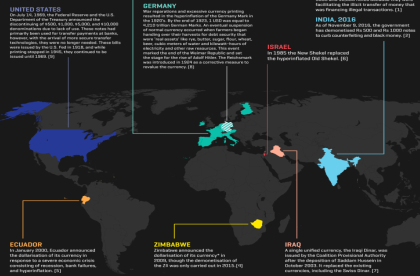
Prime Minister Narendra Modi's announcement on November 8 to demonetise notes of the denomination of Rs 500 and Rs 1000 has a precedent. This infographic traces some interesting demonetisation initiatives around the world. From discontinuation of high denomination notes due to lack of circulation, to the use of beer and water as 'real assets' in place of hyper-inflated currency.