Gateway House Courtesy: Gateway House
3 July 2025

China Plus One and global supply chains

A slowdown of the Chinese economy, and the shift, particularly by MNCs, from China to other more competitive locations has opened up business opportunities for latecomers to supply chains in the developing world. Evidence suggests that Southeast Asia and some South Asian countries like India, Sri Lanka, Bangladesh, could be beneficiaries of the supply chain shift, particularly in labour-intensive segments.

New Spotlight Magazine Courtesy: New Spotlight Magazine
19 June 2025

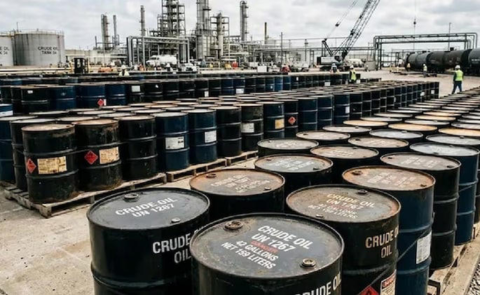
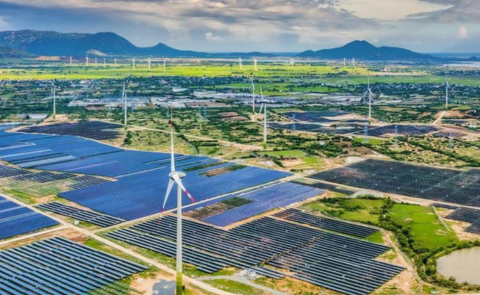
A case for South Asia energy connectivity

Building a robust engagement with India on energy can help offset some of the economic and political crises that most of India’s neighbours are facing. Smaller South Asian neighbours will benefit from cheaper electricity and oil, paving the way for greater regional economic cooperation.

Getty (1) Courtesy: Gateway House
15 May 2025

The New Geopolitics and South Asia’s Trade Architecture – What Next?

Geopolitics is increasingly intertwined with the economic destiny of South Asia. Even before the U.S. tariffs were rolled out, growing polycrises had hit the global economy, which has been struggling since the pandemic. South Asia seems a relatively bright spark of regional trade and growth. This paper analyses South Asia’s trade architecture in the backdrop of a sluggish world economy in the 2020s, and makes recommendations for closer regional economic integration.

1729876260-prez-rice Courtesy: Ada Derana
19 December 2024

Dissanayake’s rice test

Sri Lanka’s new President Dissanayake is facing his first big test – rising rice prices. High import tariffs and a powerful rice mafia given to hoarding of the staple, are compounded by other market distortions. Can he balance urban consumer demands with rural farmer interests? Either way, his options are limited.

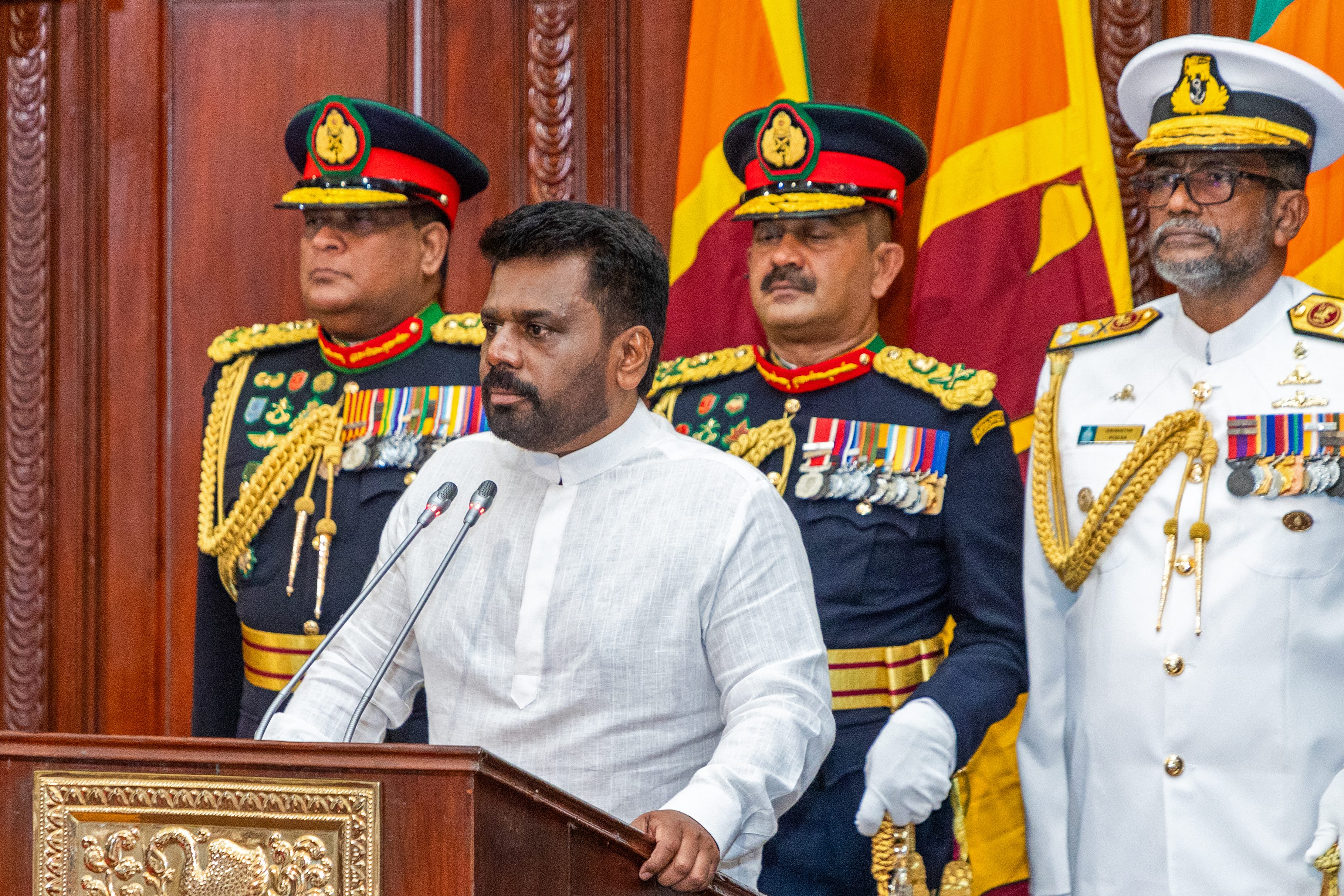
This handout photograph taken and released by the Sri Lanka President's Office on September 23, 2024 shows Sri Lanka's new President Anura Kumara Dissanayaka attending his swearing-in ceremony, in Colombo. - Sri Lanka's first leftist president was sworn in to office on September 23 vowing to restore public faith in politics but said he had no magic solution to the hardships suffered following an unprecedented economic crisis. (Photo by Sri Lanka President's Office / AFP) / RESTRICTED TO EDITORIAL USE - MANDATORY CREDIT "AFP PHOTO/SRI LANKA PRESIDENT'S OFFICE" - NO MARKETING NO ADVERTISING CAMPAIGNS - DISTRIBUTED AS A SERVICE TO CLIENTS Courtesy:
3 October 2024

Sri Lanka’s new positioning

The new Sri Lankan government led by President Anura Kumar Dissanayake held its first meeting with the International Monetary Fund on October 3, to discuss further debt relief. Dissanayake, who overcame voter apprehension in the country’s presidential elections held two weeks ago, now has a historic opportunity to bring Sri Lanka out of the crisis and enable a compassionate and efficient transformation.

skynews-colombo-sri-lanka-port_5811767 Courtesy: Reuters
1 February 2024

Pulling Sri Lanka out of the abyss

Sri Lanka has demonstrated signs of recovery following the stabilising policies implemented by the Wickremesinghe government. However, the road ahead for economic recovery is long, with risks associated with the upcoming Presidential elections, geopolitical tensions and debt restructuring.

Screenshot 2023-12-21 at 10.24.21 AM Courtesy: Le Monde
21 December 2023

Political risks to Sri Lanka’s economic stability

A stabilising economy in Sri Lanka has eased inflationary pressures and foreign exchange liquidity crises in the past year. As economic recovery steps up, Sri Lanka has also sought free trade agreement-led Asian regionalism. However, with presidential and parliamentary elections scheduled for 2024 and an opposition that wants to renegotiate the IMF agreement, A lasting economic recovery may be derailed by political risks.

asiapng Courtesy: Verité Research
19 October 2023

Lessons from Sri Lanka’s Debt Default

The Sri Lankan economic crisis was the result of years of weak fiscal performance and lack of consistent development strategies. While economic recovery has picked up pace, addressing macroeconomics issues and implementing structural reforms to promote inclusive and sustainable growth is the key to its success

RW Courtesy: zeenews
21 July 2022

The reforms Sri Lanka needs

Sri Lanka's crippled economy requires immediate and robust reforms. India faced similar adversity when PV Narasimha Rao pulled the country out of the economic crisis in 1991. Will new president Ranil Wickremesinghe follow the example of India's 1991 reforms to save his country and economy?

FILE PHOTO: A worker walks past the logo of Reserve Bank of India (RBI) inside its office in New Delhi, India July 8, 2019. REUTERS/Anushree Fadnavis Courtesy: Reuters
14 July 2022

The rupee as regional currency

The Reserve Bank’s move to enable international trade in INR is a step towards regaining Indian primacy in the Indian Ocean region that the Indian Rupee once enjoyed. It is also an essential financial dimension that will add heft to India’s strategic SAGAR policy.