Website articles  (73) Courtesy: AFR
2 April 2026

India’s options after the Persian Gulf war

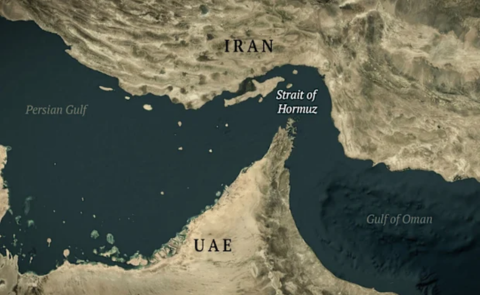
The Persian Gulf conflict has already impacted India’s oil imports and financial security. However, India has not created meaningful options to protect itself from oil shocks over the last decade – and such shocks will continue. Now is the time for India to make equity investments in oil and gas companies in stable economies like the U.S., Canada and Australia, to protect itself from future energy crises.
Website articles  (60) Courtesy: MSN
19 March 2026

Gulf War pinches South Asia

The war in the Persian Gulf has already caused significant disruption in India’s South Asian neighbours. A prolonged conflict is likely to push the region back into economic and political crises from which it had been hopeful of emerging this year.

Gateway House (2) Courtesy: Gateway House
24 December 2025

Bangladesh economy spirals downwards

Bangladesh’s economy, already weak at the time of the August 2024 coup, has been on a downward spiral since. Banks are insolvent and cannot lend, business confidence is low, and investors are staying out. These issues will worsen the ongoing radicalisation, extremism and violence in the country. 

Gateway House Courtesy: Gateway House
3 July 2025

China Plus One and global supply chains

A slowdown of the Chinese economy, and the shift, particularly by MNCs, from China to other more competitive locations has opened up business opportunities for latecomers to supply chains in the developing world. Evidence suggests that Southeast Asia and some South Asian countries like India, Sri Lanka, Bangladesh, could be beneficiaries of the supply chain shift, particularly in labour-intensive segments.

New Spotlight Magazine Courtesy: New Spotlight Magazine
19 June 2025

A case for South Asia energy connectivity

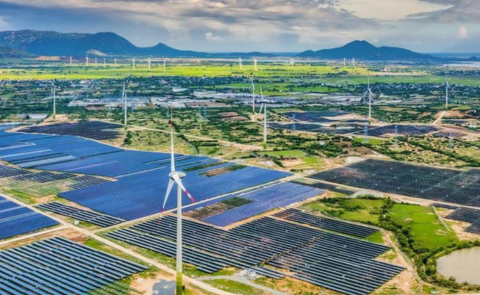
Building a robust engagement with India on energy can help offset some of the economic and political crises that most of India’s neighbours are facing. Smaller South Asian neighbours will benefit from cheaper electricity and oil, paving the way for greater regional economic cooperation.

Getty (1) Courtesy: Gateway House
15 May 2025

The New Geopolitics and South Asia’s Trade Architecture – What Next?

Geopolitics is increasingly intertwined with the economic destiny of South Asia. Even before the U.S. tariffs were rolled out, growing polycrises had hit the global economy, which has been struggling since the pandemic. South Asia seems a relatively bright spark of regional trade and growth. This paper analyses South Asia’s trade architecture in the backdrop of a sluggish world economy in the 2020s, and makes recommendations for closer regional economic integration.

Modi Hasina Image Courtesy: PTI
15 September 2022

India-Bangladesh is a model bilateral

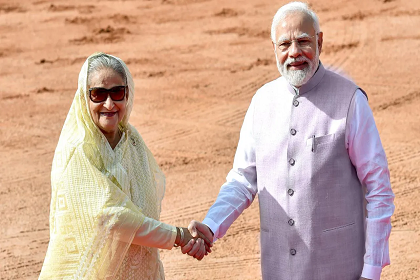
Delhi and Dhaka are fully conscious that they must get this vital equation right, constantly strengthening and deepening their cooperation and countering the challenges they face. In this, the contributions of the Sheikh Hasina government in nurturing the special ‘bonding’ is enormous and widely appreciated.

IMG-1700 Courtesy: @BIMSTECInDhaka
8 June 2022

BIMSTEC@25

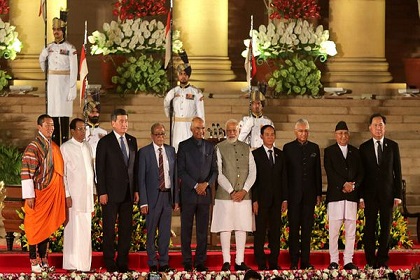
June 6, 2022, marks 25 years since India, Bangladesh, Sri Lanka, Bhutan, Nepal, Myanmar and Thailand joined hands to create BIMSTEC and infuse South Asia with economic and institutional cooperation. The strategic geography of this grouping has the potential to bring new synergy between South Asia and the recently-instituted Indo Pacific Economic Framework, ASEAN and the Quad, for a prosperous, secure Bay of Bengal Community.

bimstec 2 Courtesy: Twitter- BIMSTEC
19 May 2022

Incorporating the Blue Economy into BIMSTEC

The BIMSTEC charter has laid the foundations for a prosperous, peaceful, and sustainable Bay of Bengal region, a goal that can be achieved by greater integration and deeper collaboration. While ensuring continuity with past efforts and strengthening economic cooperation is necessary, it must also realise its potential in newer areas such as the blue economy, which has three interlinked pillars— connectivity, prosperity, and regional stability.