Schell Piece Courtesy: Gateway House
16 November 2026

After U.S. Midterms: Domestic Sound and Fury

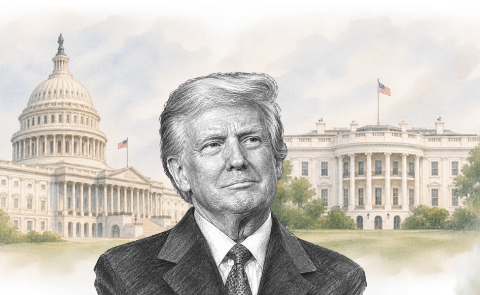
The result of the November 3 U.S. midterm election was no ordinary one. It was a Democratic landslide with implications for governance and the direction of the country for years to come. The results mark a striking rejection of President Donald Trump, his policies, and the country’s current vector. However, on foreign policy the White House will continue to dominate and will not hesitate to pursue confrontation.
Mongla port Courtesy: BSS News
15 October 2026

The three ports of Bangladesh

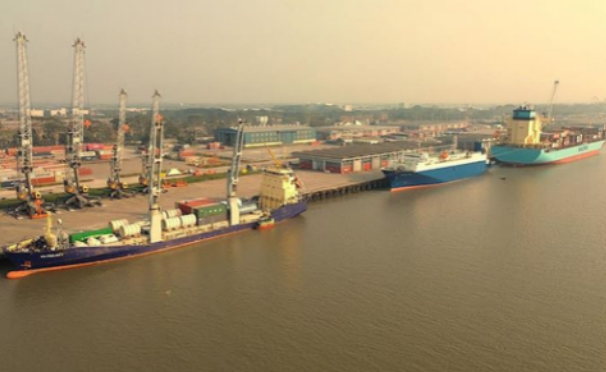
Beijing has agreed to fund a port in Bangladesh, the third port funded by foreign governments. This shouldn’t be a concern for India, because unlike Pakistan and Sri Lanka, it has a diversified lender base. Japan and Russia are the large infrastructure funders, with China in the third place, while the U.S. and the EU are key export markets. India lags as an investor.

Screenshot 2026-10-01 at 12.48.23 PM Courtesy: Gateway House
1 October 2026

New life for IMEC

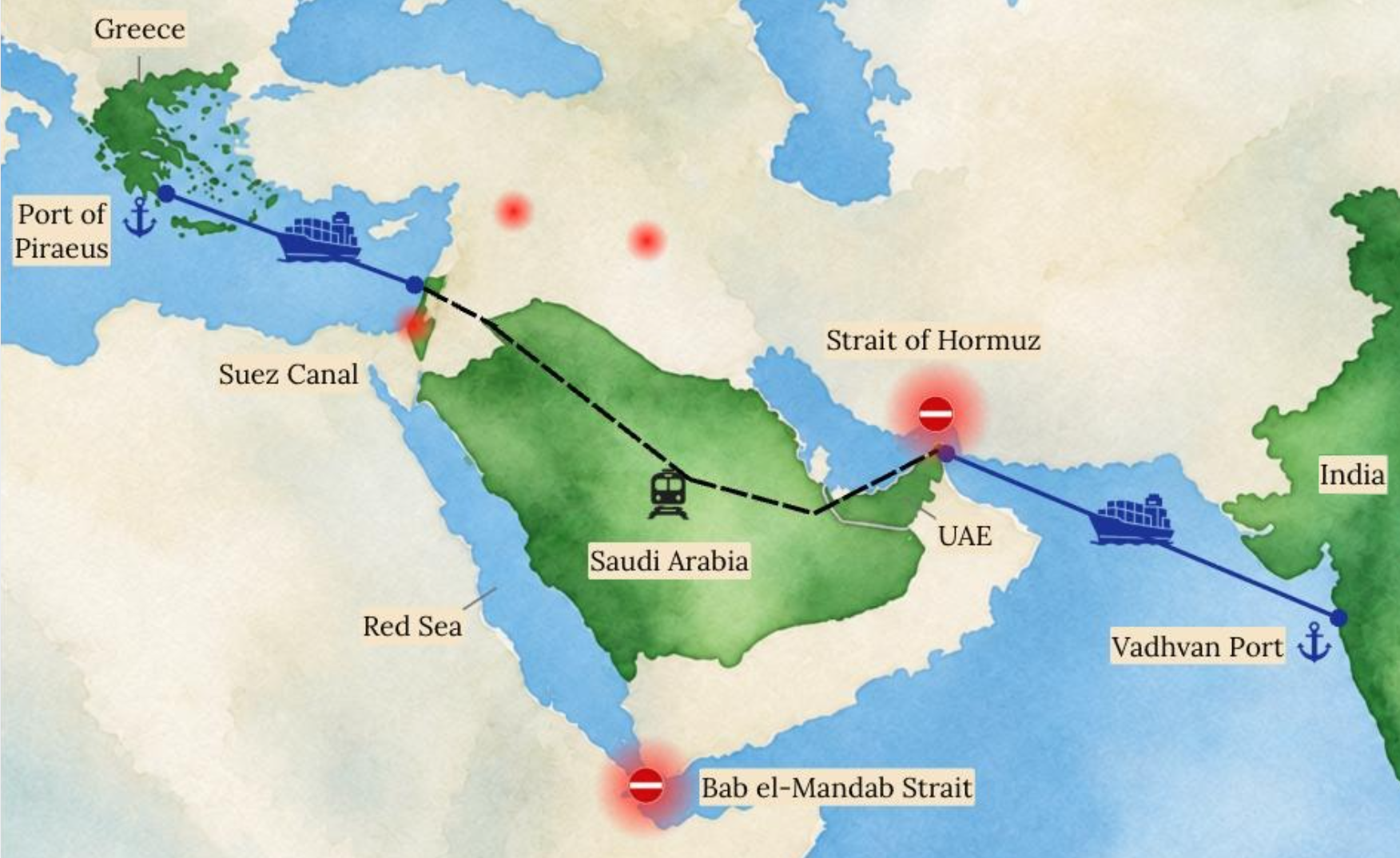
The India-Middle East-Europe Economic Corridor, currently stalled due to conflicts in the Gulf, may be an answer to the disrupted energy flows from the Persian Gulf. The proposed route, which connects the interior of Saudi Arabia to the Arabian Sea on one side and the Mediterranean Sea on the other, has immense value as a conduit for West Asian oil, as well as global data flows.

Mecca Accord Courtesy: Gateway House
23 September 2026

Essay: Mecca Accord re-engineers regional security?

The sustainability of the Mecca Accord is determined by its response to three geopolitical challenges represented by India, Iran, and Israel. The India test centres on preventing the export of South Asian conflicts to the Gulf, the Iranian test rests on institutionalising sustainable deterrence beyond formulas of perpetual clash, and the Israeli axis tests the mechanisms for reshaping Saudi ties with American security and the future of regional normalisation.

Office of the Pakistani Prime Minister_AFP Courtesy: AFP
27 August 2026

Mecca Accord and India’s energy security

The Mecca Accord between Saudi Arabia, Turkiye and Pakistan has raised some red flags in the region, and in India. One element remains unchanged: India’s value to Riyadh as an energy importer. With demand security holding more weight than supply security in an uncertain future, a major and growing oil importer like India is more important than the cash-for-security arrangement the Kingdom has signed with Pakistan.

sabrang india (1) Courtesy: Council on Foreign Relations
23 July 2026

India should re-examine its energy investment

The absence of panic in the energy markets despite the renewed U.S.-Iran fighting indicates a well-supplied oil market in the longer term. That means stability for energy short countries like India in the long term. In the short term, however, India will be impacted by other disruptions, such as the increased use of sanctions.

Kenny Holston  AP (3) Courtesy: Business Post
11 June 2026

AI and its spin-off gains

The AI industry in the U.S. is on a high, with three major upcoming public offerings on the table from Anthropic, Open AI and Space X hogging the attention and news. But users are increasingly concerned about costs, and developers are rushing to raise capital. When the effervescence abates, a reduced appetite for AI stocks may eventually see investors return to emerging markets. Can India benefit?

Gateway House Courtesy: Gateway House
4 June 2026

A BRICS Energy Stability Framework

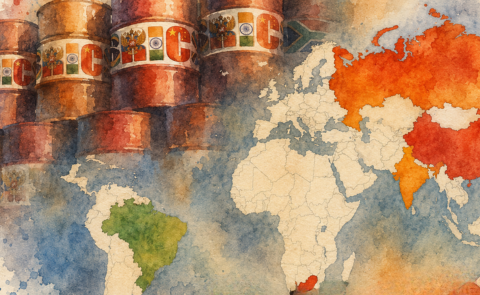
The 2026 Persian Gulf conflict has pushed energy security to the forefront of the BRICS agenda. Divergent national interests prevent the grouping from acting as a unified geopolitical bloc, the growing energy crisis highlights the need for stronger economic cooperation. Proposals such as a BRICS energy reserve, an Energy Stability Fund, and cross-border investments could enhance resilience and be essential if BRICS wants to emerge as a serious economic grouping.

oil Courtesy: KNN
28 May 2026

India’s Opportunity in the New Oil Order

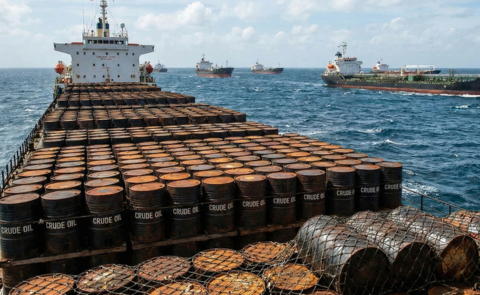
The UAE’s recent exit from OPEC, and the U.S. push to sell more oil to India are markers of a new order in the oil world with demand security at a premium. As a major oil importer, India must respond to it smartly. It must develop deeper partnerships with both the UAE and U.S., and a new financial ecosystem and benchmarks for the new order.

Website articles  (73) Courtesy: AFR
2 April 2026

India’s options after the Persian Gulf war

The Persian Gulf conflict has already impacted India’s oil imports and financial security. However, India has not created meaningful options to protect itself from oil shocks over the last decade – and such shocks will continue. Now is the time for India to make equity investments in oil and gas companies in stable economies like the U.S., Canada and Australia, to protect itself from future energy crises.